





















OpenClaw Security Guide: Essential VPS Protection for Bot Services
By
aymanaljunaid

Right out the toaster. Reliable, with some real depth.
Summary
This comprehensive security guide provides practical steps for securing OpenClaw bot services running on VPS servers. It covers essential security measures including closing unnecessary open ports, hardening SSH access, protecting webhooks, securing databases, managing secrets properly, and implementing monitoring/logging. The guide emphasizes that most attacks are automated scans targeting common vulnerabilities rather than personal attacks, making proactive security essential for always-online services.
Key quotes
· 4 pulledThe reality is that most attacks aren't personal. The internet is full of automated scanners that continuously probe VPS IPs for open ports, weak SSH, exposed dashboards, public databases, and misconfigured webhooks.
Running OpenClaw (or any always-online bot service) on a VPS is powerful—but it also makes your server a target.
If OpenClaw is new (or quickly evolving), it's even more important to lock things down before you go live.
This guide is a complete, practical security guide for OpenClaw services running on VPS servers.
You might also wanna read


How to Deploy Self-Hosted OpenClaw AI Agent on a Debian VPS
This article provides a step-by-step guide for deploying OpenClaw, an open-source personal AI agent, on a Debian VPS server. It covers the s
 blog.radwebhosting.com·7h ago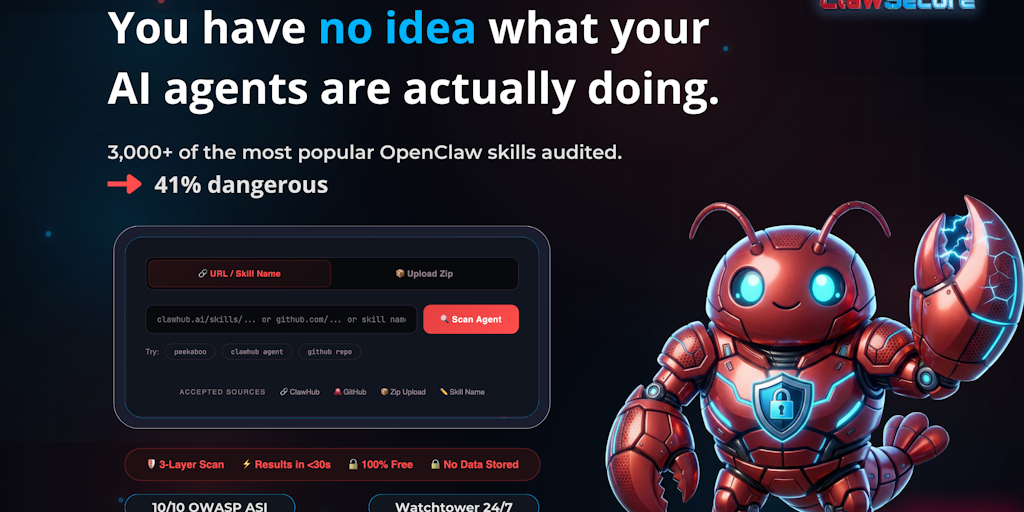
ClawSecure: Security Platform for OpenClaw AI Agents with 3-Layer Protection
ClawSecure is a security platform designed specifically for OpenClaw AI agents, offering comprehensive protection including 3-layer security
 Product Hunt·1mo ago
OpenClaw: Open-Source AI Agent Raises Security Concerns While Automating Tasks
OpenClaw is an open-source AI agent that runs locally on users' computers and performs practical tasks like managing reminders, writing emai
 The Verge·3mo ago
OpenClaw:從安全基礎到多 Agent 自動化工作流
clawbeat.co·1d ago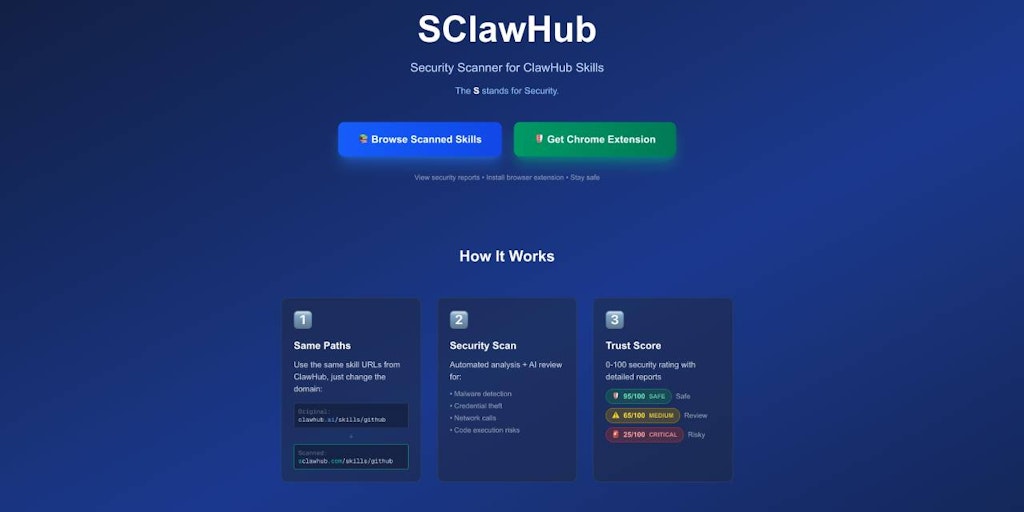
SClawHub Security Scanner for OpenClaw AI Agent Skills
SClawHub is a security scanner for OpenClaw AI agent skills that provides trust scores (0-100) to detect potential security issues before in
Product Hunt·3mo ago
Building a Vulnerable SSH Lab to Learn Real-World Attack Techniques
This article guides readers through setting up and using VulnSSH, a purposely insecure SSH environment inside a local pentest lab, to learn
 infosecwriteups.com·1d ago