





















Ongoing Efforts to Add CUDA Backend to MLX for Improved Training Speed
By
nsagent

Sesame, salt, and substance. A flagship bake.
Summary
The article discusses ongoing efforts to add a CUDA backend to MLX, with optimizations to improve training speed and challenges in saving operands and temporaries until the kernel finishes.
Key quotes
· 2 pulled"Tried the ideas: switching the implementation of Event from cuda::std::atomic to cudaEvent bumped training speed from 500 it/s to 900; reducing the prefetch calls increased it from 900 it/s to 1100."
"The next optimization is tricky: after evaluating each op, the operands and temporaries are saved until kernel finishes."
You might also wanna read


Wider Neural Networks with Fewer Parameters Improve Performance by Reducing Feature Interference
This research paper demonstrates that increasing the number of neurons in a neural network without increasing the number of non-zero paramet
 arxiv.org·34m ago
Google's Debug program seeks EPA approval to release 64 million modified mosquitoes in California and Florida
Google's Debug program plans to release up to 64 million genetically modified "good" mosquitoes in California and Florida over two years to
 bit.ly·1h ago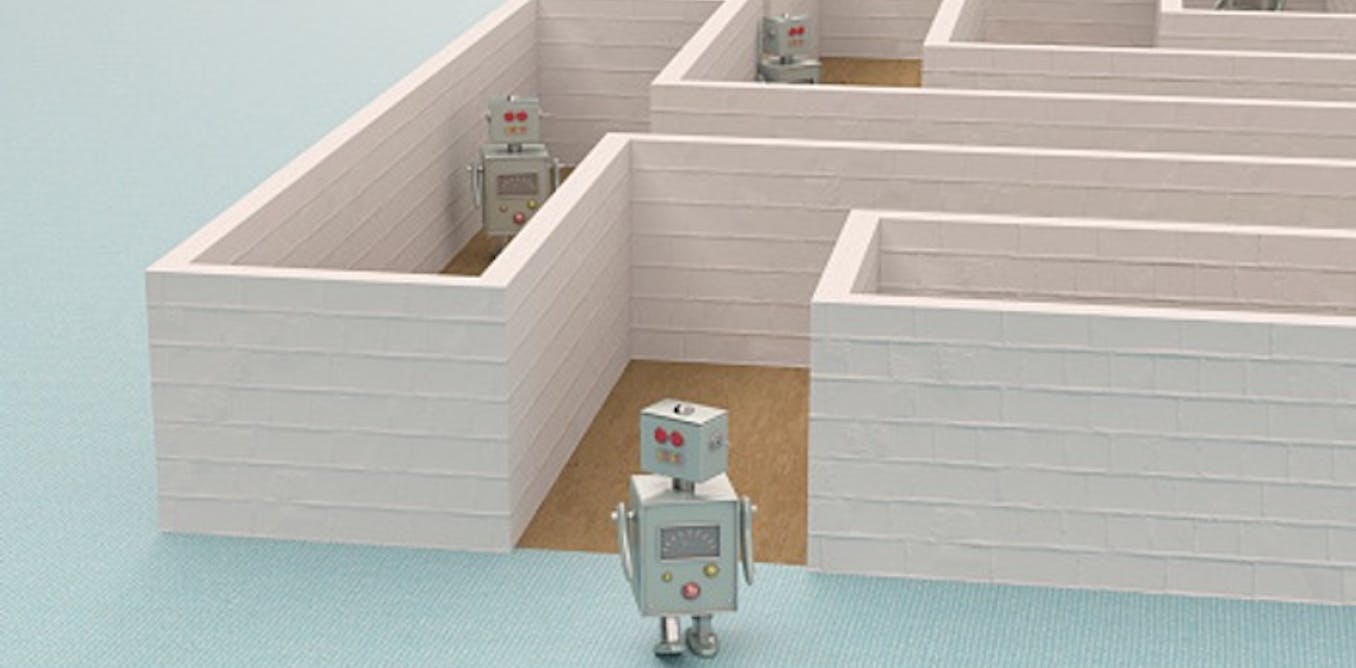
ARC Prize benchmark reveals AI systems score under 1% on spatial reasoning puzzles while humans achieve 100%
The article discusses the ARC Prize Foundation's May 2026 benchmark results showing that while humans scored 100% on a game-like AI test, th
 theconversation.com·1h ago
The dangers of anthropomorphising AI: Why we must see machines as machines
This article argues that anthropomorphising AI—projecting human thoughts, feelings, and intentions onto machines—is a natural but dangerous
 ethics.org.au·3h ago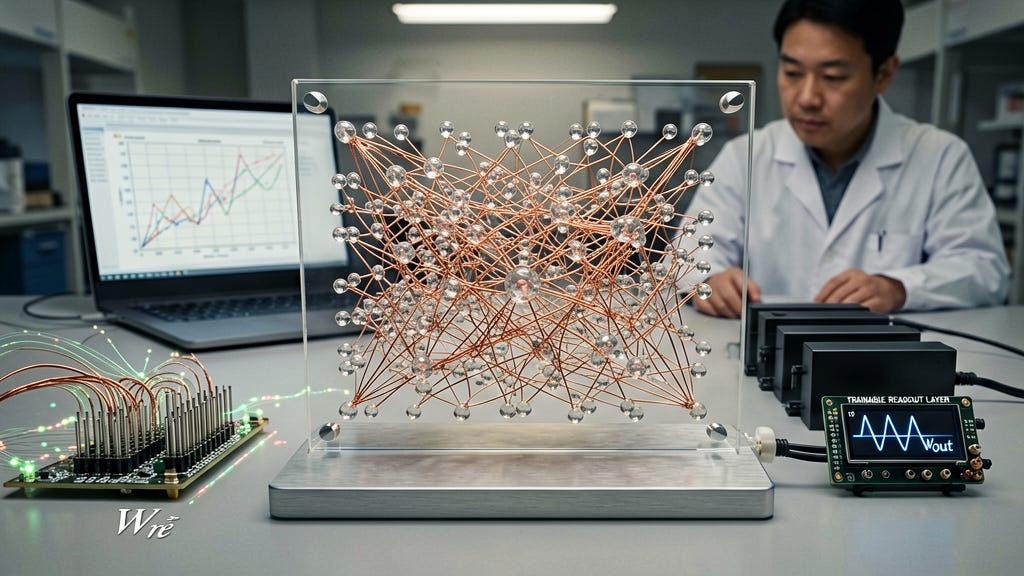
Researchers Work to Decode the "Black Box" of Reservoir Computing and Brain-Inspired AI
This article explores Reservoir Computing (RC), a specialized form of recurrent neural networks (RNNs) that mimics biological brain processe
 akmaier.substack.com·4h ago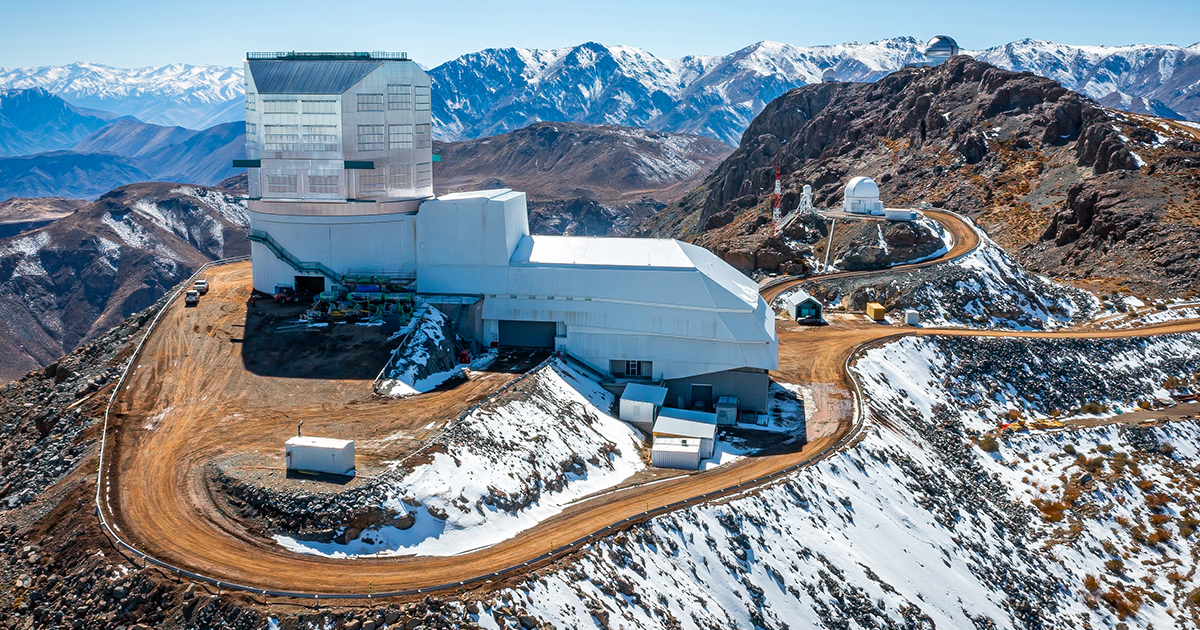
Vera C. Rubin Observatory Set to Discover Millions of Asteroids and Transient Phenomena in Big-Data Astronomy Era
The Vera C. Rubin Observatory in Chile is preparing to begin operations, designed to capture the entire Southern Hemisphere night sky every
 quantamagazine.org·5h ago