





















SFU researchers develop mathematical model to improve blood supply management in rural B.C. hospitals
By
by Robyn Stubbs

Crackles when you bite it. Shows the baker did the work.
Summary
Simon Fraser University researchers have developed a new simulation model to help rural hospitals in British Columbia better manage blood supply inventory. The current hub-and-spoke system distributes blood from Canadian Blood Services and larger hospitals to smaller rural facilities, with blood returned to hubs 10 days before expiry. The mathematical model aims to optimize ordering decisions, addressing the critical challenge of ensuring timely access to blood in rural communities where supply management is particularly difficult.
Key quotes
· 3 pulledMoving blood through 'hubs and spokes'
Ten days before a unit of blood expires, they return it back to the hub hospital, where it's more likely to be used, and then order new blood.
In medical emergencies, timely access to blood can mean the difference between life and death.
You might also wanna read


Canadian Government Data Shows 23,746 Patients Died on Medical Waitlists in Past Year
Government data obtained through Freedom of Information requests reveals that 23,746 patients died on medical waitlists in Canada during the
 secondstreet.org·6mo ago
UBCO Researchers Develop 3D-Printed Living Lung Tissue
UBCO researchers have developed a 3D bio-printed model that mimics natural lung tissue, revolutionizing the study of lung disease and treatm
news.ok.ubc.ca·11mo ago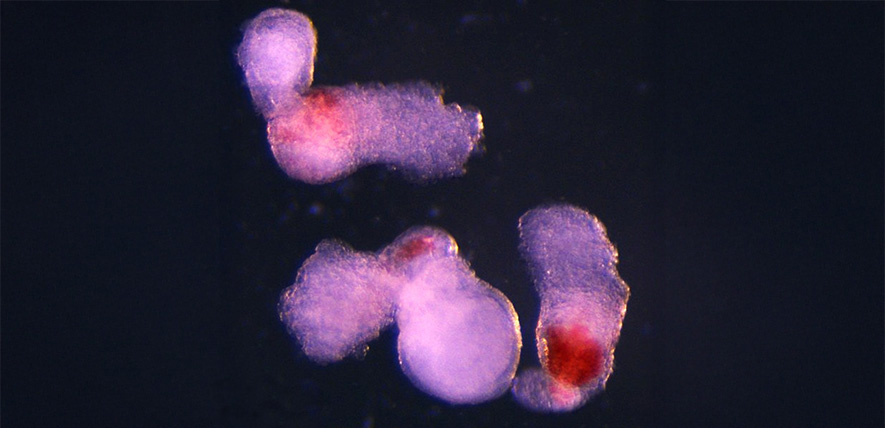
Cambridge Scientists Create Lab-Grown Embryo Models That Produce Blood Cells
University of Cambridge researchers have successfully created three-dimensional embryo-like structures called 'hematoids' from human stem ce
 cam.ac.uk·8mo ago
Harvard study finds AI outperforms doctors in emergency triage diagnoses
A Harvard study found that AI systems outperformed human doctors in emergency medicine triage, diagnosing more accurately in high-pressure s
 The Guardian·1mo ago
Canada's MAID Program: 9 Years of Expanding Euthanasia Laws and Their Societal Impact
The article examines Canada's Medical Assistance in Dying (MAID) program over its nine-year implementation, highlighting its rapid expansion

Foundation Models for Wearable Behavioral Data Improve Health Predictions
Researchers developed foundation models for behavioral data from wearable devices using over 2.5 billion hours of data from 162,000 individu
 arxiv.org·9mo ago