





















LogTape: A Logging Library Designed for JavaScript Libraries, Not Applications
By
todsacerdoti

Pure flour-power. Hearty enough to carry you through lunch.
Summary
The article discusses the challenges library developers face with logging in JavaScript, particularly for libraries like Fedify (an ActivityPub server framework) that need to remain unobtrusive to end users. Traditional logging libraries are designed for applications and force library authors to either impose specific configurations or leave users without debugging information. The author created LogTape as a solution, featuring a hierarchical category system that ensures zero default output unless explicitly enabled, granular visibility into specific subsystems, implicit contexts with asynchronous local storage for request tracing, and support for modern runtimes (Node.js, Deno, Bun). The approach prioritizes an opt-in philosophy and structured data to transform logging from a potential nuisance into a powerful diagnostic tool for complex distributed systems.
Key quotes
· 5 pulledI couldn't figure out how to add logging. Not because logging is hard—there are dozens of mature logging libraries for JavaScript. The problem was that they're primarily designed for applications, not for libraries that want to stay unobtrusive.
LogTape provides a solution through a hierarchical category system that ensures zero default output unless explicitly enabled by the application developer.
By utilizing these categories, frameworks like Fedify can offer granular visibility into specific subsystems, such as HTTP signature verification or JSON-LD processing, without cluttering the console with internal chatter.
Additionally, LogTape leverages implicit contexts and asynchronous local storage to enable seamless request tracing across asynchronous boundaries, allowing developers to correlate related logs through unique identifiers automatically.
By prioritizing an opt-in philosophy and structured data, library authors can provide high-quality observability while maintaining a clean developer experience.
You might also wanna read

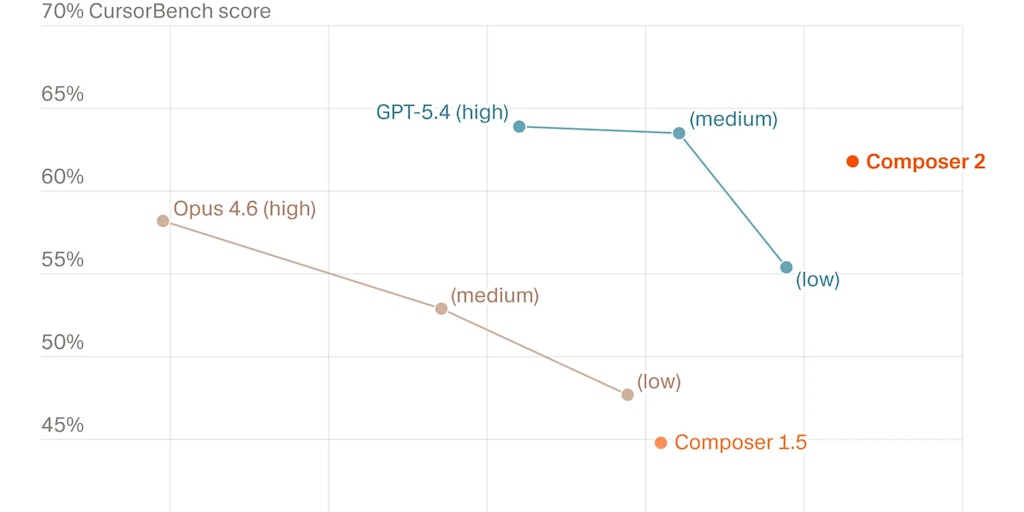
Cursor: AI-Powered Code Editor for Enhanced Developer Productivity
Cursor is an AI-powered code editor designed to significantly boost developer productivity by integrating AI assistance directly into the co
 Product Hunt·13d ago
Haystack: AI-Powered Code Review Platform That Turns Pull Requests into Clear Narratives
Haystack is an AI-native code review platform that transforms pull request reviews from confusing jigsaw puzzles into clear narrative storie
Product Hunt·14d ago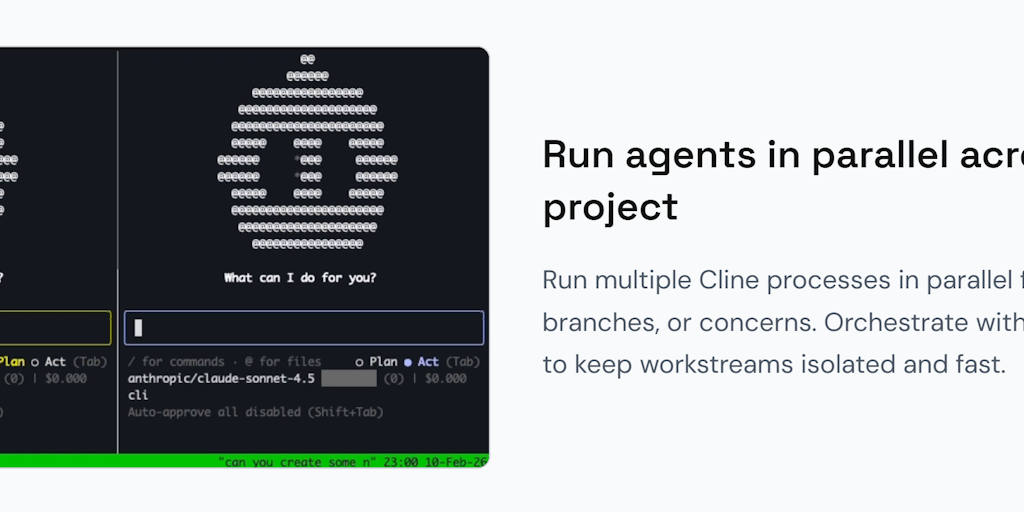
Cline: AI-Powered Autonomous Coding Assistant for Visual Studio Code
Cline is an AI-powered autonomous coding agent for VS Code that can understand code context, generate code, answer questions, and perform co
Product Hunt·18d ago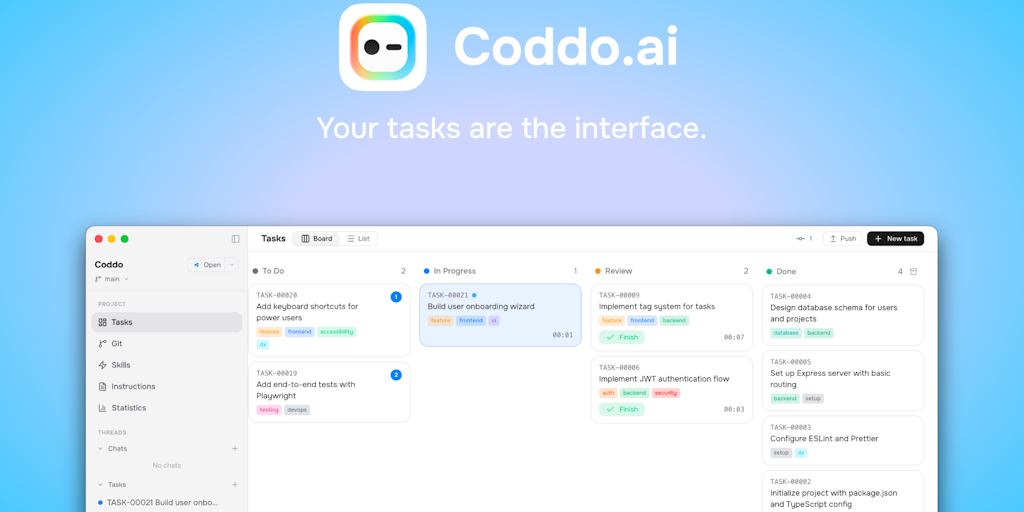
Coddo: A Task-First Software Development Tool with AI Integration
Coddo is a task-first software development tool that differs from traditional IDEs like VS Code by organizing work around tasks rather than
Product Hunt·20d ago
Warp Platform: Terminal and Orchestration Tools for Building Coding Agents Locally and in the Cloud
Warp is a terminal platform designed specifically for building and running coding agents, offering both local and cloud-based capabilities.
Product Hunt·24d ago
Zed Code Editor Reaches 1.0 After Rebuilding from Scratch Without Electron
Zed, a new code editor built from scratch by the creators of Atom, has reached version 1.0. The team abandoned the Electron/web technology a
 zed.dev·1mo ago