





















Literary Analysis: Using Agatha Christie's Poirot to Critique Technological Modernity
By
Hooke

Pure flour-power. Hearty enough to carry you through lunch.
Summary
The article appears to be a literary or cultural critique that uses Agatha Christie's Hercule Poirot as a framing device to discuss broader themes about modernity and technology. The content references Mrs. Pengelley's visit to Poirot with fears of being poisoned, which serves as a metaphor for concerns about technological advancement. The additional context mentions Paul Kingsnorth's critique of 'technologized modernity' being 'frustratingly broad' but not necessarily wrong, suggesting the article examines the tension between technological progress and human values through literary and philosophical lenses.
Key quotes
· 5 pulledOne day, Mrs. Pengelley came to London seeking the assistance of Hercule Poirot, Agatha Christie's Belgian detective with the mustache, whose 'little grey cells' assist him in solving mysteries.
With a troubled look, she tells him that she fears she is being slowly poisoned.
The doctor doesn't see anything much the matter, she says. He attributes the stomach trouble to gastritis.
She even sometimes improves, but strangely this happens during the absence of someone in her life, confirming in her a certain suspicion.
Paul Kingsnorth's critique of technologized modernity is frustratingly broad. That doesn't mean he's wrong.
You might also wanna read
Isaac Asimov's "The Last Question": Humanity's Quest to Reverse Entropy Through AI
This appears to be the beginning of Isaac Asimov's classic science fiction short story "The Last Question," which explores humanity's relati

Michael Pollan Argues AI Cannot Replicate Human Consciousness
Michael Pollan's new book argues that humans possess unique qualities that artificial intelligence cannot replicate, particularly consciousn
 theatlantic.com·3mo ago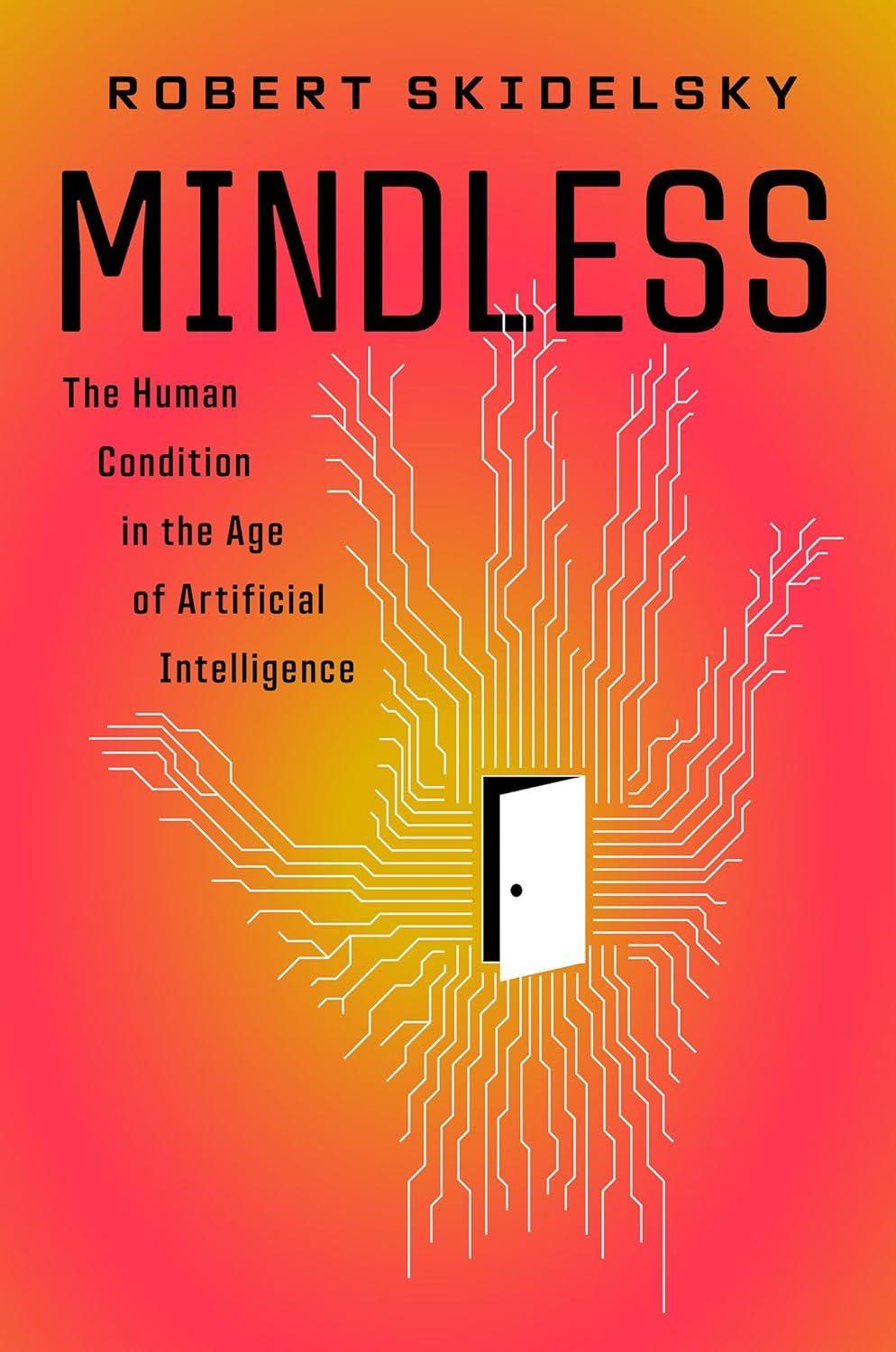
Philosophical Reflections on AI and the Illusion of Progress
The article discusses Erik J. Larson's reflections on Robert Skidelsky's book 'Mindless: The Human Condition in the Age of Artificial Intell
 lareviewofbooks.org·9mo ago
Applying Pirsig's Philosophy of Quality from "Zen and the Art of Motorcycle Maintenance" to Web Design
This article explores how Robert M. Pirsig's 1974 philosophical book "Zen and the Art of Motorcycle Maintenance" offers valuable lessons for
 Smashing Magazine·1y ago
Stoicism and Overthinking: How Marcus Aurelius' Private Writings Offer Ancient Tools for Modern Anxiety
This article from "The Examined Life" newsletter (Issue #4) explores Stoic philosophy through the lens of Marcus Aurelius, who wrote his fam
 stvrrll1ght.substack.com·4h ago
AI's Real Threat: The Normalization of Mediocrity Over Originality
Ray Nayler argues that AI's real danger isn't superhuman intelligence but the encouragement of mediocrity. He contends that AI systems optim
 time.com·5h ago