





















LinkedIn cuts GPU training hours by 65% with Generative Recommender system optimizations
By
StartupHub.ai

A respectable bake. You'd come back tomorrow for another.
Summary
LinkedIn has developed a Generative Recommender (GR) system that models user activity as token sequences, offering richer long-context personalization compared to traditional Deep Learning Recommendation Models (DLRM). The company's engineers achieved significant efficiency gains by implementing system-level optimizations that reduced GPU training hours by up to 65%, addressing key scalability challenges in deploying advanced generative sequential architectures for recommendation systems.
Key quotes
· 4 pulledLinkedIn is pushing the boundaries of recommendation systems, moving beyond traditional models to embrace generative sequential architectures.
This shift, exemplified by their Generative Recommender (GR), promises more nuanced understanding of user behavior over time.
The move to GR, which models user activity as token sequences, offers richer long-context personalization than older Deep Learning Recommendation Models (DLRM).
LinkedIn engineers drastically improved Generative Recommender training efficiency, cutting GPU hours by up to 65% through system-level optimizations.
You might also wanna read


LinkedIn to Resume AI Training with European User Data Starting November 2025
LinkedIn is planning to resume training generative AI models using European users' data starting November 3, 2025, after previously pausing
 hostvix.com·8mo ago
AI Tool Generates Branded LinkedIn Carousels from Simple Prompts
AI-powered tool that generates complete LinkedIn carousels from simple prompts, automatically importing brand assets from URLs, enabling AI-
 Product Hunt·1mo ago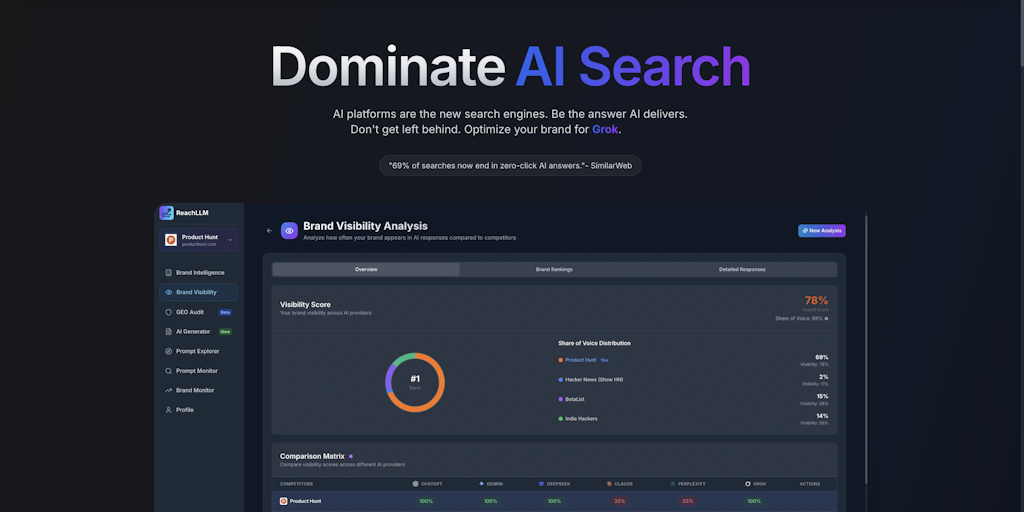
ReachLLM: AI Brand Monitoring and Optimization Platform for Generative Search Engines
ReachLLM is an AI-powered platform that helps businesses monitor how major language models (ChatGPT, Gemini, Claude, Perplexity, Grok, and D
 Product Hunt·9mo ago