





















J.M. Coetzee's Early Computer Programming Career and Its Influence on His Literary Work
By
bluejay2

Reliable enough to start your morning with. Toast it again tomorrow.
Summary
The article explores J.M. Coetzee's early career as a computer programmer (1962-1965) before he became a Nobel Prize-winning author, examining how his programming experience influenced his literary work. The author, a researcher who examined Coetzee's papers at the Ransom Center, argues that this brief but significant period in computing's early days was crucial to the development of Coetzee's writing style and literary project, revealing how computer code and programming logic shaped his approach to language and literature.
Key quotes
· 4 pulledWriter J. M. Coetzee's early poetry is almost undecipherable. That's because it was written in computer code.
Before he embarked on a career as a scholar and writer, the South African-born writer was a computer programmer in the early years of the industry's development (1962-1965).
I believe that this experience, while short, was vital for the development of Coetzee's writerly project.
Coetzee's papers offer tantalizing clues about his neglected 'other career.'
You might also wanna read

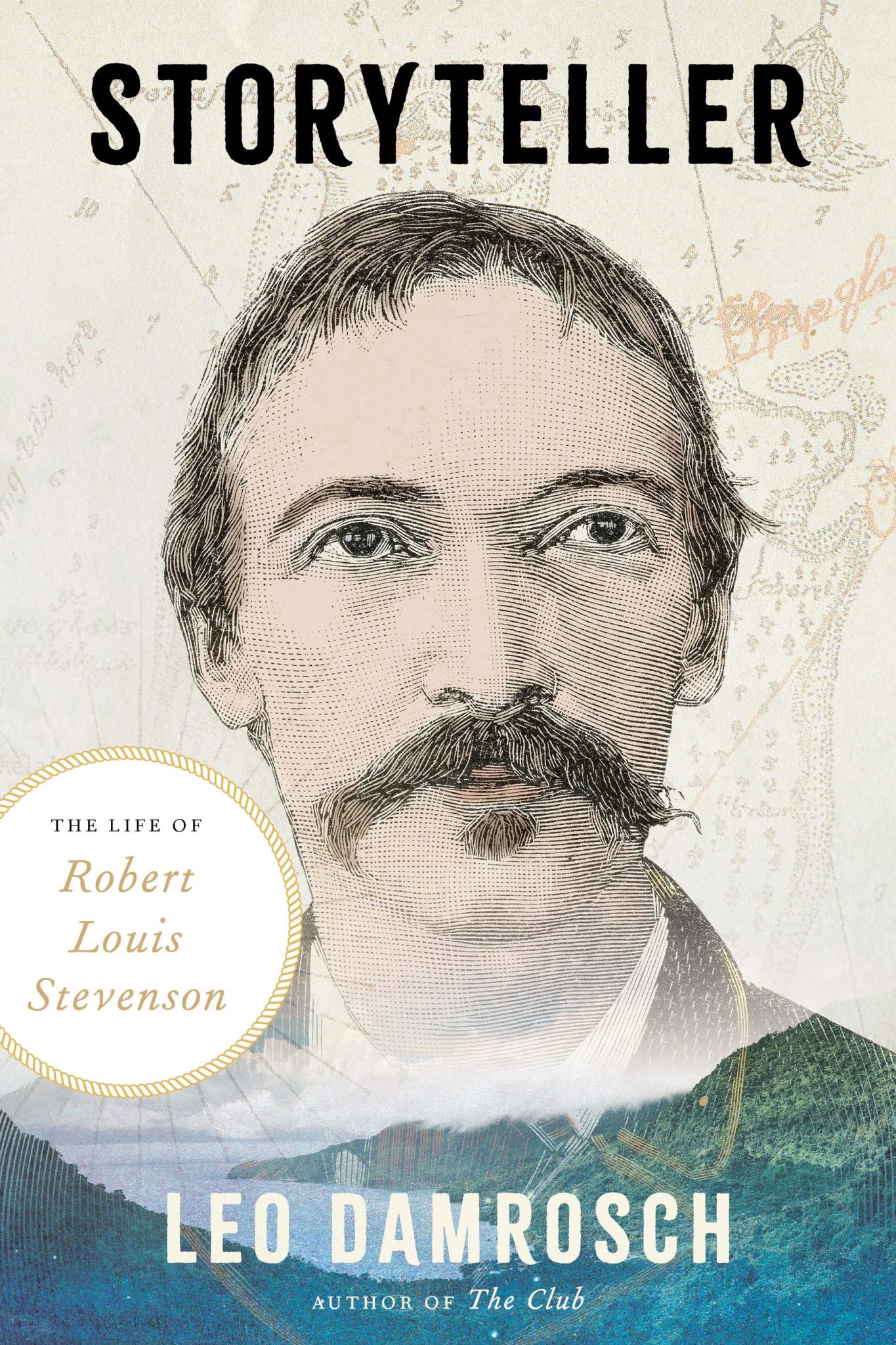
The Art of Biography: Understanding Robert Louis Stevenson's Travel Philosophy
This article explores the nature of biography through the lens of Robert Louis Stevenson's life and travels, examining what biography can re

Re-examining Iain M. Banks' Culture Novels as Dystopian AI Governance
The article presents an oppositional reading of Iain M. Banks' Culture novels, challenging the common interpretation of them as utopian AI s
 boristhebrave.com·8mo ago
Publishing and Writing Awards Struggle to Address Generative AI Challenges
The article examines how book publishers and writing awards have not adequately adapted to the prevalence of generative AI since its widespr
 janefriedman.com·17h ago
AI authorship allegations cast doubt on Commonwealth short story prize winner
A short story that won a prestigious literary award is under scrutiny after readers identified syntactical patterns consistent with AI-gener
 theguardian.com·19h ago
AI in Literature: Three Controversies Highlight the Tension Between Technology and Creative Writing
The article discusses the growing tension between artificial intelligence and the literary world, highlighting three recent controversies: N
 bit.ly·1d ago
AI Detection Tools Like Pangram Are Creating a Crisis of False Accusations in Publishing
The article examines the growing problem of AI-detection tools, particularly Pangram, being used to accuse writers of passing off AI-generat
theatlantic.com·1d ago