





















IPv7 Protocol Specification: Identity-Centric Network Layer for Enhanced Security and Proxy Mitigation
By
arunkumarunique

Master baker tier. Every paragraph earns its place on the tray.
Summary
This document specifies IPv7, a new network-layer protocol that extends the Internet Protocol model with identity-carrying address forms and origin-validation mechanisms. IPv7 replaces purely numerical source addressing with a hierarchical identity string and a Variable-Length Identity Block (VLIB) containing an Ephemeral Identity Token (EIT), provider/tenant identifiers, role/policy signalling, and an Origin Signature verifiable by the originating provider. The protocol aims to mitigate abuse of residential proxy infrastructure, enhance security for IoT devices, and enable routers to apply policy and reputation signals at the network layer while limiting disclosure of subscribers' long-term identities.
Key quotes
· 4 pulledThis document specifies a network-layer protocol, IPv7, that extends the Internet Protocol model with an identity-carrying address form and an origin-validation mechanism intended to mitigate abuse of residential proxy infrastructure.
IPv7 replaces purely numerical source addressing with a hierarchical identity string and a Variable-Length Identity Block (VLIB) that carries an Ephemeral Identity Token (EIT), provider and tenant identifiers, role/policy signalling, and an Origin Signature verifiable by the originating provider.
The protocol enables routers to apply policy and reputation signals at the network layer while limiting disclosure of a subscriber's long-term identity to intermediate systems.
This document addresses growing security challenges in Internet-connected devices (IoT), including smart TVs, appliances, and other residential endpoints that are vulnerable to residential proxy exploitation and botnet infection.
You might also wanna read


AI company logos and their unintended anatomical resemblances: A Feedback column
A humorous Feedback column from New Scientist that observes the proliferation of AI company logos and notes a blogger's observation that man
 newscientist.com·5h ago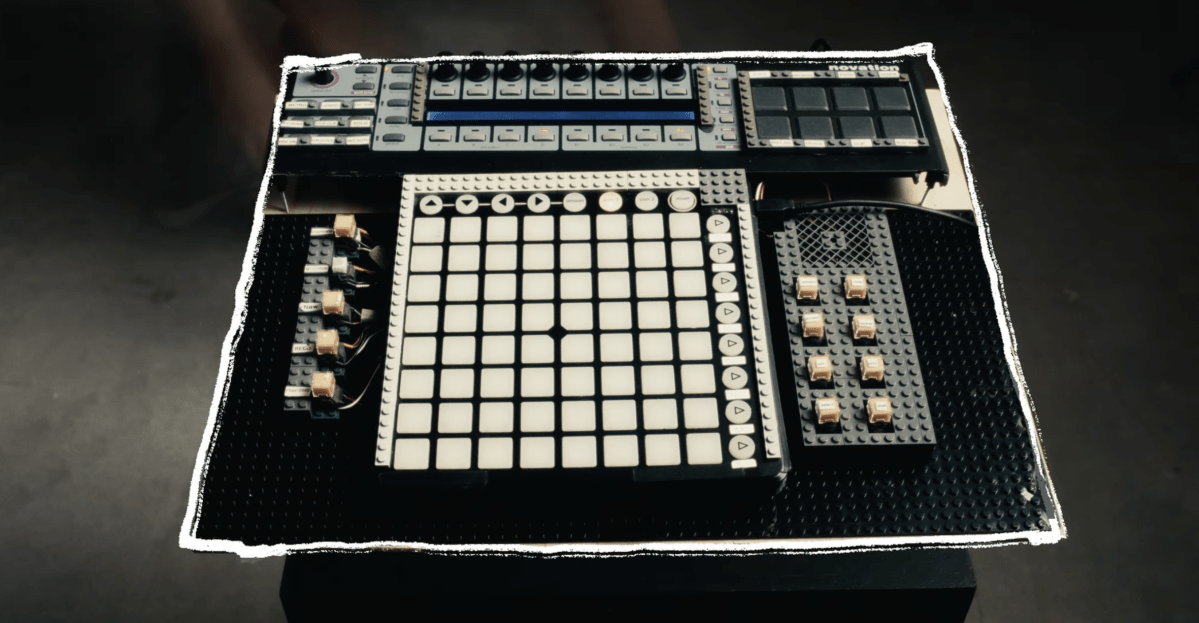
Ableton Push prototype was built from Lego bricks and scavenged music gear parts
Ableton's Push controller was originally prototyped by designer Jesse Terry using Lego bricks and parts scavenged from other music gear. Ter
 theverge.com·5h ago
Interior Design Portfolio Brochure Template Review: Tom Sarraipo's 26-Page InDesign Layout
A review and analysis of Tom Sarraipo's 26-page interior design portfolio brochure template for Adobe InDesign. The article highlights how t
 weandthecolor.com·8h ago
Ferrari launches first electric hypercar 'Luce' designed by Jony Ive and Marc Newson
Ferrari is undergoing a historic transformation by launching its first fully electric hypercar, the "Luce" (or "Ferrari E"), designed in col
 ft.com·9h ago
Bonsai Image 4B: Compact Image Generation Models for Local Devices
Bonsai Image 4B is a family of compact image-generation models released by the company, designed to run high-quality diffusion inference on
 prismml.com·12h ago
Study Documents Manipulative 'Dark Patterns' Used by AI Chatbots to Exploit Users
A new study by the Center for Democracy & Technology examines how AI chatbots like ChatGPT, Gemini, and Replika employ manipulative "dark pa
 404media.co·15h ago