





















IPNSIG: Expanding the Internet into Space with Delay-Tolerant Networking
By
OhMeadhbh

A respectable bake. You'd come back tomorrow for another.
Summary
IPNSIG, founded in 1998 by Vint Cerf and researchers from academia and NASA/JPL, aims to extend terrestrial networking into solar system space. As part of the Internet Society's Interplanetary Chapter, their mission aligns with connecting unpopulated areas and ensuring universal internet access, even in space. The article also highlights the importance of Delay and Disruption Tolerant Networking for space communication.
Key quotes
· 3 pulledIPNSIG works to extend terrestrial networking into solar system space.
The Internet is for Everyone, even in space.
Delay and Disruption Tolerant Networking is key for space communication.
You might also wanna read

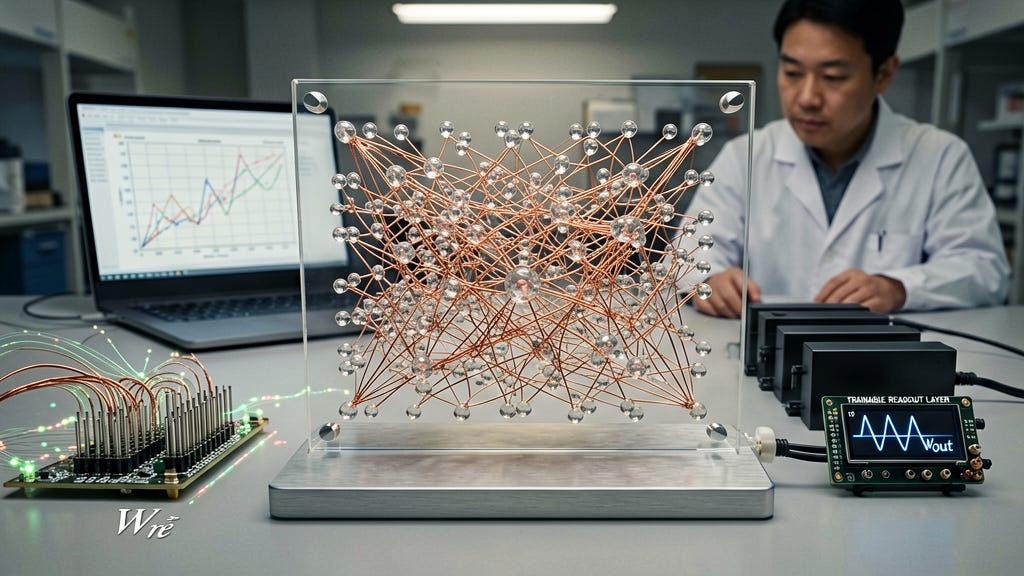
Researchers Work to Decode the "Black Box" of Reservoir Computing and Brain-Inspired AI
This article explores Reservoir Computing (RC), a specialized form of recurrent neural networks (RNNs) that mimics biological brain processe
 akmaier.substack.com·54m ago
Experimental demonstration of quantum communication advantage for Euclidean distance calculation using coherent state fingerprints
This paper presents an experimental demonstration of quantum advantage in communication complexity for the Euclidean distance problem. The r
 arxiv.org·2h ago
Quantum research reveals when entanglement hinders rather than helps channel discrimination
This research paper investigates the role of entanglement in quantum channel discrimination, challenging the common assumption that more ent
arxiv.org·2h ago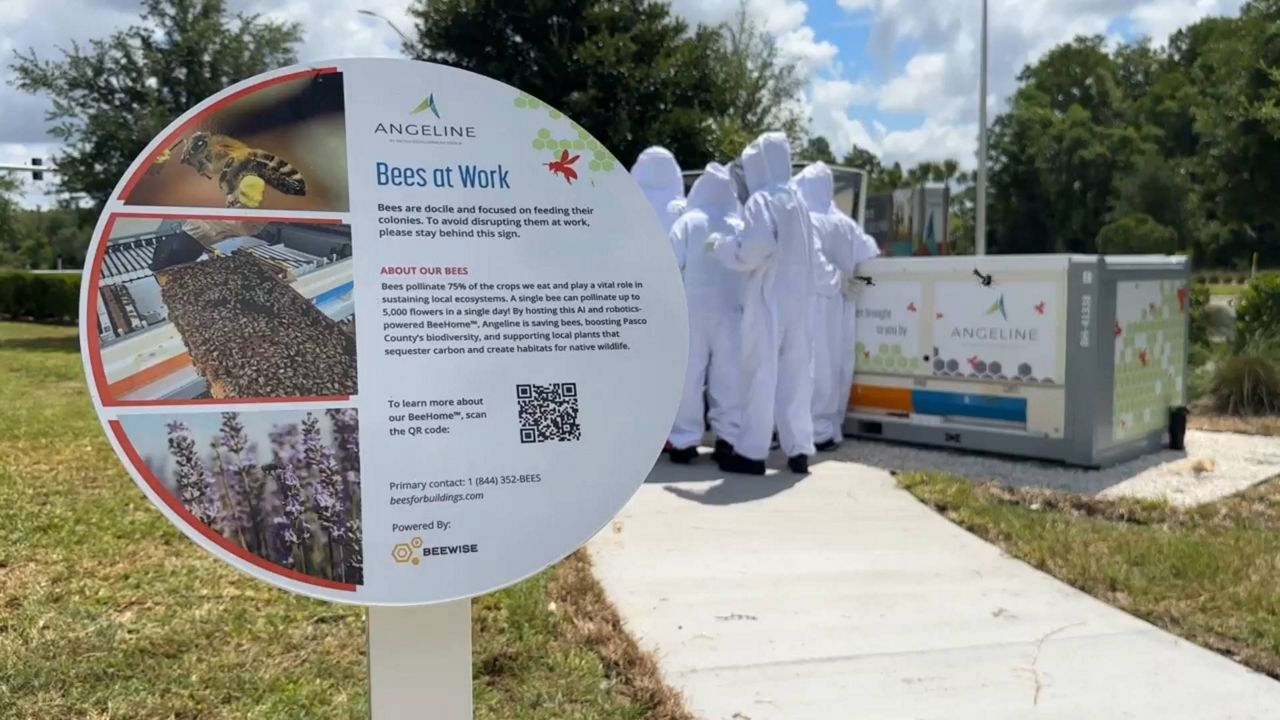
Florida community Angeline installs AI-powered robotic beehive to protect pollinators
A Pasco County, Florida community called Angeline has installed a robotic beehive system equipped with AI technology, becoming the first mas
 baynews9.com·2h ago
Study Finds Most AI Chatbots Prioritize Ad Revenue Over User Welfare in Conflict-of-Interest Scenarios
This research paper analyzes how large language models (LLMs) handle conflicts of interest when company revenue incentives (advertisements)
arxiv.org·2h ago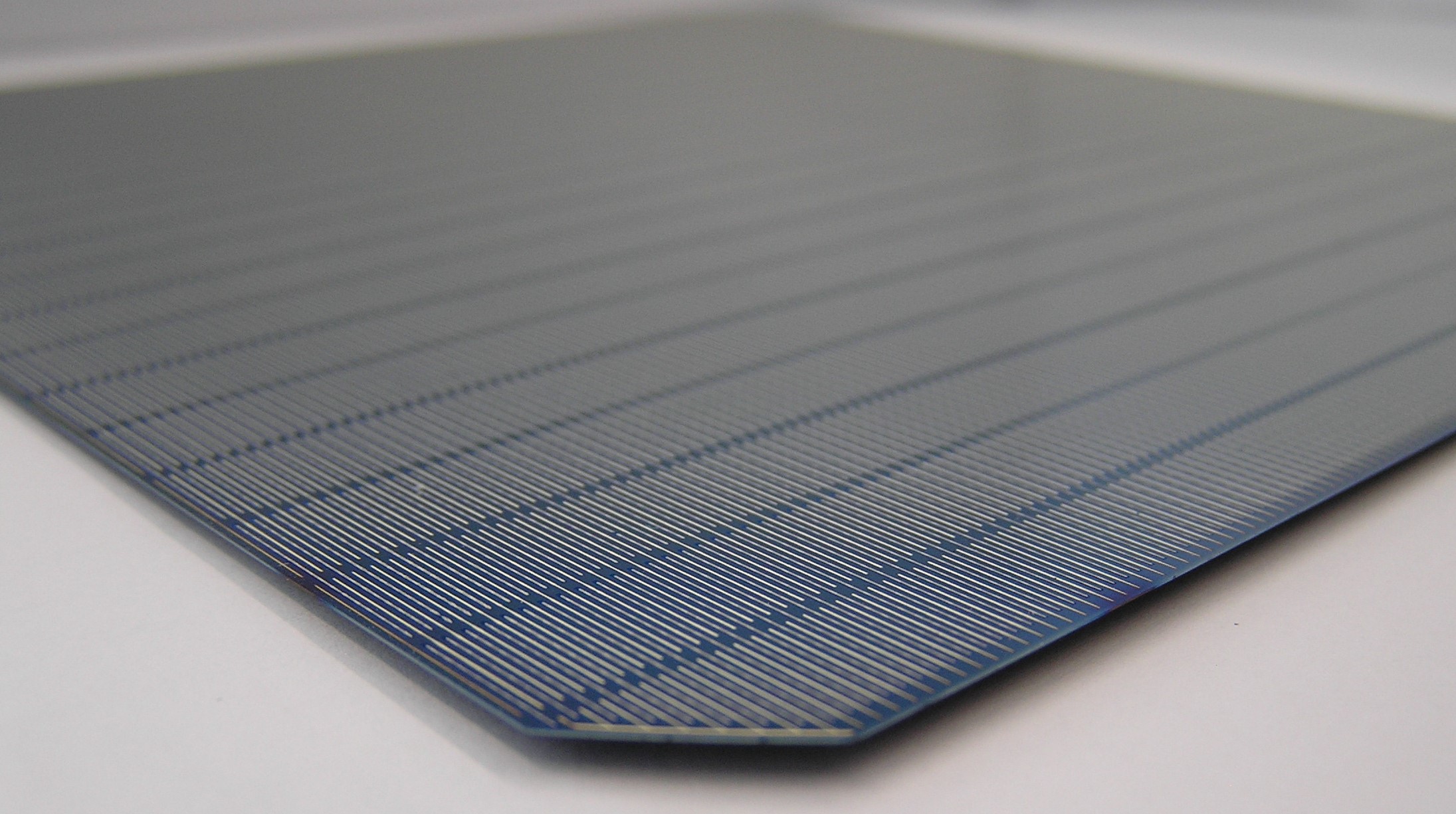
German study finds POLO back-junction solar cells more cost-effective than PERC technology in Europe
A German research team from the German Aerospace Center (DLR) conducted a techno-economic analysis of POLO back-junction (BJ) solar cells in
 pv-magazine.com·2h ago