





















Introduction to Gleam Programming Language: Type-Safe Functional Language on Erlang Runtime
By
Alupis

Tired, dry, slightly forgotten on the back of the tray.
Summary
Gleam is a programming language that combines a type system, functional programming expressiveness, and the Erlang runtime's concurrency and fault tolerance capabilities with modern syntax. The article provides code examples demonstrating basic I/O operations and concurrent message passing between processes, and mentions that Gleam comes with built-in tools including compiler, build tool, formatter, editor integrations, and package manager.
Key quotes
· 5 pulledThe power of a type system, the expressiveness of functional programming, and the reliability of the highly concurrent, fault tolerant Erlang runtime, with a familiar and modern syntax.
Discover a friendly language for scalable, type-safe systems.
Gleam comes with compiler, build tool, formatter, editor integrations, and package manager all built in.
// Spawn a child green thread
// Wait for the message to arrive
You might also wanna read

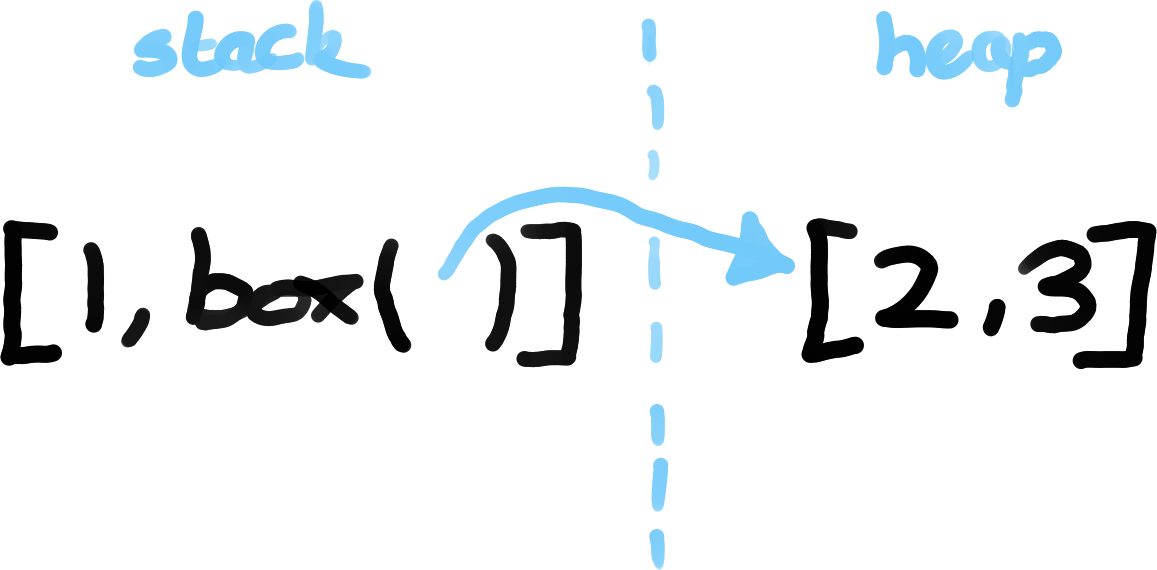
Dynamic Borrow-Checking in a Toy Programming Language: Implementing Rust-like Memory Safety Without Static Types
This article presents a demonstration of a toy programming language that implements borrow-checking without static type-checking. The langua
 scattered-thoughts.net·1mo ago
C++26 Standard Draft Finalized with Reflection, Memory Safety, Contracts, and New Concurrency Framework
The C++26 standard draft has been completed, introducing major new features including reflection capabilities that allow C++ to describe its
 infoq.com·1mo ago
Understanding Fil-C: A Simplified Model of Memory-Safe C/C++ Implementation
The article presents a simplified model of Fil-C, a memory-safe implementation of C/C++. It explains that while the real Fil-C uses a compil
Sky: An Experimental Elm-Inspired Programming Language That Compiles to Go
Sky is an experimental programming language that combines Go's pragmatism with Elm's elegance to create a fullstack functional programming l
 github.com·1mo ago
Analyzing Rust's Coherence and Orphan Rules: Ecosystem Development Challenges and Proposed Solutions
This article critiques Rust programming language's coherence rules and orphan rules, which prevent implementing traits for types defined in
boxyuwu.blog·2mo ago
SBCL Fibers: Implementation Design for Lightweight Cooperative Threads
This is a draft design document describing the implementation of lightweight userland cooperative threads (called 'fibers') for SBCL (Steel
atgreen.github.io·2mo ago