





















Understanding Beaver Triples: A Primer on Secure Multiparty Computation
By
Mikerah Quintyne-Collins

Sesame, salt, and substance. A flagship bake.
Summary
The article introduces the concept of Beaver Triples in the context of secure multiparty computation (MPC). It uses an analogy about a friend group deciding on a restaurant while keeping their preferences private to explain how cryptographic techniques allow multiple parties to compute on encrypted data without revealing their individual inputs. The content focuses on privacy-preserving computation, specifically how Beaver Triples enable efficient secure computation by pre-processing random values that help mask and unmask secret-shared data during computation.
Key quotes
· 3 pulledYou and your friends are planning to go out to dinner. Typically, you are the friend in the friend group that pays for everyone else's meals.
But, just because external forces are kicking everyone's butt doesn't prevent the friend group from hanging out and enjoying a nice meal together.
Math-backed privacy, not promises.
You might also wanna read


Microsoft Research's Vega Uses Zero-Knowledge Proofs for Private Digital Identity Verification
Microsoft Research has unveiled Vega, a system that uses zero-knowledge proofs (ZKPs) to enable private digital identity verification. Vega
 startuphub.ai·3d ago
How Shamir's Secret Sharing Algorithm Enables Threshold Cryptography
This article explains Adi Shamir's Secret Sharing algorithm, a cryptographic method published in 1979 that splits a secret into multiple pie
 ente.com·6d ago
Apple publishes corecrypto with formal verification proofs for quantum-secure ML-KEM and ML-DSA algorithms
Apple has published the corecrypto library containing quantum-secure ML-KEM and ML-DSA algorithms, along with formal verification proofs tha
 security.apple.com·9d ago
Auto-Identity-Remove: An open-source tool to automate data broker opt-outs across 500+ sites
This article presents an open-source GitHub tool called "auto-identity-remove" that automates the process of opting out of data broker and p
 github.com·13d ago
Why I banned all query strings from my website
Chris Morgan expresses frustration with third parties adding tracking query strings (like UTM parameters and referral tags) to URLs that poi
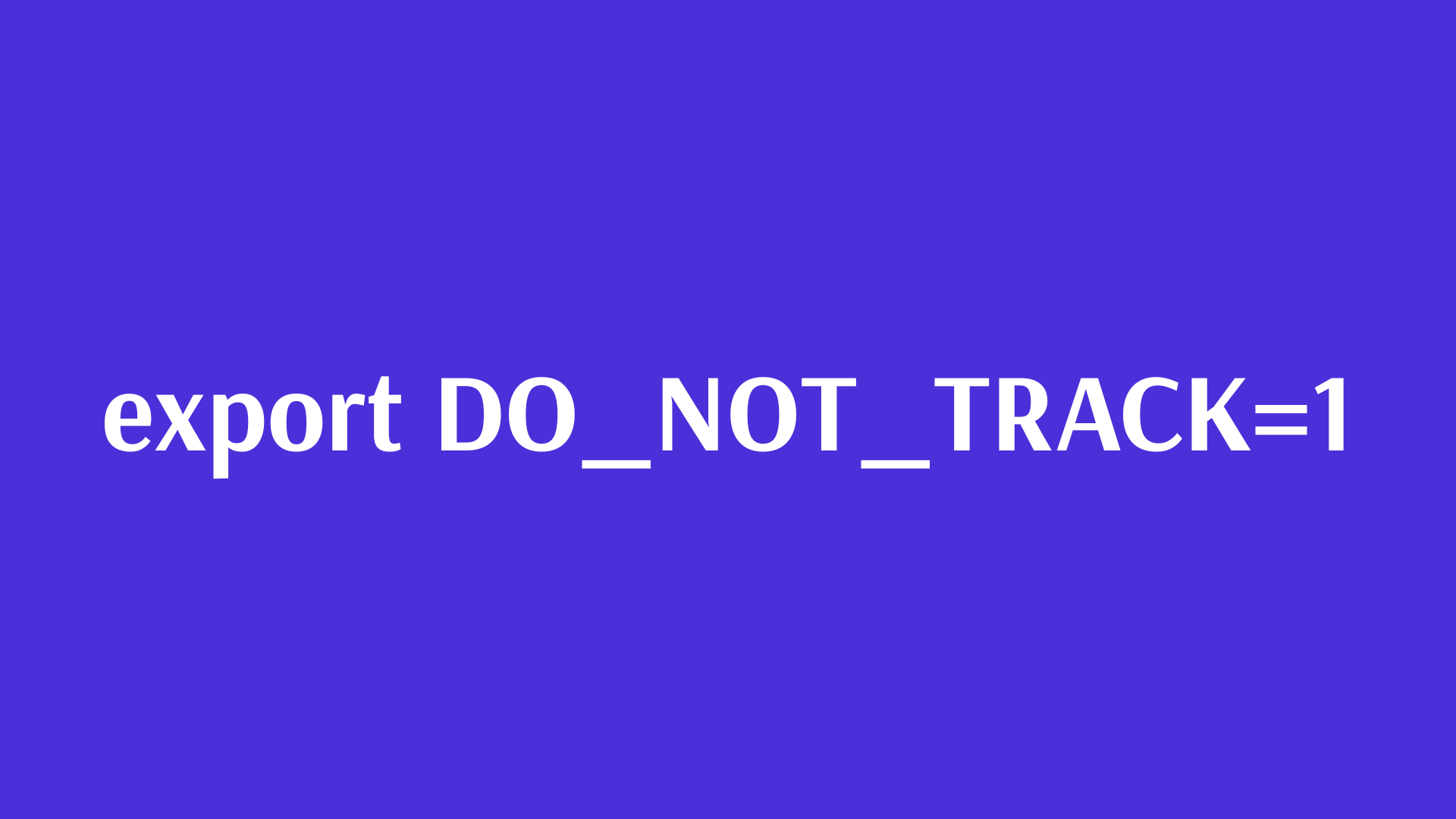
DO_NOT_TRACK: A Proposed Standard Environment Variable for CLI Telemetry Opt-Out
This article proposes a standardized environment variable called DO_NOT_TRACK for opting out of telemetry, analytics, and tracking in CLI an
 donottrack.sh·29d ago