





















Implementation of Hyperlink Support in Terminal Emulators
By
nvahalik

The kind of bagel that ruins lesser bagels for you.
Summary
The article discusses the implementation of hyperlink support in terminal emulators, specifically focusing on how GNOME Terminal and iTerm2 introduced this feature in 2017. It explains that while terminal emulators could previously auto-detect URLs onscreen, they couldn't support arbitrary text linking to URLs like webpages do. The article details the technical implementation through the VTE widget that powers GNOME Terminal, and covers the broader ecosystem impact including other terminal emulators that have adopted similar functionality.
Key quotes
· 4 pulledMost of the terminal emulators auto-detect when a URL appears onscreen and allow to conveniently open them (e.g. via Ctrl+click or Cmd+click, or the right click menu).
It was, however, not possible until now for arbitrary text to point to URLs, just as on webpages.
In spring 2017, GNOME Terminal and iTerm2 have changed this.
GNOME Terminal is based on the VTE widget, and almost all of this work went to VTE.
You might also wanna read
Gridland: A Terminal Application Framework Built on OpenTUI and React
Gridland is a framework for building terminal applications that combines OpenTUI with React. The article appears to be a technical introduct

xserver-SIXEL: X Server Implementation for SIXEL Terminal Support
This article describes xserver-SIXEL, an X server implementation specifically designed for SIXEL-featured terminals. It explains that X serv
 github.com·8mo ago
Building Carbonyl: A Chrome Fork for Terminal Web Rendering
The article introduces Carbonyl, a web browser that forks Chrome to render HTML content directly in terminal environments. It demonstrates h
Kefir C compiler development moves to private mode indefinitely
The developer of the Kefir C compiler announces the cessation of public development, transitioning the project to private mode indefinitely.
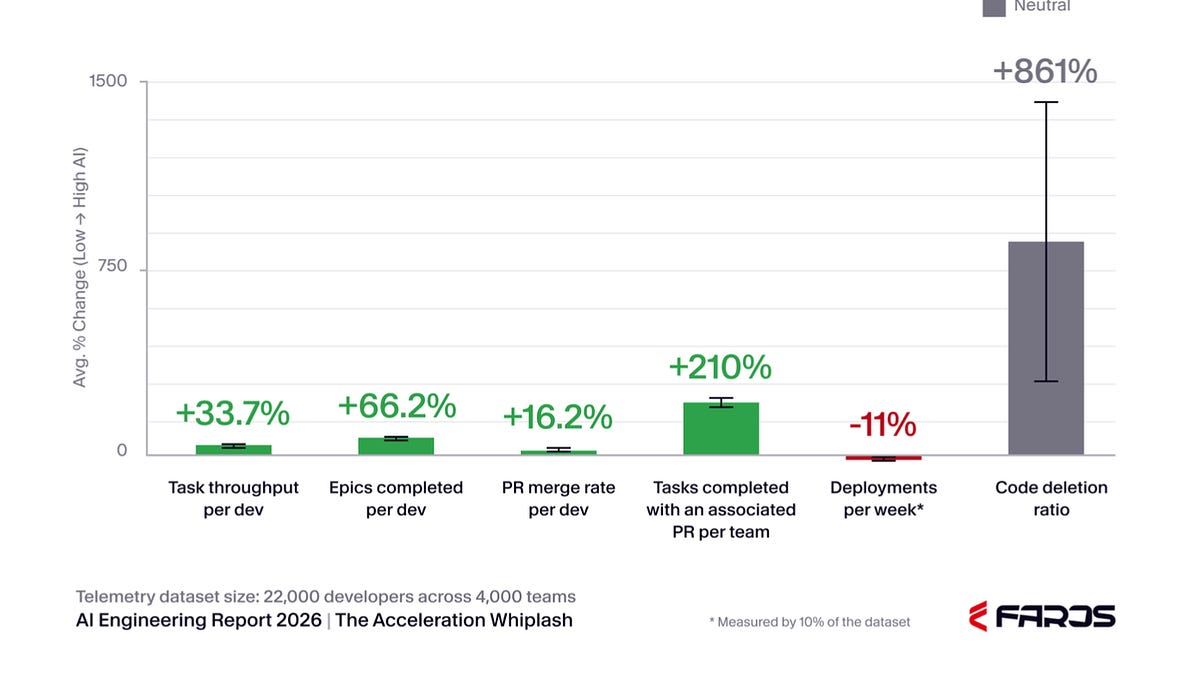
Why Average LLM Use Is Likely Destroying Value in Software Development
The author argues that, contrary to prevailing hype, the average use of Large Language Models (LLMs) is likely destroying value rather than
 unessays.substack.com·17h ago
How AI Accelerated Prototyping: From Idea to Tangible in Record Time
The author reflects on how AI has transformed their prototyping workflow. Previously, the biggest bottleneck was the time needed to scaffold
 darylcecile.net·17h ago