





















How the Strait of Hormuz standoff flipped the energy security debate
By
Sam Meredith

The kind of bagel that ruins lesser bagels for you.
Summary
Iran's influence over the Strait of Hormuz has shifted the energy security debate, revealing that fossil fuels—not renewables—are the primary source of vulnerability. The closure of this strategic waterway, which handles about 20% of global oil transit, has challenged the long-held narrative that fossil fuels provide security while renewables are unreliable due to intermittency. The standoff has flipped the debate, showing that dependence on fossil fuel chokepoints creates significant geopolitical risk.
Key quotes
· 3 pulledIran's influence over the strategically vital Strait of Hormuz has inadvertently transformed the energy security debate, effectively casting fossil fuels rather than renewables as the primary source of vulnerability.
For decades, the conventional narrative has been one in which renewables were criticized for their intermittency issues and dependence on weather conditions, whereas technologies such as coal, oil, and gas were seen as providing security.
The Middle East conflict and protracted closure of the Strait of Hormuz, a waterway that typically handles around 20% of the
You might also wanna read

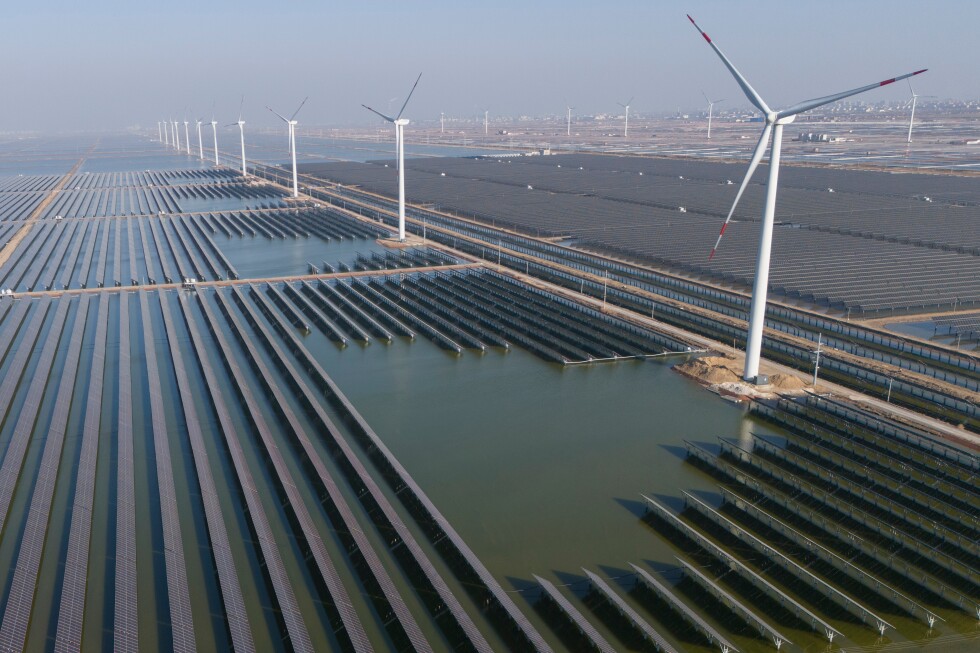
Iran Conflict Highlights Global Fossil Fuel Vulnerability, Renewables Urgency
The article discusses how the war in Iran is exposing global vulnerability to fossil fuel supply disruptions, particularly through the Strai
 apnews.com·2mo ago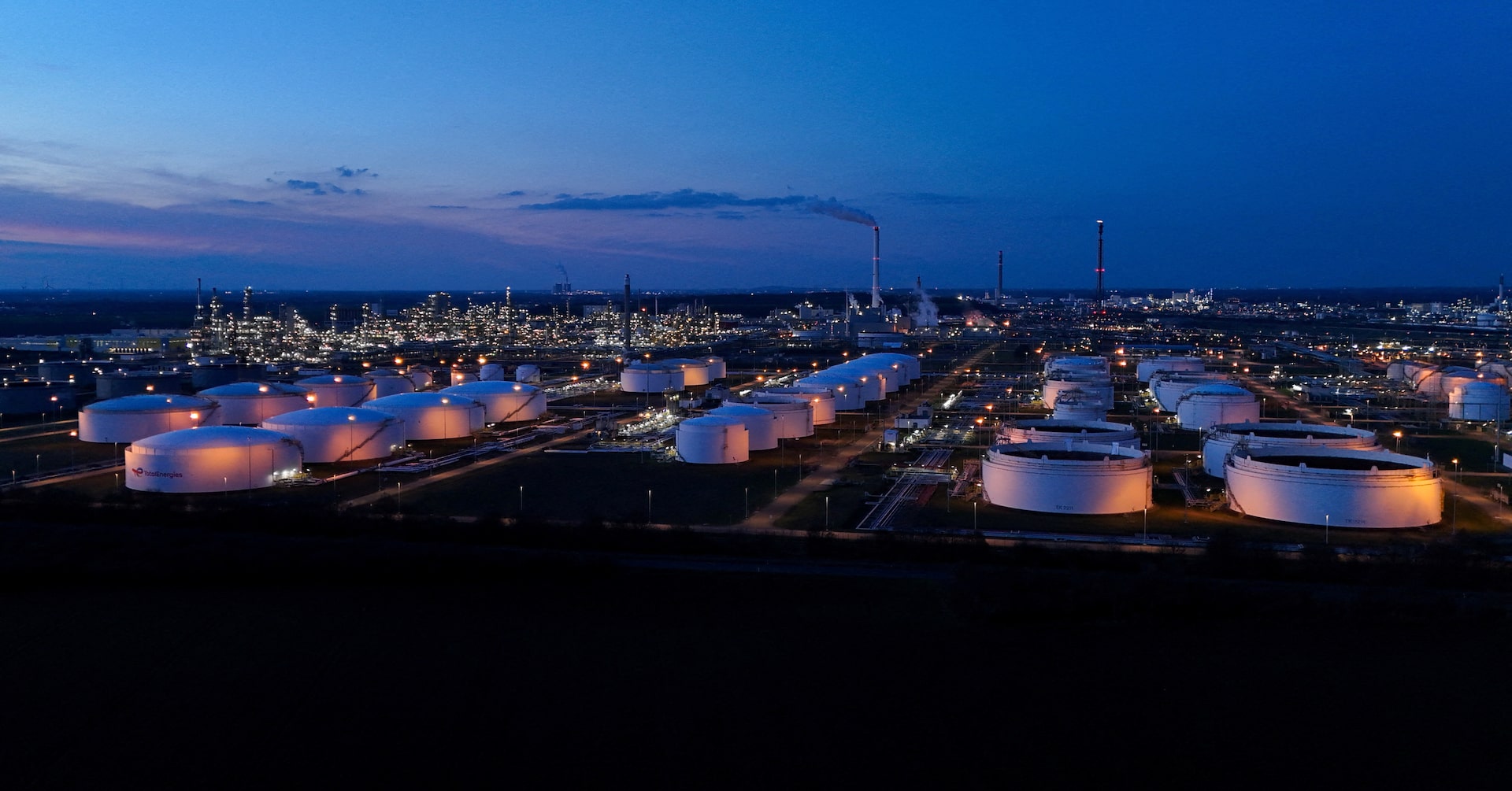
Iran War Energy Shock Drives Global Policy Shift Away from Fossil Fuel Dependence
The article discusses how the energy shock resulting from the Iran war has prompted global policymakers to reconsider strategies for reducin
 reuters.com·2mo ago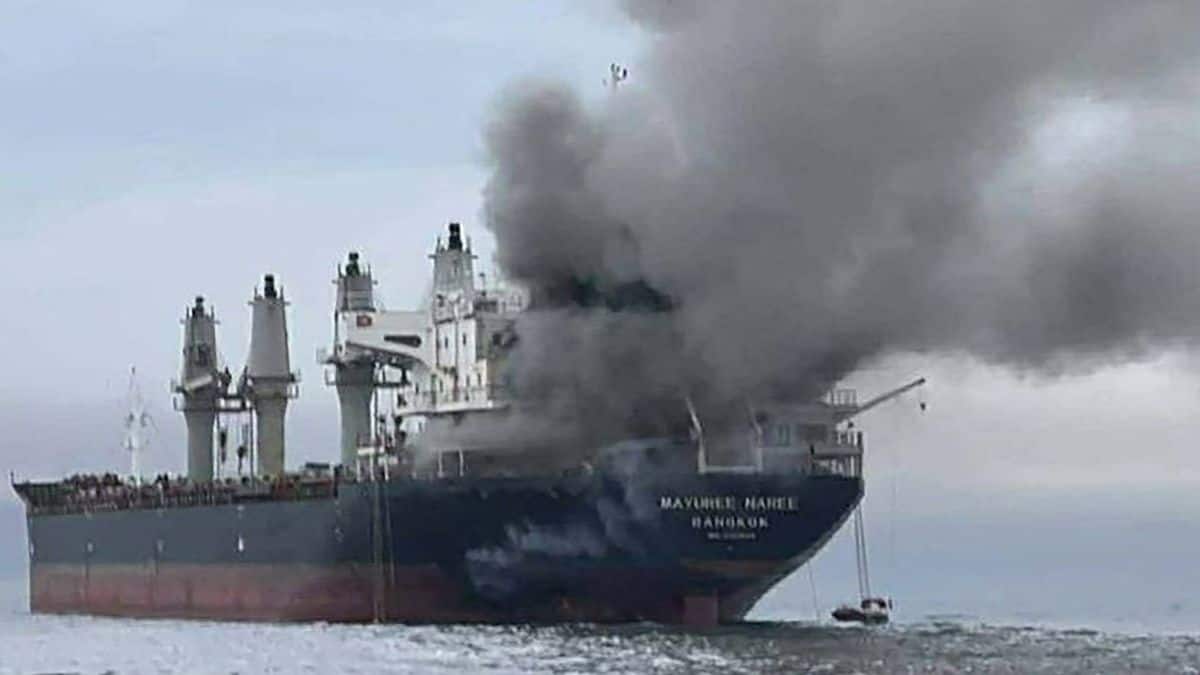
Iran's Strait of Hormuz Blockade Threatens Global Oil Supply as Countries Seek Alternatives
The article discusses the critical situation at the Strait of Hormuz, where Iran's Supreme Leader has vowed to continue blocking the world's
 firstpost.com·2mo ago
Strait of Hormuz Closure May Be Extended, Challenging Previous Assumptions
The article examines the changing perspective on the Strait of Hormuz closure, which was previously assumed to be brief but now appears pote
 lloydslist.com·2mo ago
West Point Analysis: Strait of Hormuz Blockade Disrupts Critical Mineral Supply Chains for US Defense Industry
A West Point Modern War Institute analysis warns that the closure of the Strait of Hormuz is creating a 'paralyzing, real-time problem' for
 theguardian.com·2mo ago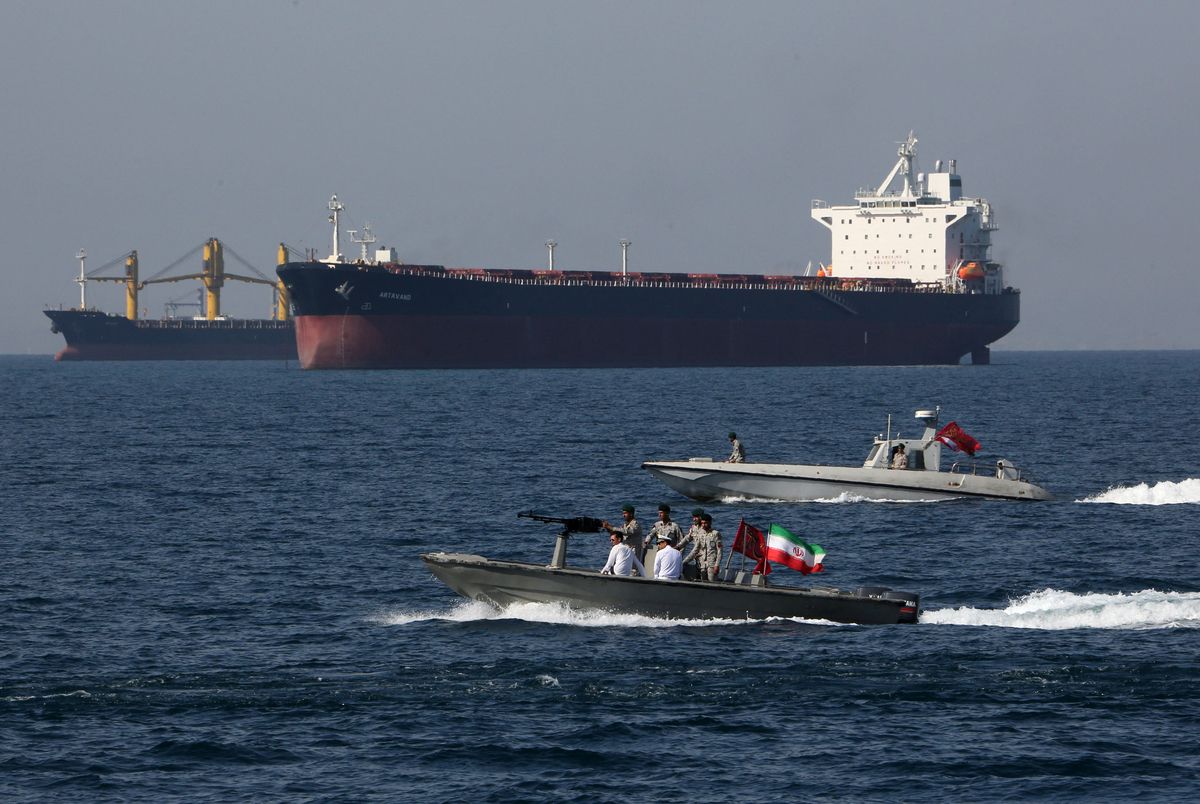
Iran Gains Oil Revenue Advantage as Sole Major Exporter Using Strait of Hormuz
Iran is experiencing a significant increase in oil revenue as it has become the only major oil exporter able to use the Strait of Hormuz fol
 financialpost.com·2mo ago