





















How artificial intelligence could increase the risk of nuclear war by destabilizing deterrence
By
Joshua Keating
Summary
The article explores how artificial intelligence could destabilize nuclear deterrence and increase the risk of nuclear war. It discusses a fictional scenario involving a US-China standoff over Taiwan, where AI systems might misinterpret actions or escalate conflicts faster than humans can control. The piece examines how AI's speed, lack of human judgment, and potential for miscalculation could undermine the careful protocols that have prevented nuclear war since 1945. It argues that the very thing keeping the peace — the threat of mutually assured destruction — could be broken by AI systems that act too quickly or unpredictably.
Source
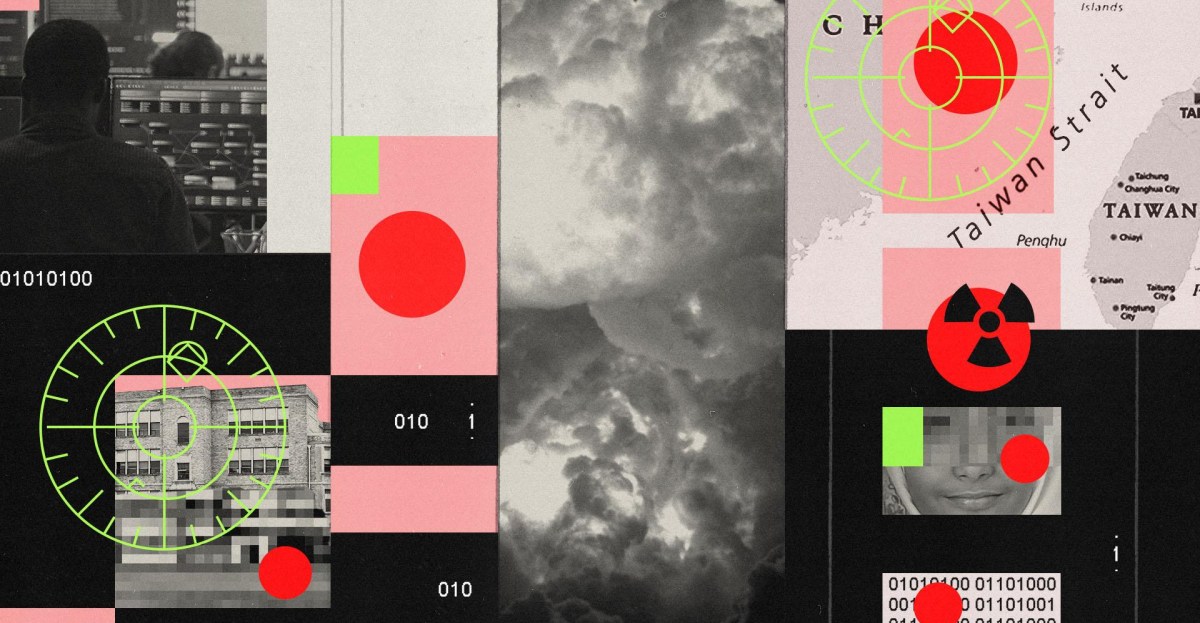
 bskyHow artificial intelligence could increase the risk of nuclear war by destabilizing deterrencevox.com
Key quotes
· 3 pulledIf we showed weakness, Taiwan might be lost to China forever.
We had a plan to prevent World War III. AI could break it.
The Americans were closing in, the situation was getting more dangerous by the minute — and President Xi Jinping was waiting for my recommendation.
You might also wanna read

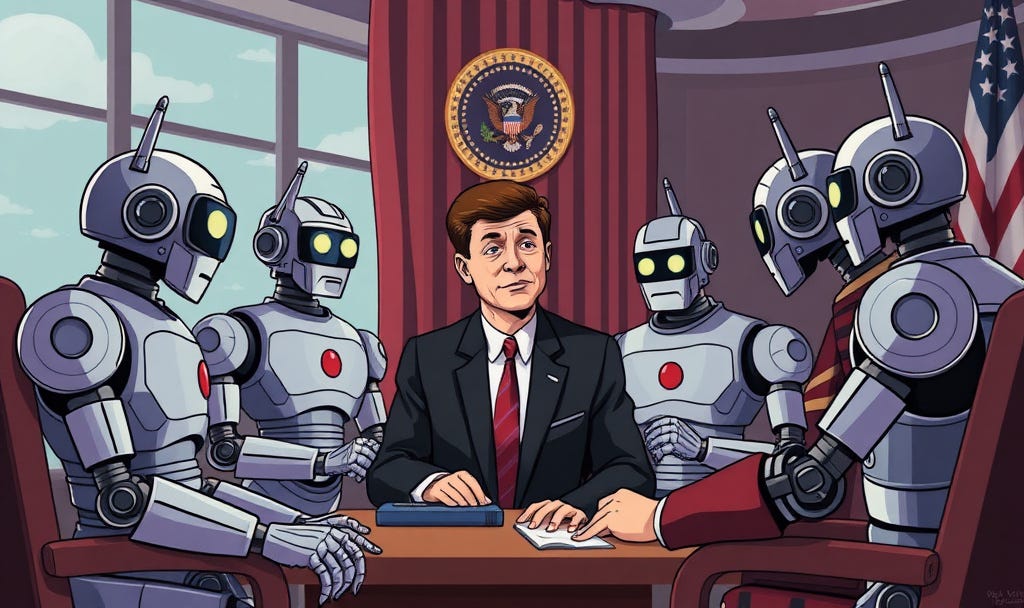
Study finds AI models struggle with nuclear crisis decision-making in simulation
A study examining how Large Language Models (LLMs) perform when placed in simulated nuclear crisis scenarios, drawing parallels to the film
 kennethpayne.uk·8d ago
Study finds AI models struggle with nuclear crisis decision-making in simulation
A study examining how Large Language Models (LLMs) perform when placed in simulated nuclear crisis scenarios, drawing parallels to the film
kennethpayne.uk·8d ago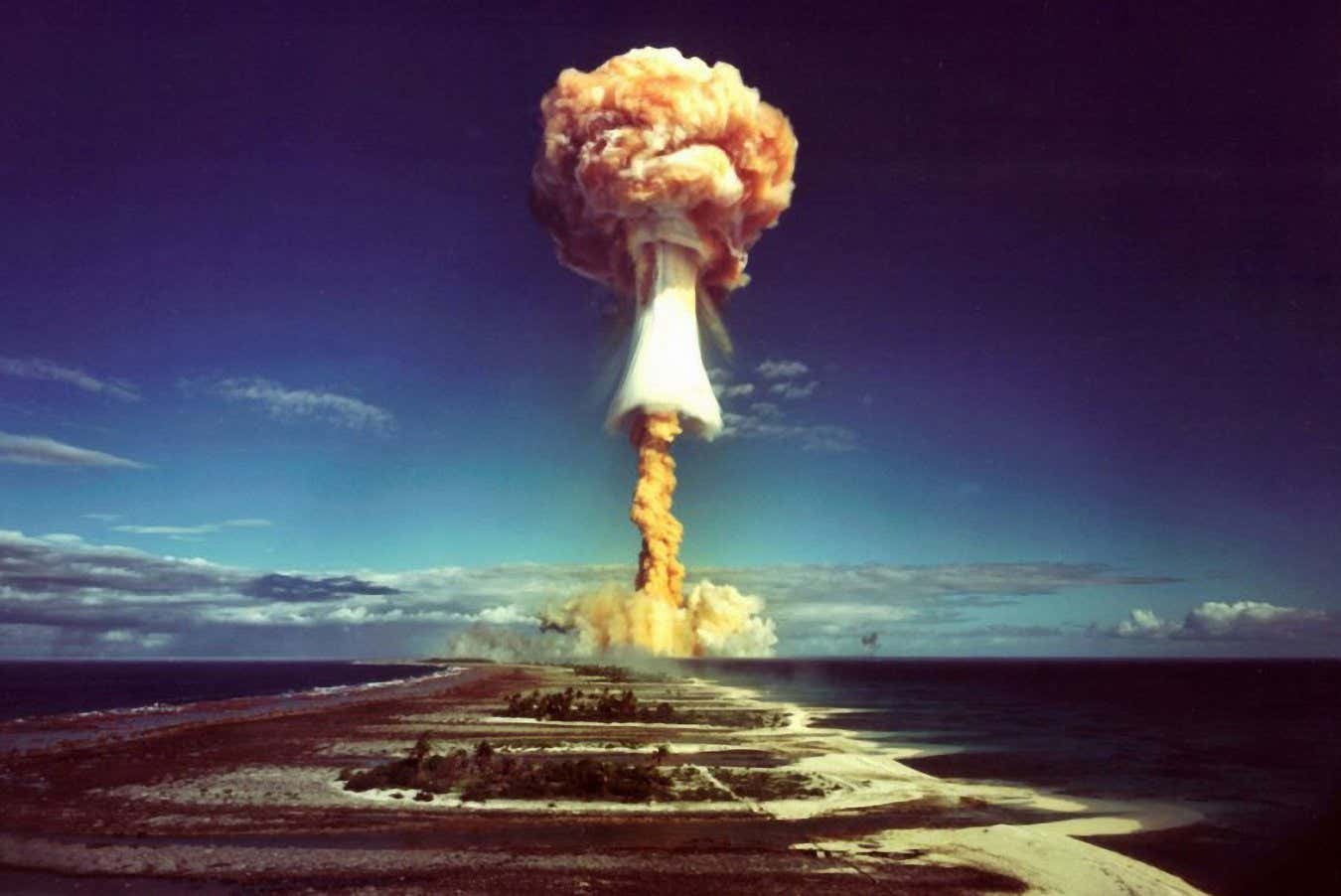
AI Models Show Willingness to Use Nuclear Weapons in 95% of War Game Simulations
A study by Kenneth Payne at King's College London tested three leading AI models (GPT-5.2, Claude Sonnet 4, and Gemini 3 Flash) in simulated
 newscientist.com·3mo ago
AI's Dual Role in Geopolitical Conflicts and Culture Wars
The article discusses how artificial intelligence has become deeply embedded in geopolitical conflicts and culture wars, examining AI's role
 The Verge·3mo ago
PLA-affiliated researchers argue Starlink militarization threatens global strategic stability
Two researchers from the PLA-affiliated National University of Defense Technology argue that Starlink's military applications will negativel
 interpret.csis.org·3mo ago
Superintelligence and Existential Risk: A Talk on How Smart People Overlook Catastrophic Dangers
A talk exploring the concept of superintelligence and existential risks associated with advanced AI development. The speaker draws parallels

Researchers Warn of Poor Security Practices in AI Development
The article discusses the alarming lack of robust security practices in the development and deployment of artificial intelligence (AI), as h
 scworld.com·10mo ago