





















How to Use Google's Hidden Search Features and Alternative Engines for Better Results
By
Hana Lee Goldin, MLIS

Slow-proofed and worth the wait. Worth its weight in flour.
Summary
Google's search results have evolved from a simple list of links to an AI-powered system that increasingly keeps users on Google's own pages. The article reveals that nearly 60% of Google searches end without a click-through to external websites, and AI Overviews have reduced clicks by 58%. It introduces a "reference desk" framework — 40 Google features (like site: operator, verbatim mode, date range filters, reverse image search, and Google Scholar) that power users can leverage to get precise answers. The piece also covers alternative search engines (DuckDuckGo, Kagi, Brave Search, Marginalia) that offer features Google won't, and provides a structured methodology for advanced search techniques.
Key quotes
· 3 pulledNearly 60% of Google searches end without anyone clicking through to a website, and the trend has accelerated since.
By February 2026, Ahrefs found that queries triggering AI Overviews now see a 58% reduction in clicks.
Google has been systematically inserting itself between you and the original source.
You might also wanna read


9 Google Search alternatives for users who want traditional links instead of AI Overviews
The article explores alternatives to Google Search for users frustrated with AI Overviews and AI Mode. The author, who is not anti-AI but va
 zdnet.com·5h ago
The Growing Demand for an Escape Hatch from Google's AI Search Overhaul
The article discusses Google's declining search quality due to its push toward AI overviews and chatbots, and the growing demand for alterna
 tedium.co·16h ago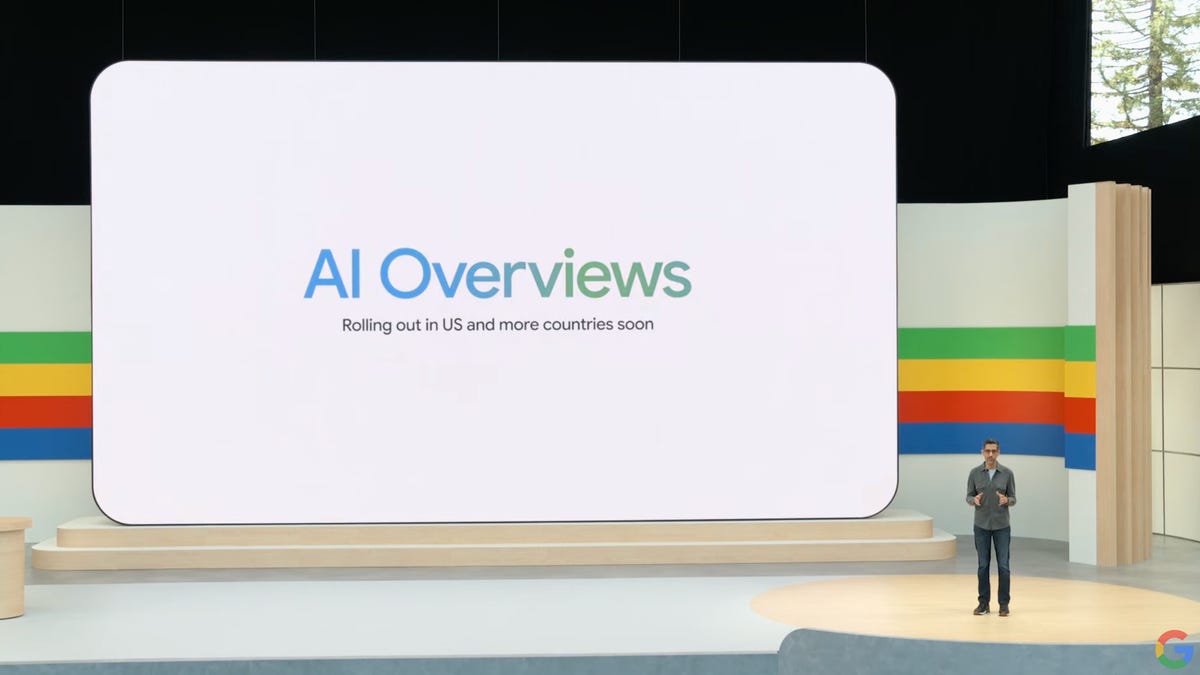
How to Disable Google's AI Overviews and Restore Classic Search Results
Google's AI Overviews have been rolled out to all US users, replacing the traditional search results with AI-generated summaries. The articl
 cnet.com·1d ago
Google to Add More Source Links and Explanations to AI Search Feature
Google is updating its AI-powered search feature, AI Mode, to include more in-line links to sources and AI-generated snippets explaining why
 The Verge·5mo ago
Google Now Uses AI to Generate and Replace News Headlines in Search Results
Google is now using AI to generate and replace original news headlines in its search results, moving beyond its Google Discover feed to affe
The Verge·2mo ago
Google Introduces AI-Powered 'Web Guide' for Enhanced Search Results
Google has introduced 'Web Guide,' a new AI-powered search feature that reorganizes traditional search results by grouping links and finding
The Verge·10mo ago