





















Go Programming Language Celebrates 16th Anniversary with Recent 1.24 and 1.25 Releases
By
0xedb

If you only eat one bagel today, this is the bagel.
Summary
The article celebrates the 16th anniversary of the Go programming language's open source release, highlighting recent developments including Go 1.24 and 1.25 releases. It discusses the language's progress in building production systems, new APIs for robust software, security advances, and under-the-hood improvements. The piece also acknowledges industry shifts from generative AI while emphasizing Go's continued relevance and productivity focus.
Key quotes
· 4 pulledWe released Go 1.24 in February and Go 1.25 in August, following our now well-established and dependable release cadence.
Continuing our mission to build the most productive language platform for building production systems, these releases included new APIs for building robust and reliable software.
Significant advances in Go's track record for building secure software, and some serious under-the-hood improvements.
Meanwhile, no one can ignore the seismic shifts in our industry brought by generative AI.
You might also wanna read

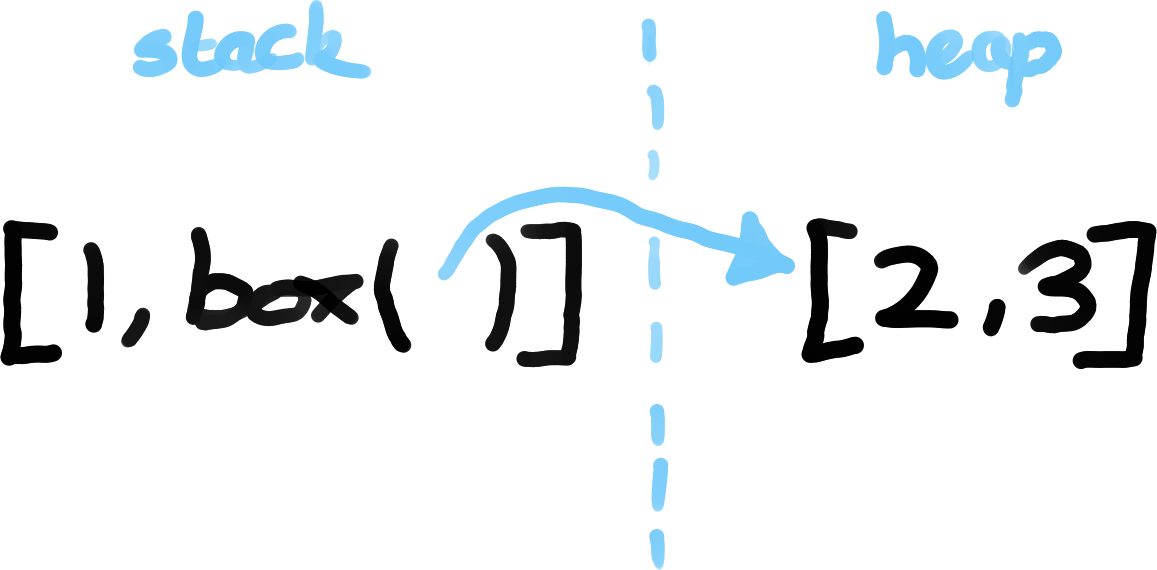
Dynamic Borrow-Checking in a Toy Programming Language: Implementing Rust-like Memory Safety Without Static Types
This article presents a demonstration of a toy programming language that implements borrow-checking without static type-checking. The langua
 scattered-thoughts.net·1mo ago
C++26 Standard Draft Finalized with Reflection, Memory Safety, Contracts, and New Concurrency Framework
The C++26 standard draft has been completed, introducing major new features including reflection capabilities that allow C++ to describe its
 infoq.com·1mo ago
Understanding Fil-C: A Simplified Model of Memory-Safe C/C++ Implementation
The article presents a simplified model of Fil-C, a memory-safe implementation of C/C++. It explains that while the real Fil-C uses a compil
Sky: An Experimental Elm-Inspired Programming Language That Compiles to Go
Sky is an experimental programming language that combines Go's pragmatism with Elm's elegance to create a fullstack functional programming l
 github.com·1mo ago
Analyzing Rust's Coherence and Orphan Rules: Ecosystem Development Challenges and Proposed Solutions
This article critiques Rust programming language's coherence rules and orphan rules, which prevent implementing traits for types defined in
boxyuwu.blog·2mo ago
SBCL Fibers: Implementation Design for Lightweight Cooperative Threads
This is a draft design document describing the implementation of lightweight userland cooperative threads (called 'fibers') for SBCL (Steel
atgreen.github.io·2mo ago