From Fixed Pricing to Surveillance Pricing: How Personal Data Threatens Market Transparency
By
cainxinth
1mo ago· 10 min readenInsight

100/100
Golden Brown
Bagelometer↗
Pure flour-power. Hearty enough to carry you through lunch.
Score100TypeanalysisSentimentnegative
Summary
The article explores the historical shift from haggling to fixed pricing in retail, tracing this transformation to John Wanamaker's department store innovations in the 1870s. It then examines how modern surveillance pricing threatens to reverse this progress by enabling corporations to use personal data to secretly tailor prices to individual consumers, creating information asymmetries that undermine market transparency.
Key quotes
· 4 pulledBefore the 1870s, retail goods rarely carried fixed prices. Instead, haggling was the norm.
At the grand opening, each item in the sprawling store was affixed with a conspicuous label declaring a non-negotiable price.
For over a century, fixed prices have made markets more transparent.
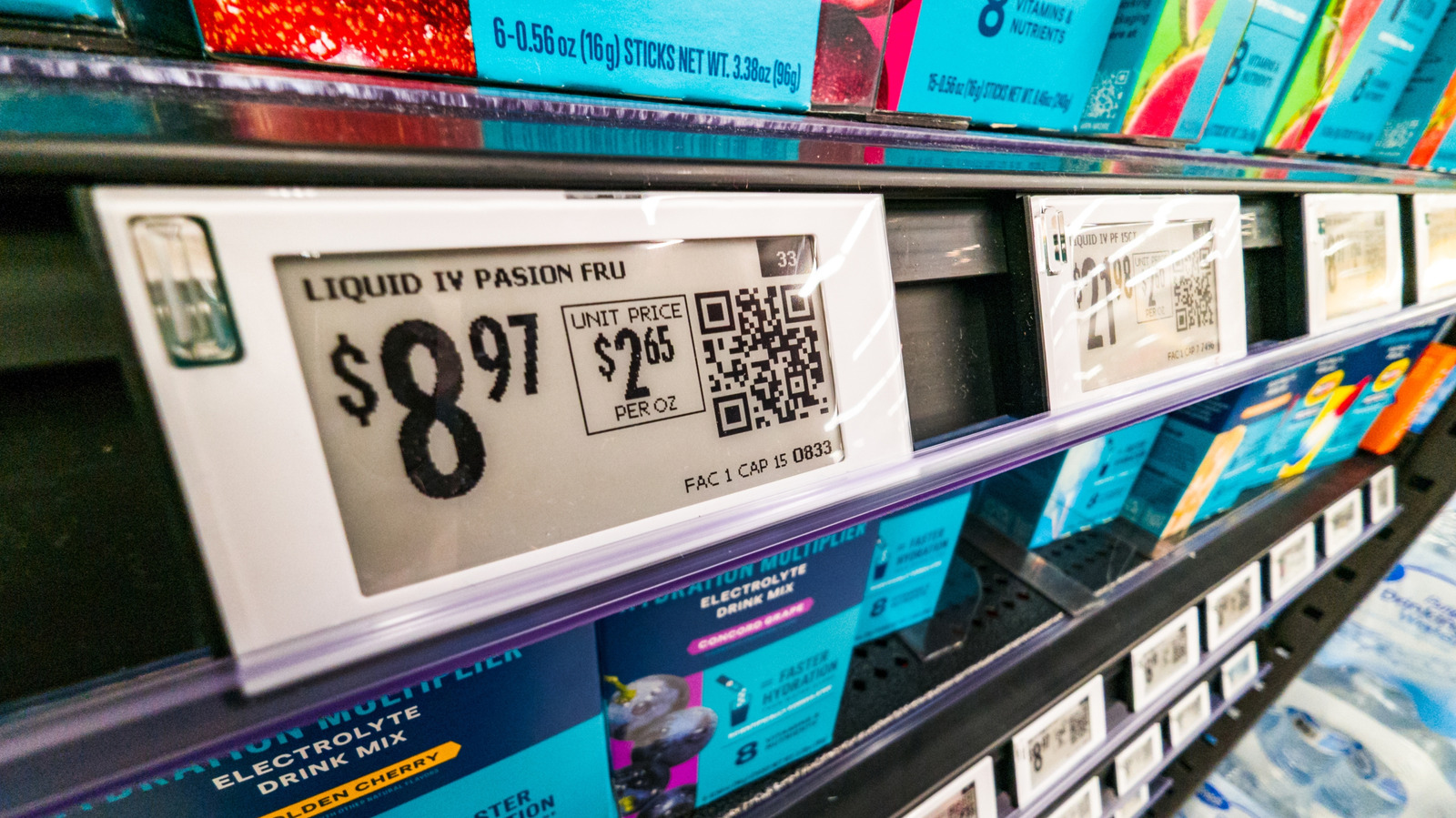
Surveillance pricing threatens to reverse that progress by allowing corporations to secretly tailor prices using personal data.
For over a century, fixed prices have made markets more transparent. Surveillance pricing threatens to reverse that progress by allowing corporations to secretly tailor prices using personal data.