





















Financial Incentives and Public Safety: Examining Blood Plasma Donation Centers' Impact on Crime Reduction
By
surprisetalk

The kind of bagel that ruins lesser bagels for you.
Summary
The article discusses the role of financial incentives in public safety through blood plasma donation centers and their potential impact on crime reduction in the United States.
Key quotes
· 3 pulledThe United States is one of the few OECD countries to pay individuals to donate blood plasma and is the most generous in terms of remuneration.
The opening of a local blood plasma donation center has been linked to a decrease in crime rates in the surrounding area.
Financial incentives provided for blood plasma donation may have a positive effect on public safety and crime reduction.
You might also wanna read


Genomic test trial suggests hormone therapy alone may be sufficient for low-risk breast cancer patients
A groundbreaking genomic test trial suggests that breast cancer patients with low test scores could be treated with hormone therapy alone, a
 apple.news·51m ago
Study finds bird masturbation is natural behavior, not caused by captivity stress
A study on masturbation among birds, particularly parrots, finds that the behavior is natural and more common in the wild than in captivity.
 theguardian.com·52m ago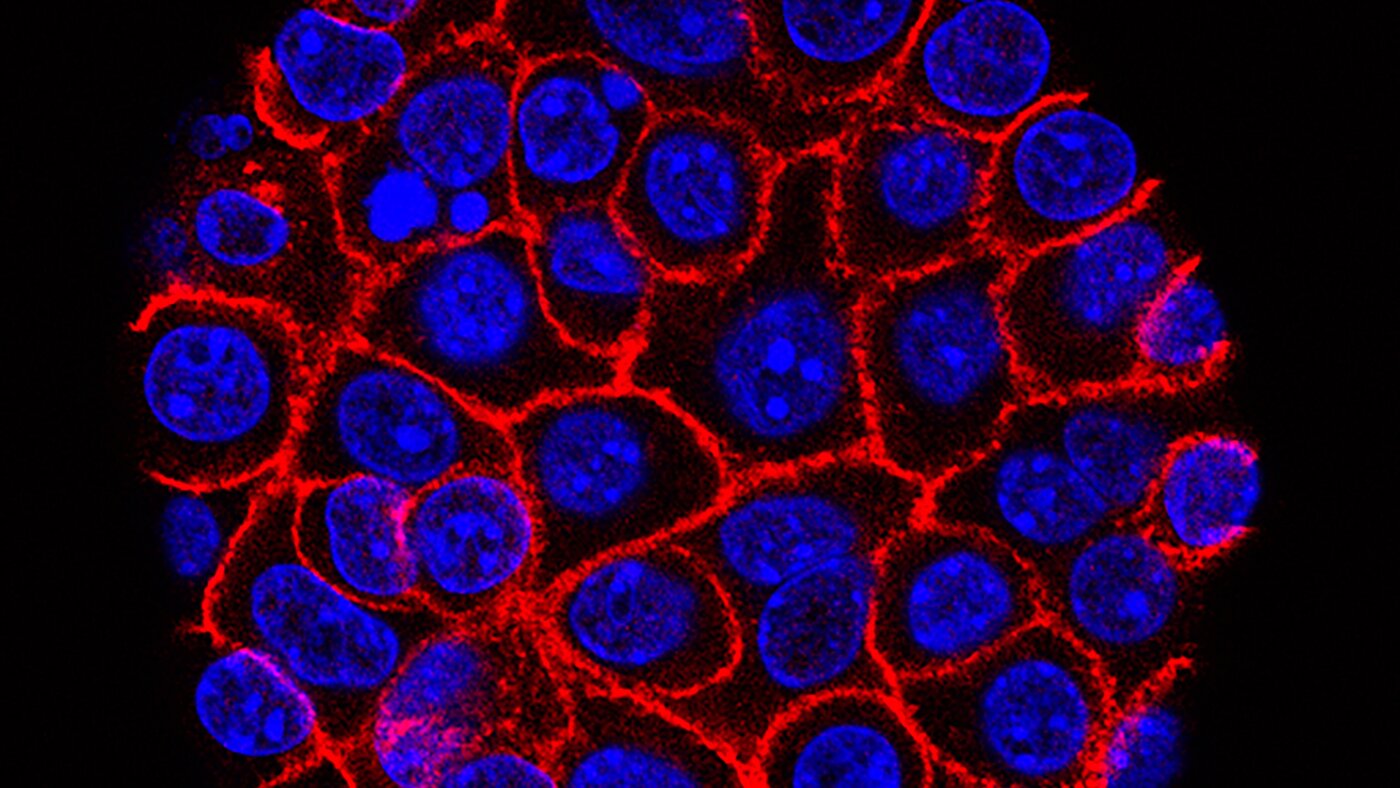
Experimental pill daraxonrasib extends survival in advanced pancreatic cancer patients, study finds
Researchers reported that daraxonrasib, a novel experimental pill, helped patients with advanced pancreatic cancer live longer by blocking a
 npr.org·58m ago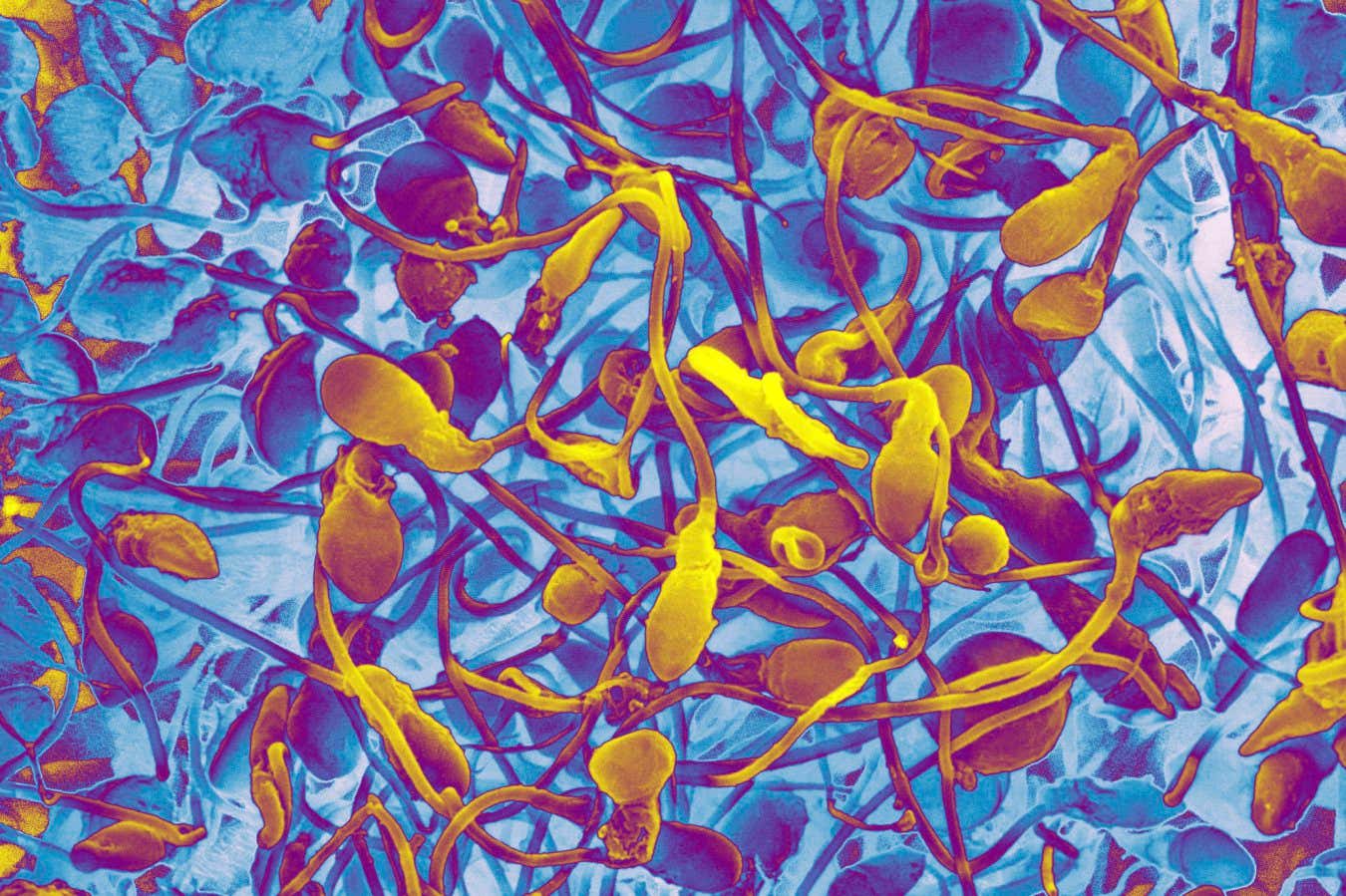
Lab-grown sperm from stem cells could help infertile men, but may require gene editing
A US start-up called Paterna Biosciences claims it can take stem cells from men's testes and grow them into sperm cells in the lab, potentia
 newscientist.com·1h ago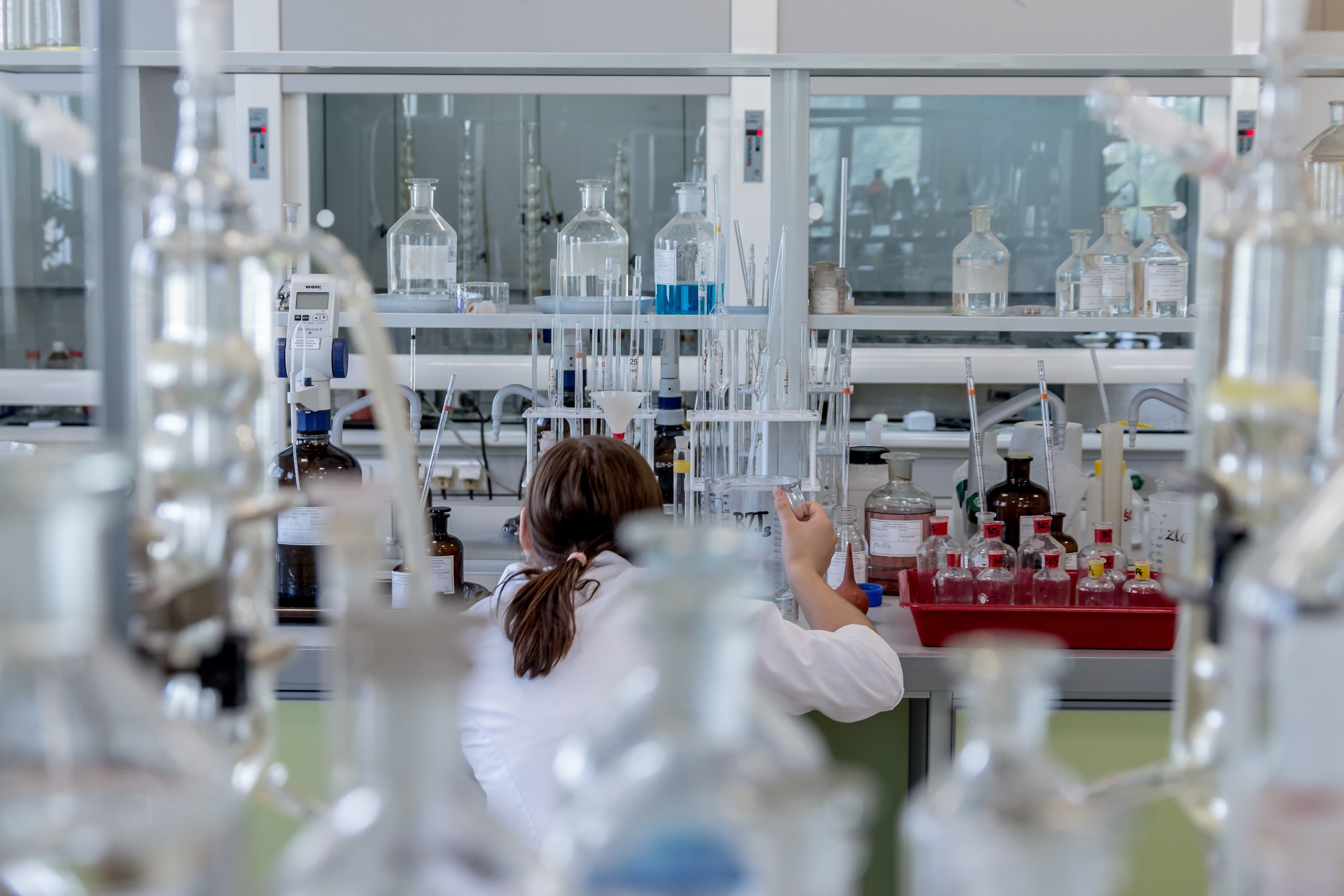
Dutch organizations secure €5 billion in Horizon Europe research funding
Dutch organizations participating in the EU's Horizon Europe program have collectively secured €5 billion in European funding for research a
 ioplus.nl·2h ago
Spinach-derived photosynthetic treatment shows promise for dry eye disease
Scientists at the National University of Singapore have developed an experimental treatment for dry eye disease that uses photosynthetic mac
 biotechniques.com·2h ago