





















Experimental Simulation of Emergent Complexity Using Graph-Rewriting Automata
By
znah

A good honest bake. Not flashy, but you'll finish the whole bagel.
Summary
An experimental simulation exploring emergent complexity through graph-rewriting automata, inspired by Paul Cousin's work. The project demonstrates how simple rules can generate complex graph structures through autonomous evolution.
Key quotes
· 2 pulledAn experimental simulation of emergent complexity, inspired by Paul Cousin's work on Graph-Rewriting Automata.
Autonomous Demo
You might also wanna read

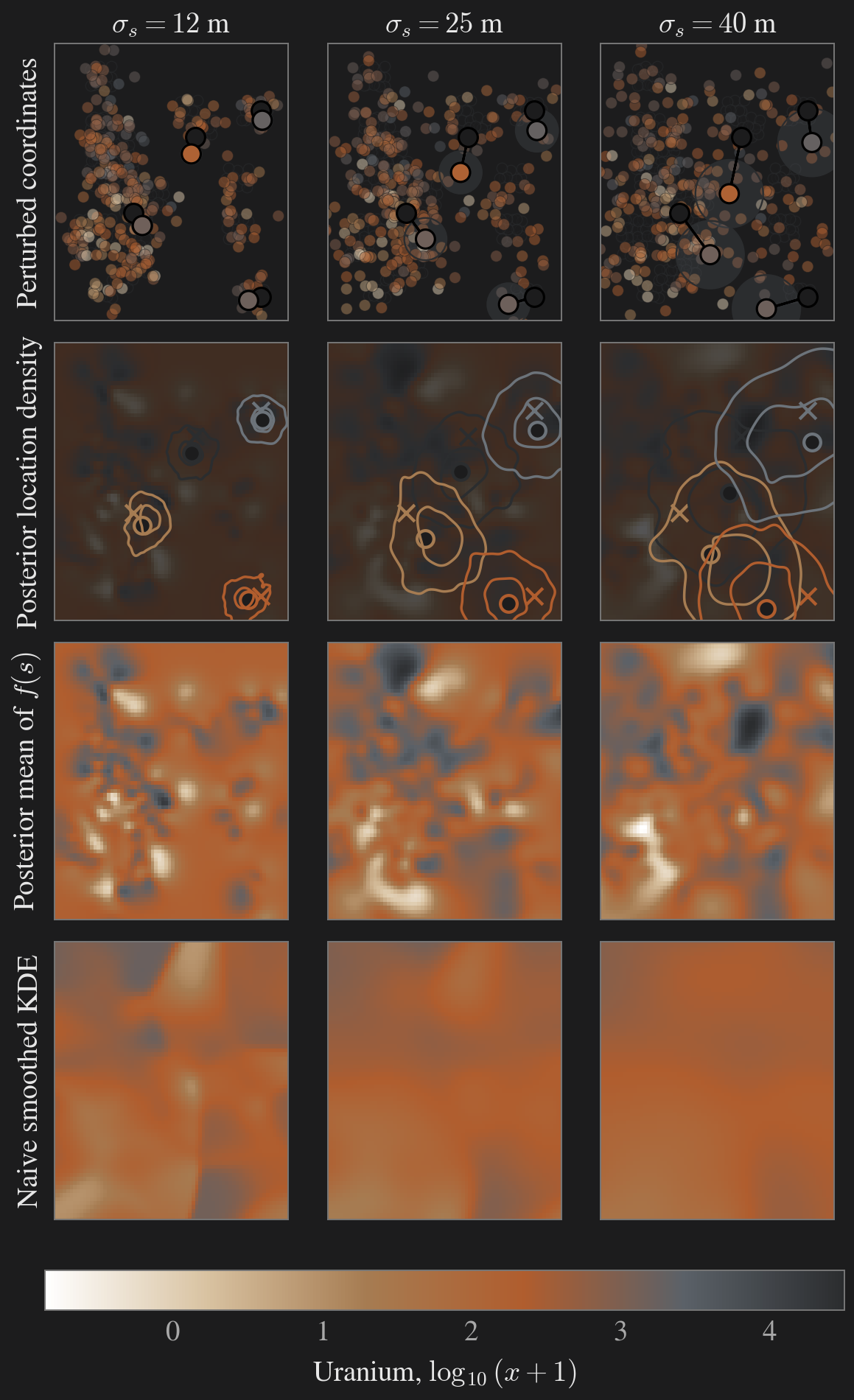
Bayesian Gaussian Process Modeling for Uncertain Spatial Coordinates Using PyMC
This article discusses the use of Bayesian spatial probability models, specifically Gaussian processes (GPs), for handling data with uncerta
 christopherkrapu.com·7d ago
Cleve Moler, MATLAB Creator and MathWorks Cofounder, Dies at 86
Cleve Moler, cofounder of MathWorks and creator of the MATLAB programming language, passed away on May 20, 2026, at age 86. Moler was a math
 mathworks.com·10d ago
ERA: A tree-search-based scientific coding tool for computational discovery
ERA (Empirical Research Assistance) is a versatile tool for scientific coding that can search scientific literature, write code, explore sol
 research.google·12d ago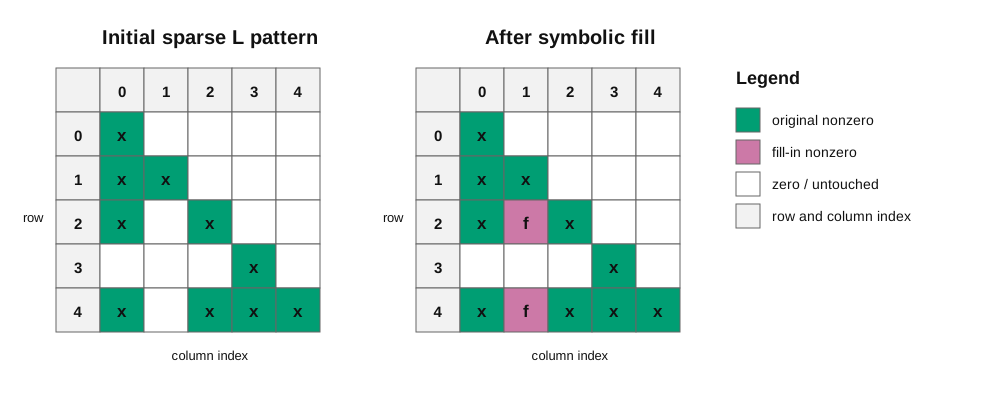
Deriving the Sparse Cholesky Elimination Tree for Matrix Factorization
This article provides a technical derivation of the elimination tree for the right-looking sparse Cholesky algorithm (A = LL^T) for sparse m
Rethinking Scientific Elegance: When Complex Systems Require Billions of Parameters
The article explores the evolution of scientific understanding from mystical explanations to concise physical laws, and questions whether ou
 worldgov.org·2mo ago
GitHub Repository: 300-Line Implementation of Computational Life Research on Self-Replicating Programs
This article describes a GitHub repository containing a 300-line code reproduction of computational life research, where self-replicating pr
 github.com·2mo ago