





















Examining Effect Systems in Programming Languages: Benefits and Implementation Challenges
By
SchwKatze

Master baker tier. Every paragraph earns its place on the tray.
Summary
This article presents a detailed examination of effect systems in programming languages through a hypothetical conversation between two language designers, Emmett and Pratik. The discussion explores the purported benefits of effect systems, their implementation challenges, and whether they should be included in general-purpose programming languages. The conversation covers topics like algebraic effects, effect handlers, type systems, developer experience, and compares effect systems to existing approaches like monads and exceptions. The designers debate practical considerations including learning curves, tooling support, and whether the benefits justify the complexity for mainstream adoption.
Key quotes
· 5 pulledEffect systems are supported by newer languages such as Unison, Koka and Flix. They are related to some research coming out of the functional programming community.
The conversation explores the purported benefits of effect systems, and the pros and cons of supporting them in a general purpose language.
Common ground between the designers includes understanding of effect systems as a way to track and control side effects in functional programming.
The discussion likely covers topics like algebraic effects, effect handlers, type systems, and developer experience considerations.
Practical considerations include learning curves, tooling support, and whether the benefits justify the complexity for mainstream adoption.
You might also wanna read


Zig's Minimalist Standard Library Philosophy vs. C++'s Perpetual Maintenance Burden
The article discusses the philosophy behind the Zig programming language's intentionally small standard library, contrasting it with C++'s a
 vinniefalco.com·3mo ago
Critical Analysis of Zig Programming Language's Design Choices and Memory Safety Approach
This opinion piece critically examines the Zig programming language's design choices, particularly focusing on its approach to memory safety
Kefir C compiler development moves to private mode indefinitely
The developer of the Kefir C compiler announces the cessation of public development, transitioning the project to private mode indefinitely.
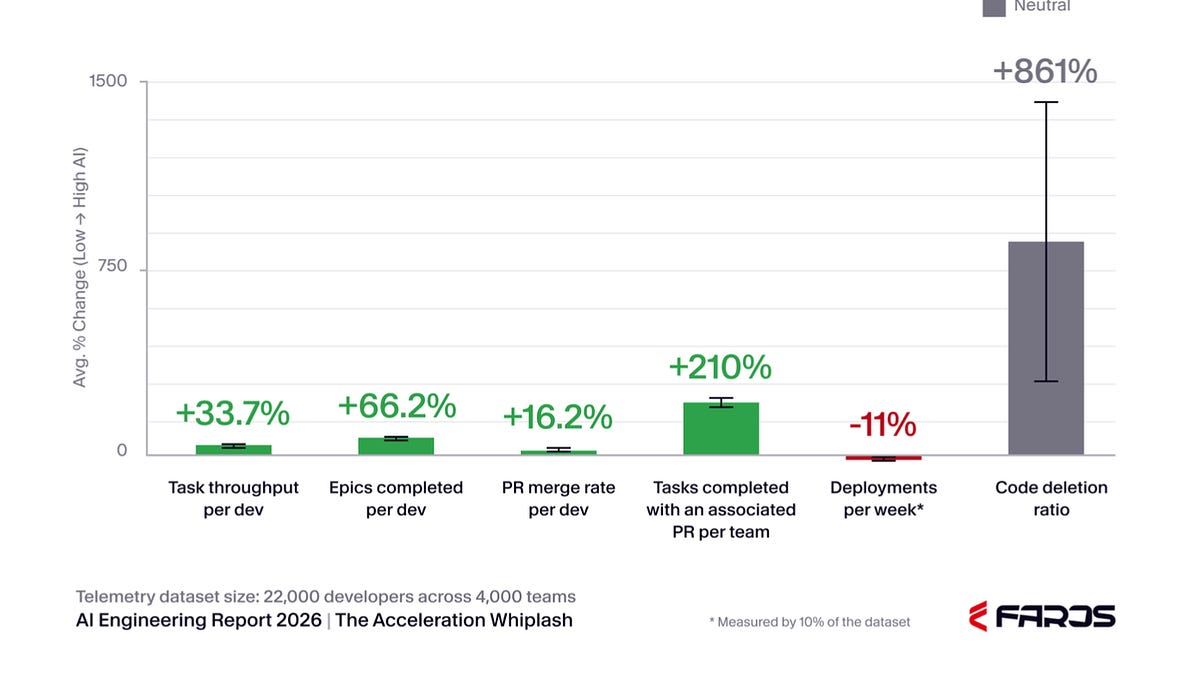
Why Average LLM Use Is Likely Destroying Value in Software Development
The author argues that, contrary to prevailing hype, the average use of Large Language Models (LLMs) is likely destroying value rather than
 unessays.substack.com·20h ago
How AI Accelerated Prototyping: From Idea to Tangible in Record Time
The author reflects on how AI has transformed their prototyping workflow. Previously, the biggest bottleneck was the time needed to scaffold
 darylcecile.net·20h ago
GitLab 19.0 launches with Secrets Manager, agentic workflows, and self-hosted AI models
GitLab 19.0 has been released, positioning itself as an intelligent orchestration platform for DevSecOps. The release includes expanded secr
 bit.ly·1d ago