





















Evolution of Network Server Programming Patterns: From Fork() to Worker Threads
By
tosh

Not artisan, but a perfectly fine bagel. Hits the spot.
Summary
The article discusses a popular network-server programming pattern that has become the canonical approach for writing network servers. It describes a design where the main loop waits for events and dispatches based on file descriptors and their states. The article traces the evolution of this pattern from using fork() to create separate threads for each file descriptor to the modern approach using worker threads that rely on the kernel to schedule file descriptors. The content appears to be an educational or technical explanation of server programming patterns and their historical development.
Key quotes
· 4 pulledThere's a network-server programming pattern which is so popular that it's the canonical approach towards writing network servers
This design is easy to recognise: The main loop waits for some event, then dispatches based on the file descriptor and state that the file descriptor is in
At one point it was in vogue to actually fork() so that each file descriptor could be handled by a different thread
but now 'worker threads' are usually created that all perform the same task and rely on the kernel to schedule file descriptors
You might also wanna read

Optimizing .NET APIs for High Throughput: Techniques for 1M Requests Per Minute
Article discusses techniques for designing high-throughput .NET APIs capable of handling 1M requests per minute. It covers horizontal scalin
 blog.elmah.io·21h ago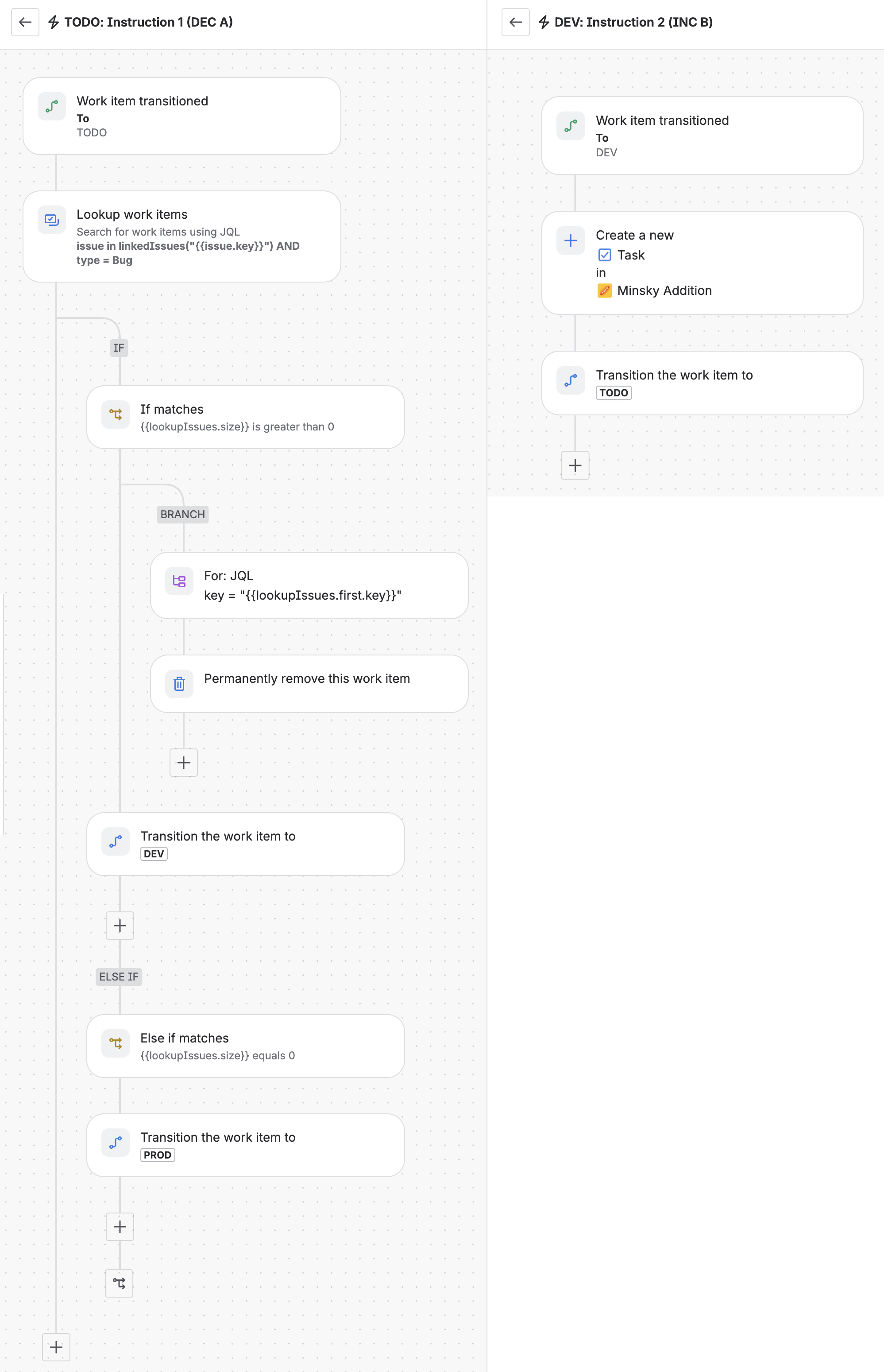
A Formal Proof That Jira Is Turing-Complete via Minsky Machine Implementation
This article provides a formal proof that Jira (Atlassian's project-tracking tool) is Turing-complete by demonstrating how to build a Minsky
A Formal Proof That Jira Is Turing-Complete via Minsky Machine Implementation
This article provides a formal proof that Jira (Atlassian's project-tracking tool) is Turing-complete by demonstrating how to build a Minsky

SQLite as a Viable Alternative for Durable Workflow Execution
The article argues that SQLite can replace complex orchestration systems for durable workflow execution in many cases. It builds on DBOS's a

JWT vs Opaque Tokens: A Technical Comparison for API Security Architecture
This article compares JWT (JSON Web Tokens) and opaque tokens for API security, clarifying the common confusion between bearer tokens and JW
 nordicapis.com·2d ago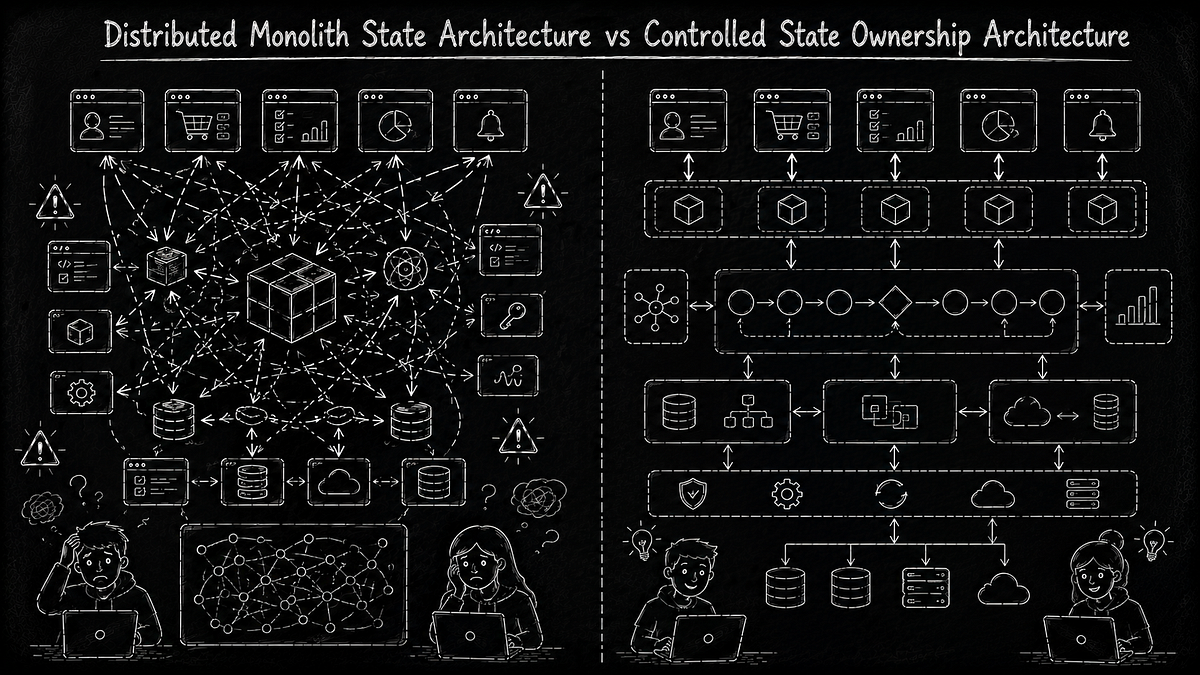
How Frontend State Management Becomes a Distributed Monolith as Apps Scale
This article discusses how frontend state management in growing applications can evolve into a "distributed monolith" — where state becomes
 medium.com·4d ago