





















Evolution of Device Drivers: Adapting to Dynamic Hardware in Unix Systems
By
todsacerdoti

Pure flour-power. Hearty enough to carry you through lunch.
Summary
This article explores the evolution of Unix-based systems over 50+ years, focusing on how device drivers have had to adapt from static, compile-time hardware configurations to dynamic models supporting hotplug capabilities. It examines the challenges drivers face when kernel assumptions about hardware stability are violated, particularly with the introduction of hotplug-capable SCSI controllers in the early 1990s and subsequent hardware innovations that forced operating system designers to rethink fundamental design principles.
Key quotes
· 3 pulledUnix-based systems have been around for more than 50 years now. Although the best design ideas still prevail to this day, the evolution of the computing industry has forced operating system designers to rethink the way they work, multiple times over time.
From a device driver point of view, the most important change was the change from fixed, compile-time hardware configuration, enumerated upon boot and never changing afterwards, to a more dynamic model, where devices can come and go.
storage devices first, with the first hotplug-capable SCSI controllers in the first half of the 1990s
You might also wanna read


Genode: An Open-Source Operating System Framework for Mastering Complexity and Security
Genode is an open-source operating system framework designed to address security problems in modern operating systems by organizing complexi
 genode.org·8mo ago
Optimizing .NET APIs for High Throughput: Techniques for 1M Requests Per Minute
Article discusses techniques for designing high-throughput .NET APIs capable of handling 1M requests per minute. It covers horizontal scalin
 blog.elmah.io·17h ago
SQLite as a Viable Alternative for Durable Workflow Execution
The article argues that SQLite can replace complex orchestration systems for durable workflow execution in many cases. It builds on DBOS's a

JWT vs Opaque Tokens: A Technical Comparison for API Security Architecture
This article compares JWT (JSON Web Tokens) and opaque tokens for API security, clarifying the common confusion between bearer tokens and JW
 nordicapis.com·2d ago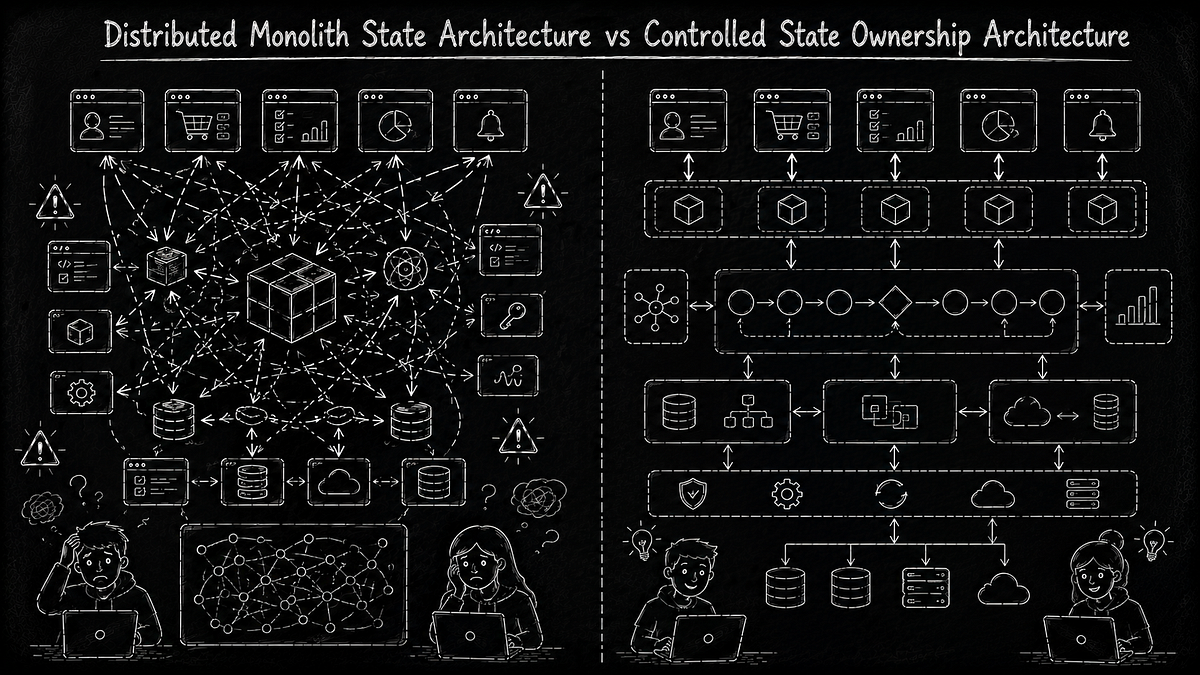
How Frontend State Management Becomes a Distributed Monolith as Apps Scale
This article discusses how frontend state management in growing applications can evolve into a "distributed monolith" — where state becomes
 medium.com·4d ago
A Field Guide to Production-Ready AI Agents: Context Windows, Security, and Drift Monitoring
Karl Mehta presents a field guide for building production-ready AI agents, focusing on four key engineering challenges: context-window disci