





















ESA Research Examines Health Risks of Toxic Lunar Dust for Future Moon Missions
By
cybermango

Kettled twice. Extra chewy, extra trustworthy.
Summary
The article discusses the toxic effects of lunar dust on human health, based on Apollo astronauts' experiences where Moon dust caused throat soreness and eye irritation. It describes how ESA is leading an international research program to study lunar dust toxicity, examining its sharp, abrasive particles that can penetrate deep into lungs and potentially cause serious health issues like inflammation and cancer. The research aims to understand the risks for future Moon missions and develop protective measures.
Key quotes
· 3 pulledWhen the Apollo astronauts returned from the Moon, the dust that clung to their spacesuits made their throats sore and their eyes water.
Lunar dust is made of sharp, abrasive and nasty particles, but how toxic is it for humans?
An ambitious ESA research programme with experts from around the planet is now addressing the health risks of lunar dust.
You might also wanna read


NASA astronaut's sudden speech loss on ISS raises medical concerns for deep space missions
Veteran NASA astronaut Mike Fincke experienced a sudden 20-minute speech loss episode while aboard the International Space Station in Januar
 cnn.com·13h ago
NASA astronaut's sudden speech loss in space raises medical concerns for deep space missions
NASA astronaut Mike Fincke experienced a sudden 20-minute speech loss episode while aboard the International Space Station, prompting concer
cnn.com·2d ago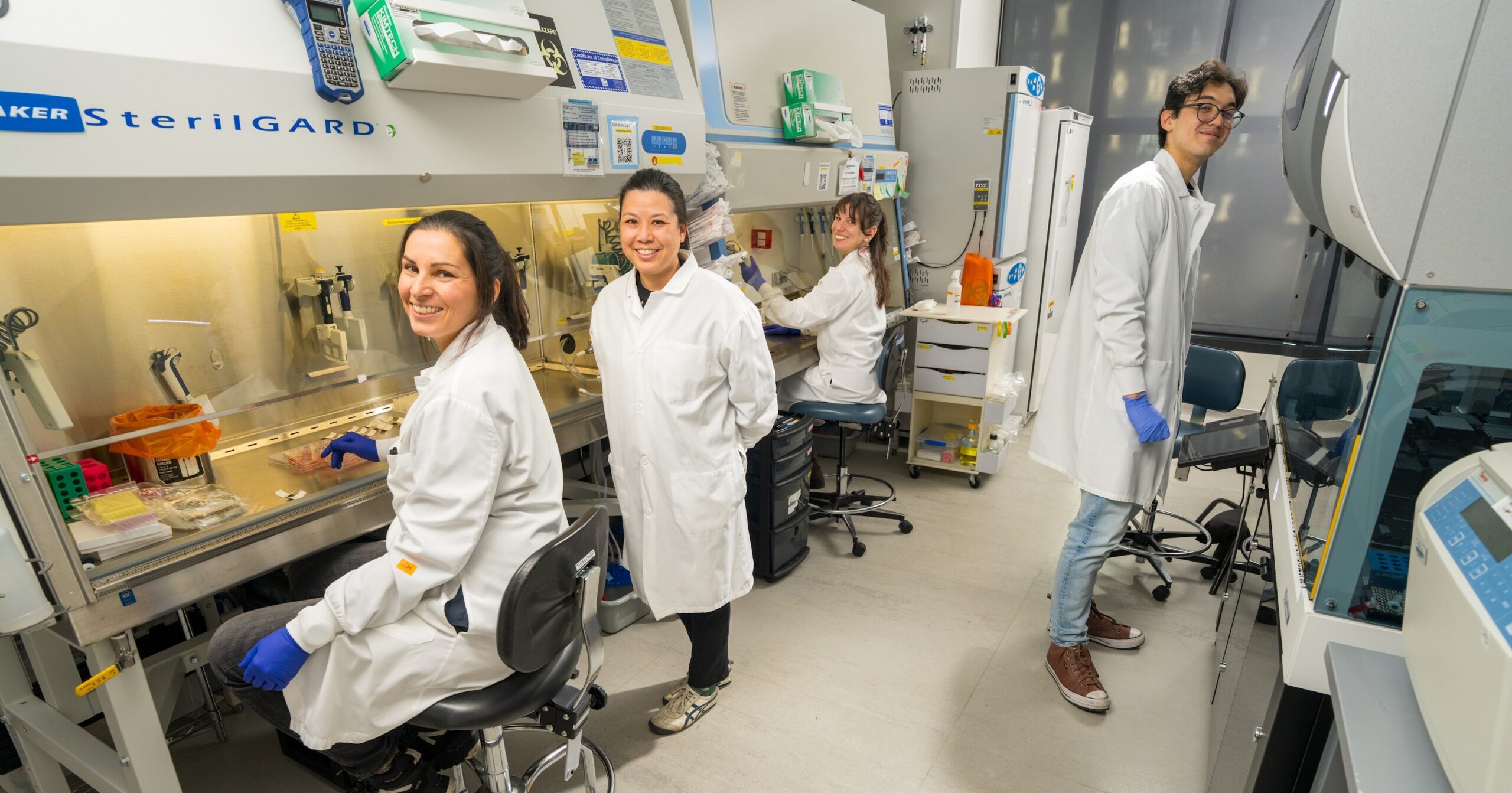
How the CircaVent project aims to destigmatize mental health and advance brain research
An interview with Matthew Woodworth about the CircaVent project at the Wyss Institute, which aims to destigmatize mental health issues and d
 wyss.harvard.edu·4d ago
The Health Risks and Practical Challenges of Human Travel to Mars
The article examines the significant health risks and practical challenges of human travel to Mars, arguing against the romanticized view of
 slate.com·2mo ago
Microbe Chroococcidiopsis Shows Potential to Produce Oxygen from Martian Soil
Scientists have discovered that the extremophile microbe Chroococcidiopsis can grow on materials similar to Martian soil and produce oxygen,
 scienceclock.com·5mo ago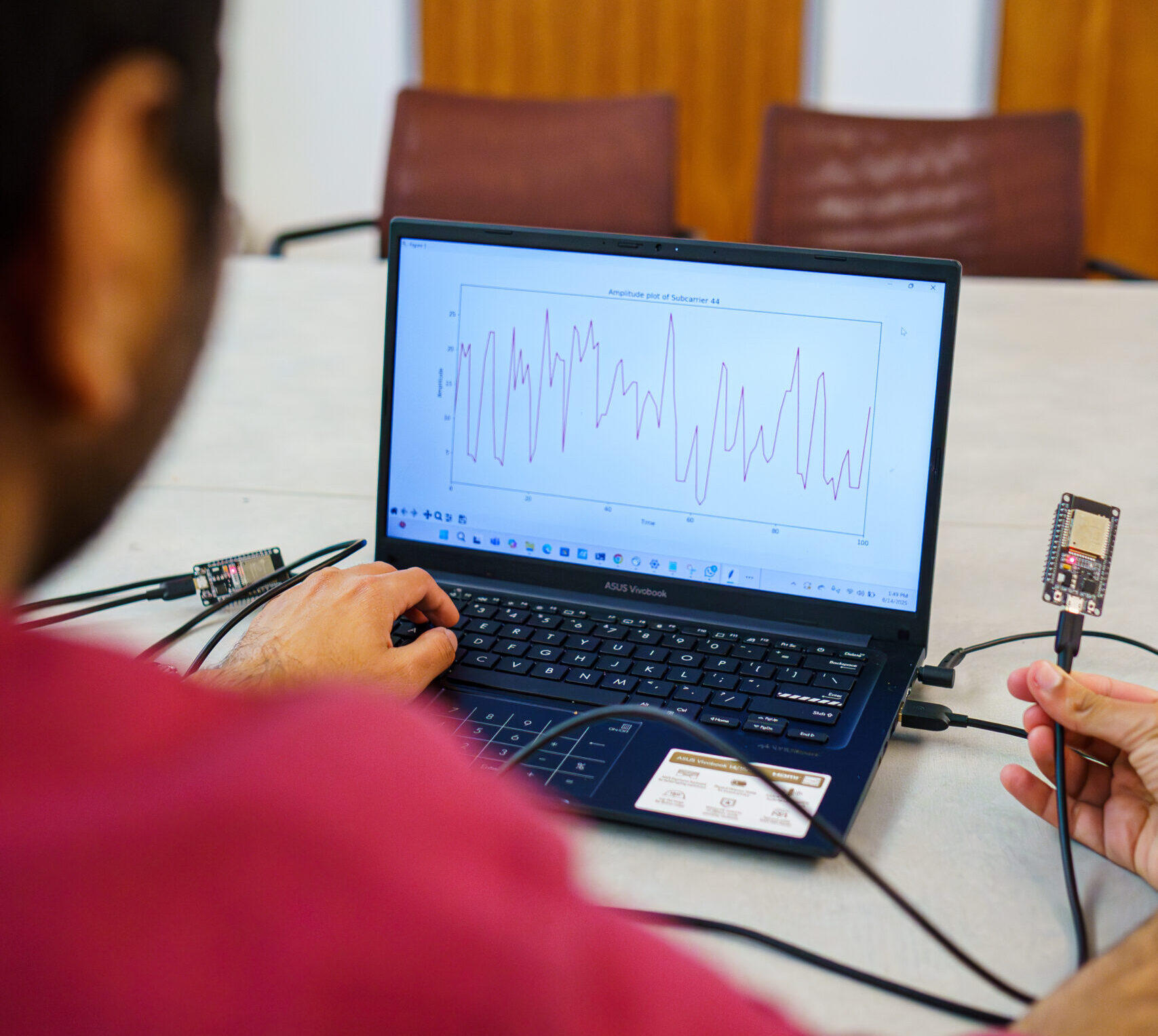
UC Santa Cruz Engineers Develop WiFi-Based Heart Rate Monitoring Without Wearables
Engineers at UC Santa Cruz have developed a method to measure heart rate using standard WiFi signals without any wearable devices. The resea
 news.ucsc.edu·8mo ago