





















Empathy-Centered UX Framework for Building Trust in Mental Health App Design
By
[email protected] (Kat Homan)

An everything bagel for the brain. Substantive, layered, well-seasoned.
Summary
The article presents an empathy-centered UX framework for designing mental health apps, emphasizing that designing for mental health requires designing for vulnerability. It argues that empathy-centered UX is a fundamental requirement, not just a nice-to-have, and provides practical guidance for building trust-first mental health products. The framework addresses how to create digital experiences that support users in vulnerable states, avoiding design patterns that could cause harm or distress.
Key quotes
· 5 pulledDesigning for mental health means designing for vulnerability.
Empathy-Centred UX becomes not a 'nice to have' but a fundamental design requirement.
Here's a practical framework for building trust-first mental health products.
Imagine a user opening a mental health app while feeling overwhelmed with anxiety.
This experience isn't just poor design; it's potentially harmful.
You might also wanna read


What Makes an Interface Feel Great: The Power of Intentional Design
The article explores what makes interfaces feel great, arguing that it's not a single feature but many small details that accumulate. In the
 interfaces.dev·1d ago
Survey: Half of users dissatisfied with Google Health app's redesign and poor UX
A survey reveals that 50% of users are dissatisfied with the new Google Health app, which replaced the Fitbit app with a complete design ove

Google Health roadmap outlines bug fixes and improvements after Fitbit user backlash over redesign
Google Health has replaced the Fitbit app with a major redesign centered around an AI-powered coach, but the rollout has frustrated many Fit
 9to5google.com·4d ago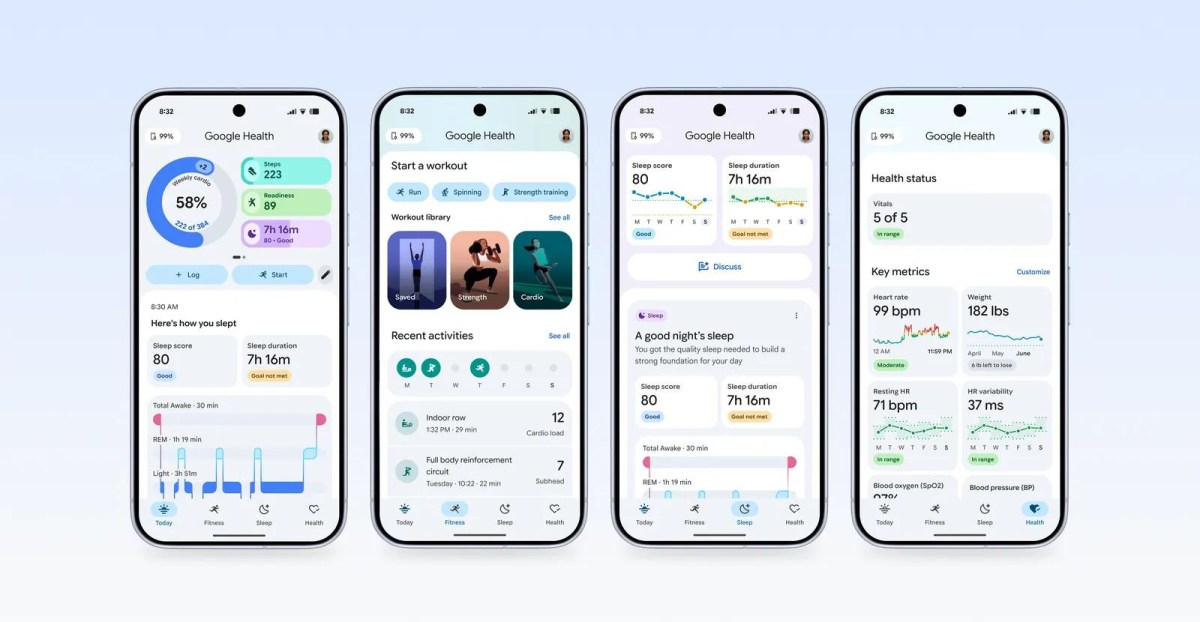
Google Health replaces Fitbit app, users frustrated and demand old app back
Google has officially replaced the Fitbit app with Google Health, coinciding with the launch of the new Fitbit Air. The transition has spark
 theverge.com·4d ago
Why good website design gets killed in the boardroom
A developer reflects on a recurring problem in web design: decision-makers override user-centered design with personal preferences, forgetti
 websmith.studio·1mo ago
Laws of UX: A Collection of User Interface Design Best Practices
Laws of UX is a collection of best practices and principles for user interface designers. The content covers key UX concepts such as the Aes
 lawsofux.com·1mo ago