





















eForth Implementation in C/C++ for Multi-Platform Development
By
lioeters

Kettled twice. Extra chewy, extra trustworthy.
Summary
The article discusses the eForth project, a Forth programming language implementation in C/C++ that runs on multiple platforms including Linux, macOS, Windows, ESP32, and WebAssembly. It explores Forth's relevance today, noting that while Forth lost out to C language in mainstream adoption due to C's broader appeal, standardization, and ecosystem support, the author questions how to encourage C programmers to consider Forth's potential productivity advantages. The article reflects on Forth's niche status and strategies for promoting its adoption among modern developers.
Key quotes
· 5 pulledForth - is it still relevant?
With all the advantages, it is unfortunate that Forth lost out to C language over the years and have been reduced to a niche.
Per ChatGPT: due to C's broader appeal, standardization, and support ecosystem likely contributed to its greater adoption and use in mainstream computing.
So, the question is, how to encourage today's world of C programmers to take a look at Forth.
How do we convince them that Forth can be 10 times more productive?
You might also wanna read

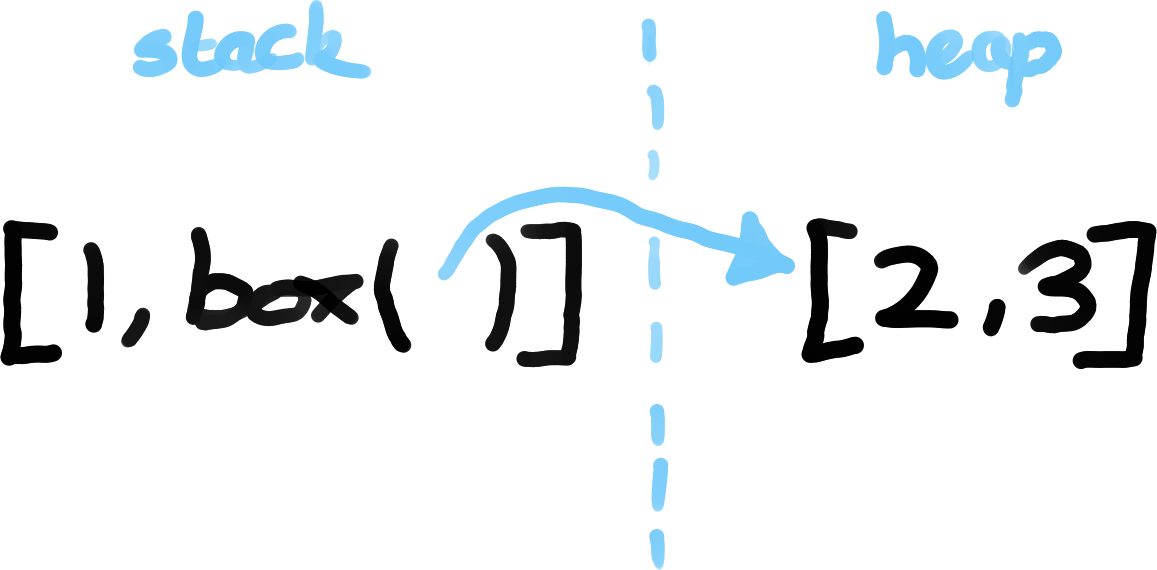
Dynamic Borrow-Checking in a Toy Programming Language: Implementing Rust-like Memory Safety Without Static Types
This article presents a demonstration of a toy programming language that implements borrow-checking without static type-checking. The langua
 scattered-thoughts.net·1mo ago
C++26 Standard Draft Finalized with Reflection, Memory Safety, Contracts, and New Concurrency Framework
The C++26 standard draft has been completed, introducing major new features including reflection capabilities that allow C++ to describe its
 infoq.com·1mo ago
Understanding Fil-C: A Simplified Model of Memory-Safe C/C++ Implementation
The article presents a simplified model of Fil-C, a memory-safe implementation of C/C++. It explains that while the real Fil-C uses a compil
Sky: An Experimental Elm-Inspired Programming Language That Compiles to Go
Sky is an experimental programming language that combines Go's pragmatism with Elm's elegance to create a fullstack functional programming l
 github.com·1mo ago
Analyzing Rust's Coherence and Orphan Rules: Ecosystem Development Challenges and Proposed Solutions
This article critiques Rust programming language's coherence rules and orphan rules, which prevent implementing traits for types defined in
boxyuwu.blog·2mo ago
SBCL Fibers: Implementation Design for Lightweight Cooperative Threads
This is a draft design document describing the implementation of lightweight userland cooperative threads (called 'fibers') for SBCL (Steel
atgreen.github.io·2mo ago