





















EFF Urges Supreme Court to Prevent ISP Internet Termination Based on Copyright Accusations
By
walterbell

Fresh out the oven, still warm. Top of the tray.
Summary
The Electronic Frontier Foundation (EFF) has filed an amicus brief urging the Supreme Court to reverse a lower court ruling that could force internet service providers to terminate users' internet access based solely on accusations of copyright infringement. The EFF argues this would threaten innocent users who rely on broadband for essential daily activities and would effectively turn ISPs into copyright police without proper due process protections.
Key quotes
· 3 pulledIf the Supreme Court doesn't reverse a lower court's ruling, internet service providers (ISPs) could be forced to terminate people's internet access based on nothing more than mere accusations of copyright infringement.
This would threaten innocent users who rely on broadband for essential aspects of daily life.
Among other things, the Supreme Court approving the decision would turn ISPs into copyright police.
You might also wanna read


UN declares child online safety an 'urgent priority,' calls for tech accountability
The UN has declared protecting children online an 'urgent priority,' with UN rights chief Volker Turk calling on states to hold tech giants
 thestar.com.my·1d ago
FCC's Proposed DRM-Based ATSC Standard Threatens Public Access to Free Broadcast Airwaves
The article warns about an FCC proposal to implement a DRM-based standard (ATSC Transition) for digital television that would give a private
 eff.org·2d ago
Norwegian digital ID system: Success in digitalization, failure in accessibility and oversight
Professor Marte Eidsand Kjørven's research on digital identity management in Norway reveals a dual reality: while solutions like BankID have
 uio.no·2d ago
Age verification for social media bans threatens privacy for all users
Australia's decision to restrict social media access for children under 16 has sparked global debate, with similar proposals being discussed
 techcentral.co.za·2d ago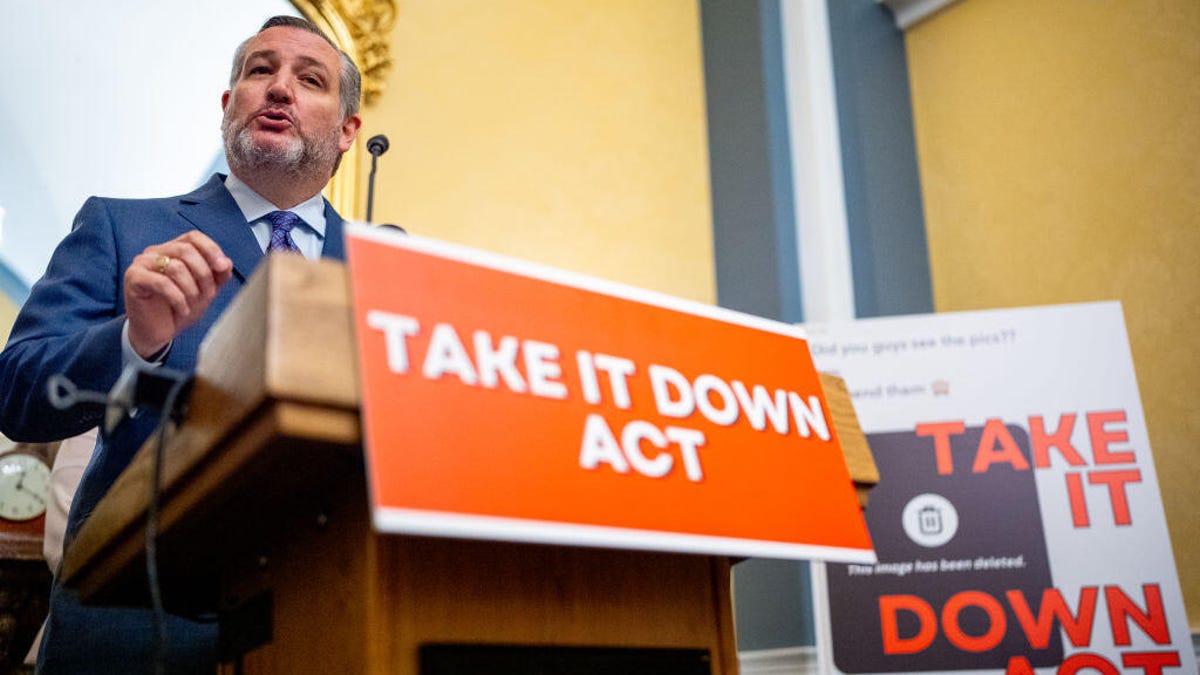
Take It Down Act Now Enforced: Legal Requirement for Platforms to Remove Nonconsensual Intimate Images
The Take It Down Act, signed into law in 2025 and now fully enforced, requires online platforms to implement processes for removing nonconse
 cnet.com·4d ago
Frustration grows over stalled digital rights and privacy advocacy progress
The article discusses the lack of progress in digital rights and privacy advocacy, expressing frustration that the anticipated "digital righ
 discuss.privacyguides.net·4d ago