





















7,000-year-old headless skeletons found in Slovakian settlement ditch, likely part of burial ritual
By
Kristina Killgrove

Kettled twice. Extra chewy, extra trustworthy.
Summary
Archaeologists in Slovakia discovered a ditch containing 7,000-year-old headless human skeletons at the entrance to a Stone Age settlement. While cut marks indicate decapitation, researchers believe this was not a violent mass killing but rather a complex burial ritual. The heads were removed after death, possibly as part of funerary practices, and the bodies were placed in a settlement ditch. The exact purpose of this ritual remains unknown, baffling archaeologists.
Key quotes
· 2 pulledThe mass burial of skeletons in the settlement ditch (below) with drawings of the individual skeletons (above).
While the bones reveal cut marks that signal decapitation, researchers think the practice was not a violent mass killing but rather part of a complex burial ritual more than 7,000 years ago.
You might also wanna read

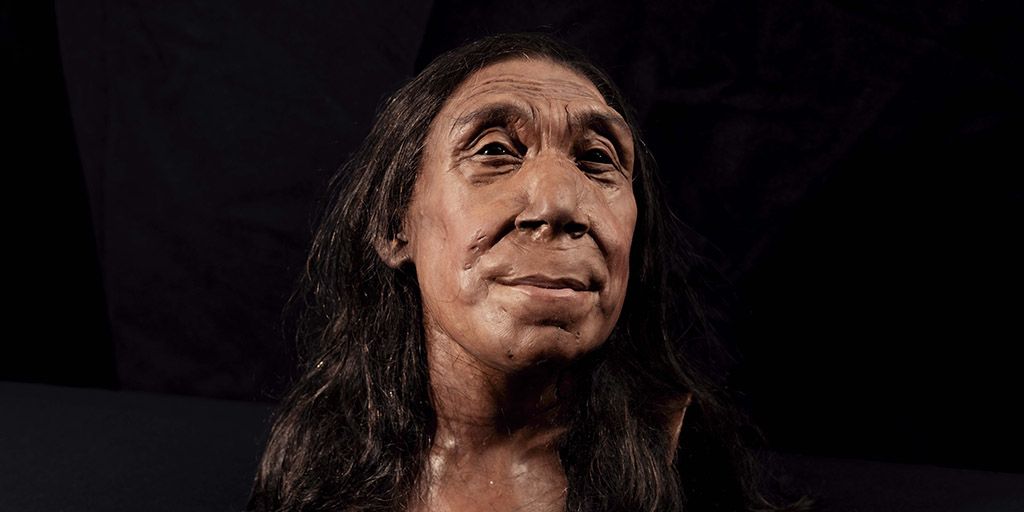
Archaeologists Reconstruct Face of 75,000-Year-Old Female Neanderthal from Iraqi Cave Burial Site
Archaeologists have reconstructed the face of a 75,000-year-old female Neanderthal named Shanidar Z, whose skull was discovered in a cave in
 cam.ac.uk·2mo ago
Million-Year-Old Skull Discovery May Rewrite Timeline of Modern Human Origins
A million-year-old human skull discovered in China, previously classified as Homo erectus, has been reanalyzed using sophisticated reconstru
 theguardian.com·8mo ago
60,000-Year-Old Arrow Tips Reveal Earliest Evidence of Poison Use for Hunting
Researchers have discovered 60,000-year-old poison residues on arrow tips found in South Africa, pushing back the timeline for when humans b
 nytimes.com·5mo ago
Archaeological Study Reveals Complex Plant-Based Diets of Prehistoric Europeans Through Pottery Residue Analysis
Archaeological research analyzing pottery residues from prehistoric European sites reveals complex plant-based diets and cooking practices.
 arstechnica.com·3mo ago
The Discovery of an Ancient Skull in Chad Sparks a Feud Among Scholars
In 2001, a palaeontologist discovered an ancient skull in Chad, sparking a bitter feud among scholars over humanity's origins. The fossilize
theguardian.com·1y ago
Study suggests Neanderthals may have practiced primitive dentistry 59,000 years ago
A new study published in PLOS One suggests that Neanderthals may have practiced primitive dentistry. Researchers analyzed a 59,000-year-old
 Defector·26d ago