





















Defending C++: Addressing Common Criticisms of the Programming Language
By
todsacerdoti

Hot, fresh, and worth queueing round the block for.
Summary
This article defends C++ against common criticisms, arguing that while the programming language is complex and has a steep learning curve, these features provide power and flexibility that make it valuable for performance-critical applications. The author addresses criticisms about complexity, memory management challenges, and the language's ability to enable programming errors, while highlighting C++'s strengths in performance, control, and relevance in modern development.
Key quotes
· 3 pulledC++ has often and frequently been criticized for its complexity, steep learning curve, and most of all for its ability to allow the developers using it to not only shoot themselves in the foot, but to blow off their whole leg in the process.
C++ is indeed a complex language, with a vast array of features and capabilities.
But do these criticisms hold up under scrutiny?
You might also wanna read

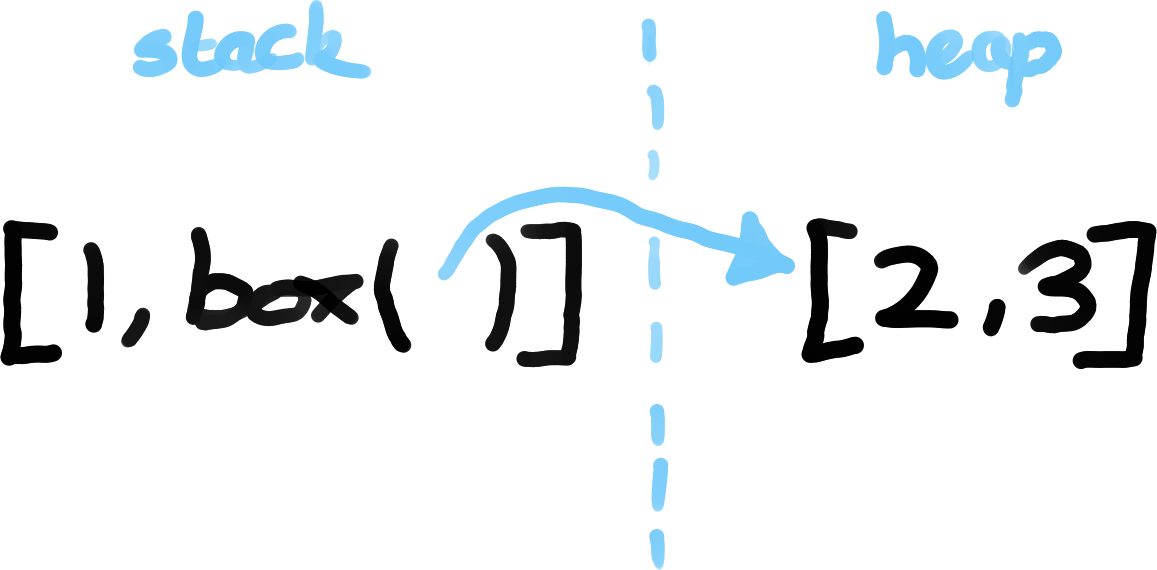
Dynamic Borrow-Checking in a Toy Programming Language: Implementing Rust-like Memory Safety Without Static Types
This article presents a demonstration of a toy programming language that implements borrow-checking without static type-checking. The langua
 scattered-thoughts.net·1mo ago
C++26 Standard Draft Finalized with Reflection, Memory Safety, Contracts, and New Concurrency Framework
The C++26 standard draft has been completed, introducing major new features including reflection capabilities that allow C++ to describe its
 infoq.com·1mo ago
Understanding Fil-C: A Simplified Model of Memory-Safe C/C++ Implementation
The article presents a simplified model of Fil-C, a memory-safe implementation of C/C++. It explains that while the real Fil-C uses a compil
Sky: An Experimental Elm-Inspired Programming Language That Compiles to Go
Sky is an experimental programming language that combines Go's pragmatism with Elm's elegance to create a fullstack functional programming l
 github.com·1mo ago
Analyzing Rust's Coherence and Orphan Rules: Ecosystem Development Challenges and Proposed Solutions
This article critiques Rust programming language's coherence rules and orphan rules, which prevent implementing traits for types defined in
boxyuwu.blog·2mo ago
SBCL Fibers: Implementation Design for Lightweight Cooperative Threads
This is a draft design document describing the implementation of lightweight userland cooperative threads (called 'fibers') for SBCL (Steel
atgreen.github.io·2mo ago