





















Correspondence Between Richard Feynman and Former Student on Coherence Theory Research
By
jxmorris12

Solid neighbourhood-bakery energy. Trustworthy and warm.
Summary
The article discusses a correspondence between Richard Feynman and his former student, Koichi Mano, regarding Mano's current research on the Coherence theory and its applications to electromagnetic wave propagation through turbulent atmosphere.
Key quotes
· 2 pulledstudying the Coherence theory with some applications to the propagation of electromagnetic waves through turbulent atmosphere… a humble and down-to-earth type of problem.
I was very happy to hear from you, and that you have such a position in the Research Laboratories.
You might also wanna read


King's College London seeks Research Associate for epigenetic study of Parkinson's and Alzheimer's
King's College London is hiring a Research Associate to investigate epigenetic regulation in neurodegenerative diseases like Parkinson's and
 dementiaresearcher.nihr.ac.uk·59m ago
CompleteRXN: A Method for Filling Gaps in Open Chemical Reaction Databases
This academic paper from Delft University of Technology researchers addresses the problem of incompleteness in chemical reaction datasets li
 arxiv.org·2h ago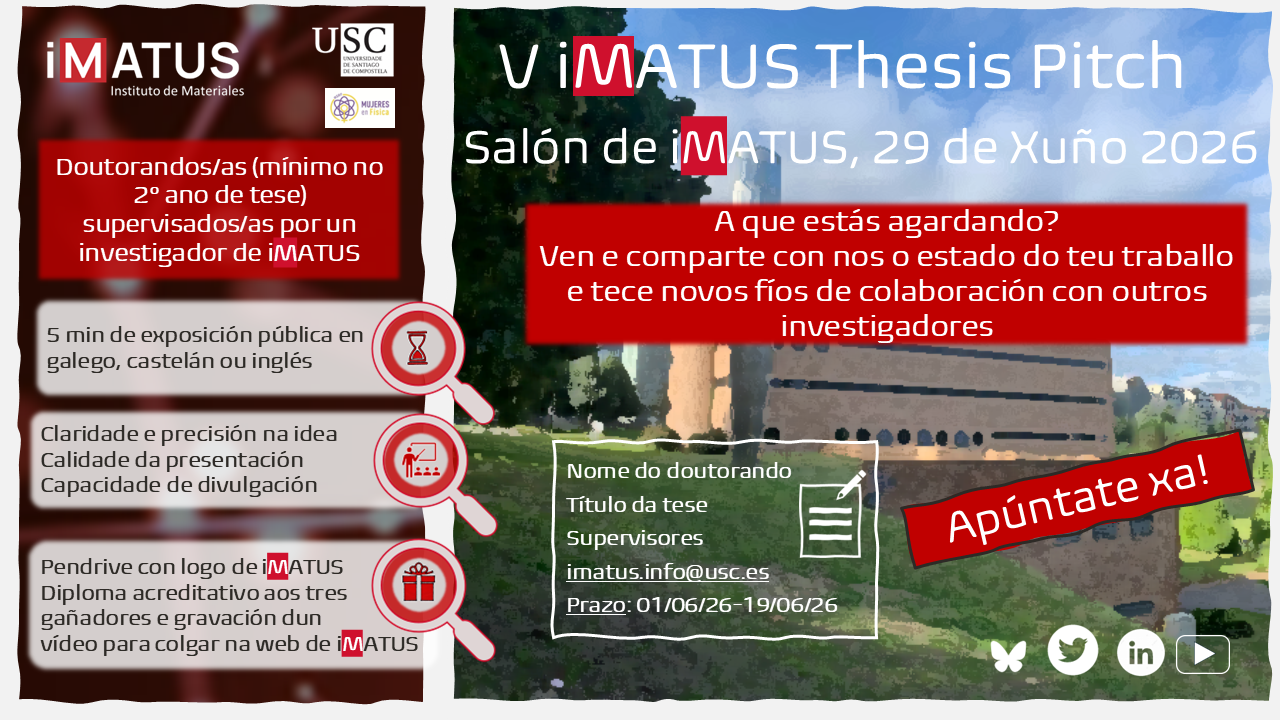
iMATUS anuncia a quinta edición do seu Thesis Pitch para doutorandos en xuño de 2026
O iMATUS organiza a quinta edición do iMATUS Thesis Pitch, un evento onde estudantes de doutoramento vinculados ao instituto presentan a súa
 imatus.usc.es·3h ago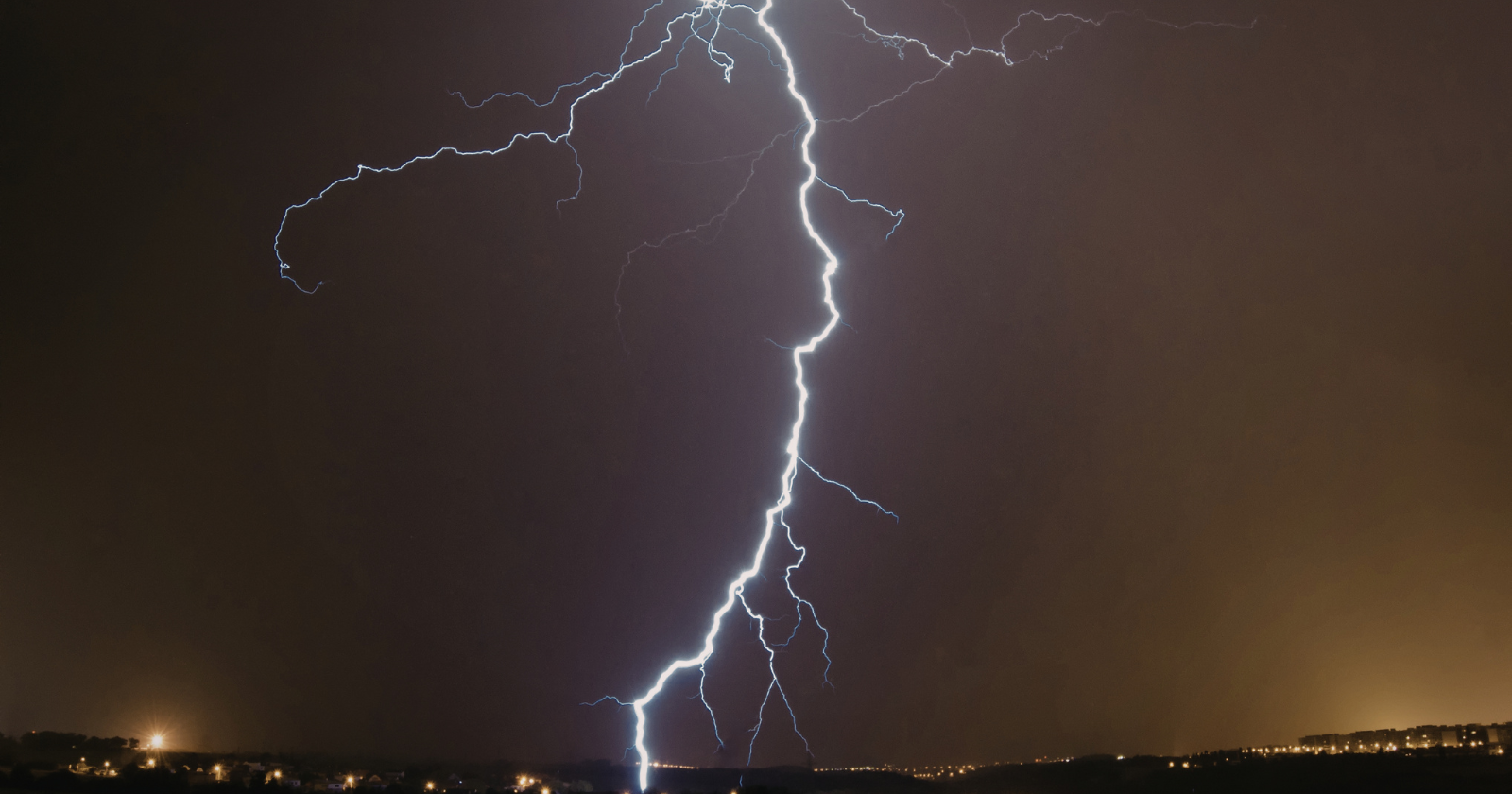
Lightning's temperature is roughly five times hotter than the Sun's surface, NOAA confirms
This article examines the claim that lightning heats the air to five times the temperature of the Sun's surface. It confirms that the US Nat
 spacedaily.com·7h ago
Study examines how defoliation affects carbohydrate reserves and reproduction in mango trees
This scientific study investigates how non-structural carbohydrate (NSC) reserves in mango trees support fruit development and buffer source
 doi.org·10h ago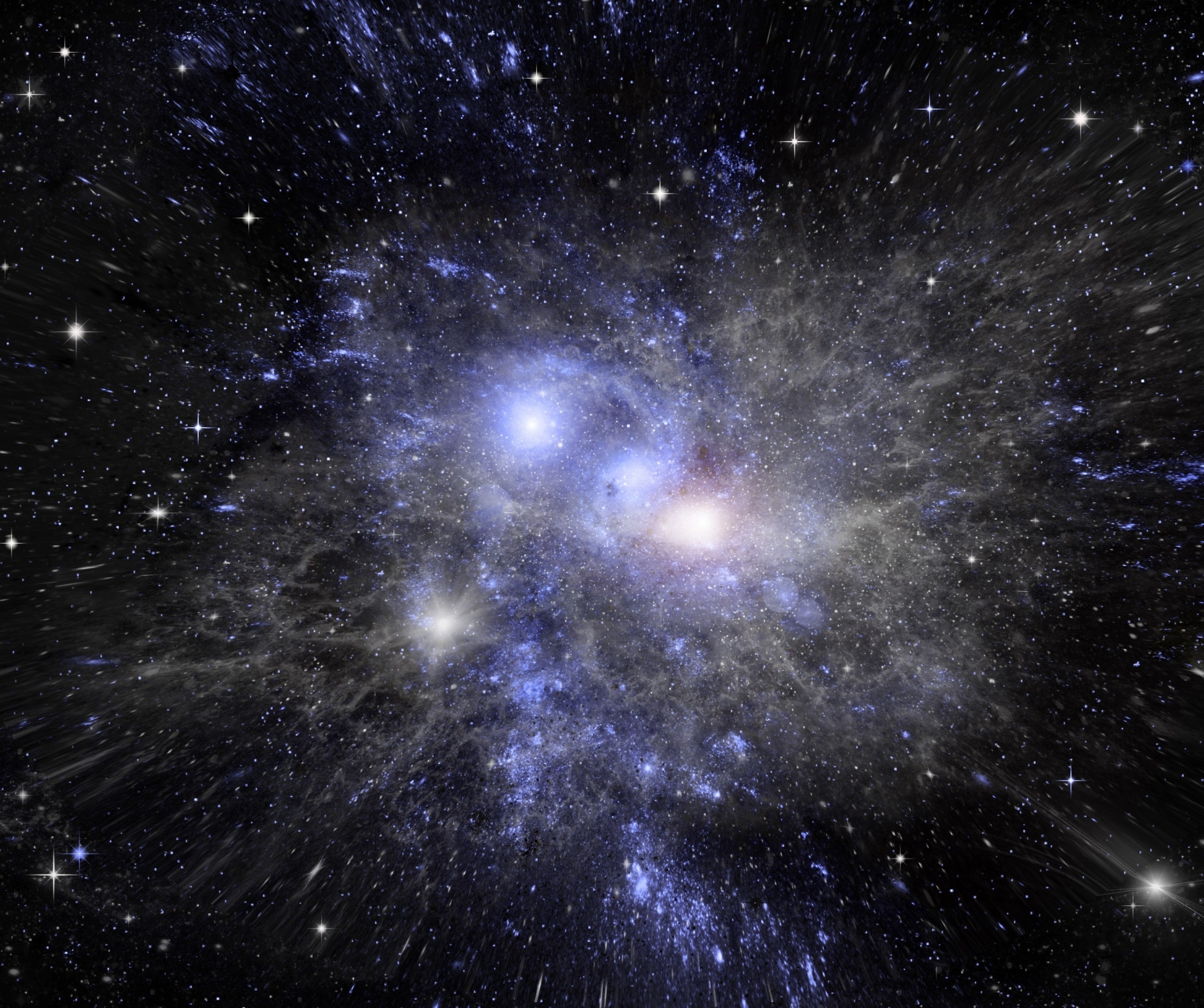
Mathematicians challenge dark energy model, suggesting cosmic acceleration may arise naturally from Einstein's equations
A team of mathematicians challenges the long-standing dark energy model, arguing that the model it was designed to rescue was never mathemat
 earth.com·10h ago