





















CompleteRXN: A Method for Filling Gaps in Open Chemical Reaction Databases
By
C. Blanco, N. Pauliks, F. Donati, N. Engberg, and J. Weber

An everything bagel for the brain. Substantive, layered, well-seasoned.
Summary
This academic paper from Delft University of Technology researchers addresses the problem of incompleteness in chemical reaction datasets like USPTO. The authors present "CompleteRXN," a methodology to identify and fill missing information in open chemical reaction databases. The work focuses on improving data quality for machine learning applications in chemistry by detecting incomplete reactions and suggesting completions, ultimately aiming to make chemical reaction data more reliable and useful for computational research.
Key quotes
· 2 pulledChemical reaction datasets such as USPTO suffer from substantial incompleteness
Toward Completing Open Chemical Reaction Databases
You might also wanna read


PhD intern Sam Moix on drug target prioritisation and reproducible research at Open Targets
A PhD candidate in Computational Biology at the University of Lausanne shares his three-month internship experience with the Open Targets co
 blog.opentargets.org·5d ago
Visual Introduction to Probability and Statistics: An Interactive Learning Resource
"Seeing Theory" is a visual educational resource that introduces probability and statistics through interactive visualizations. The content
 seeing-theory.brown.edu·3mo ago
Nobel Prize in Chemistry 2025 Awarded for Development of Metal-Organic Frameworks
The 2025 Nobel Prize in Chemistry was awarded to Susumu Kitagawa, Richard Robson, and Omar M. Yaghi for their development of metal-organic f
 nobelprize.org·7mo ago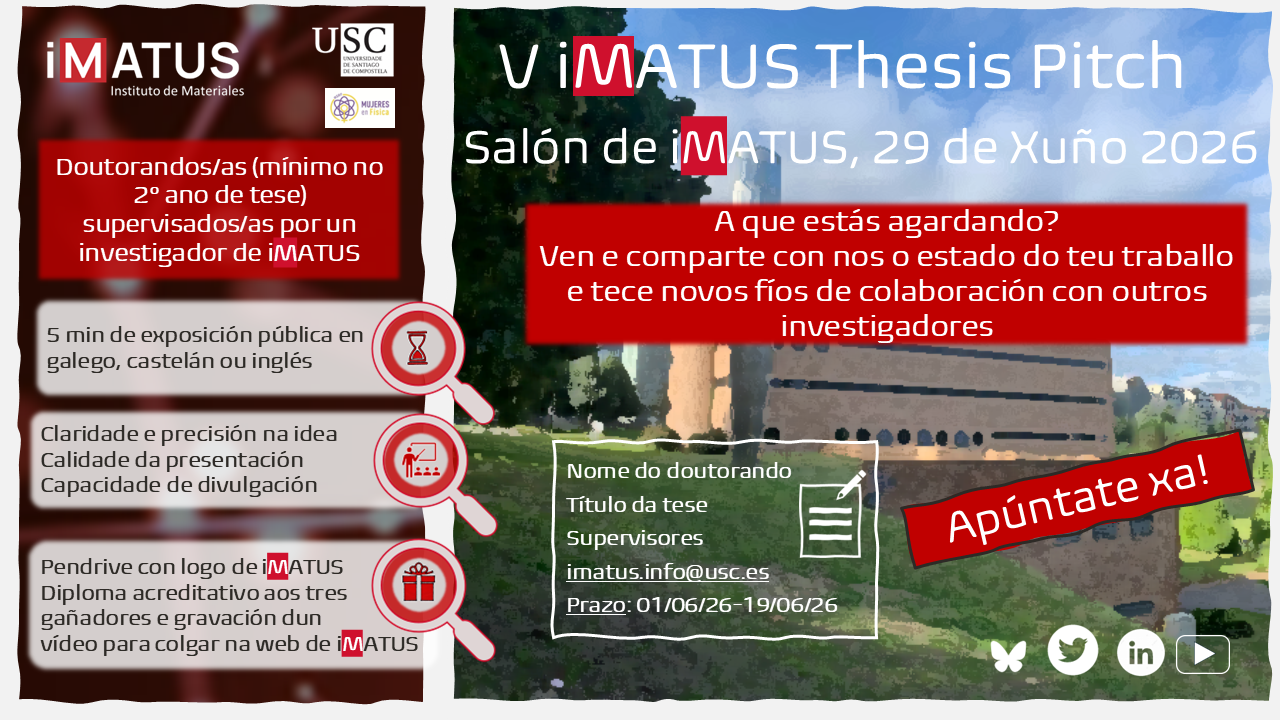
iMATUS anuncia a quinta edición do seu Thesis Pitch para doutorandos en xuño de 2026
O iMATUS organiza a quinta edición do iMATUS Thesis Pitch, un evento onde estudantes de doutoramento vinculados ao instituto presentan a súa
 imatus.usc.es·3h ago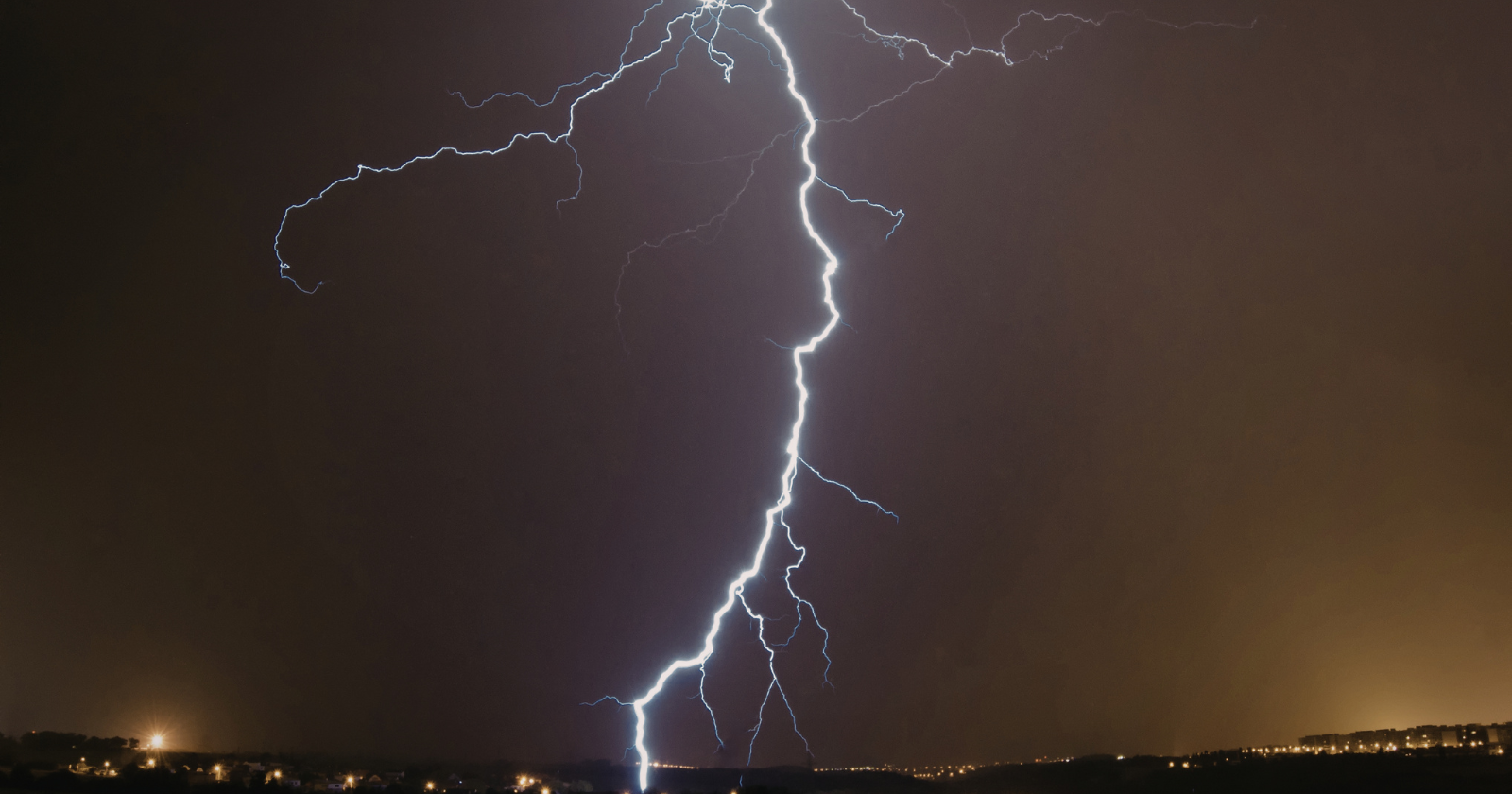
Lightning's temperature is roughly five times hotter than the Sun's surface, NOAA confirms
This article examines the claim that lightning heats the air to five times the temperature of the Sun's surface. It confirms that the US Nat
 spacedaily.com·7h ago
Study examines how defoliation affects carbohydrate reserves and reproduction in mango trees
This scientific study investigates how non-structural carbohydrate (NSC) reserves in mango trees support fruit development and buffer source
 doi.org·9h ago