





















Remedy's creative director explains the horror design behind Backrooms and liminal spaces
By
Giovanni Colantonio

The bagel they save for the regulars. Don't skim, savour.
Summary
The creative director of Control Resonant (a Remedy Entertainment project) discusses the design philosophy behind liminal spaces and Backrooms in video games. The article explores how Remedy crafts unsettling, empty environments that evoke a sense of dread and unease, drawing parallels between the Backrooms internet phenomenon and the studio's approach to environmental storytelling. The creative director explains the psychological principles that make liminal spaces terrifying, including the uncanny valley effect applied to architecture, the disruption of familiar spatial expectations, and how emptiness can be more frightening than explicit horror elements.
Key quotes
· 3 pulledThe Backrooms tap into a primal fear of being lost in an endless, mundane space that feels familiar yet deeply wrong.
Liminal spaces work because they break the rules of how we expect spaces to behave — they're transitional areas that we're not supposed to linger in.
The most terrifying thing isn't what you see, but what you don't see — the emptiness itself becomes the threat.
You might also wanna read

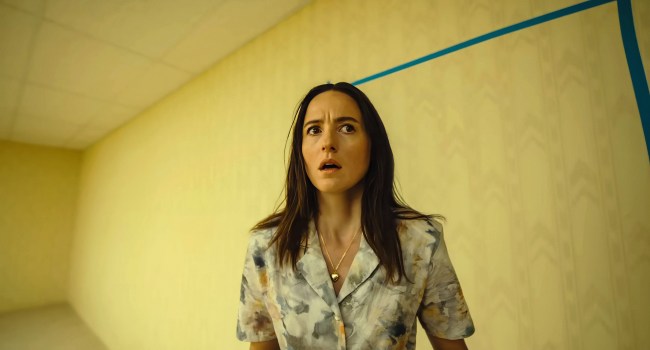
How Production Designer Danny Vermette Brought the 'Backrooms' Liminal Spaces to Life for A24
Article explores how production designer Danny Vermette collaborated with director Kane Parsons to translate the viral 'Backrooms' creepypas
 IndieWire·18d ago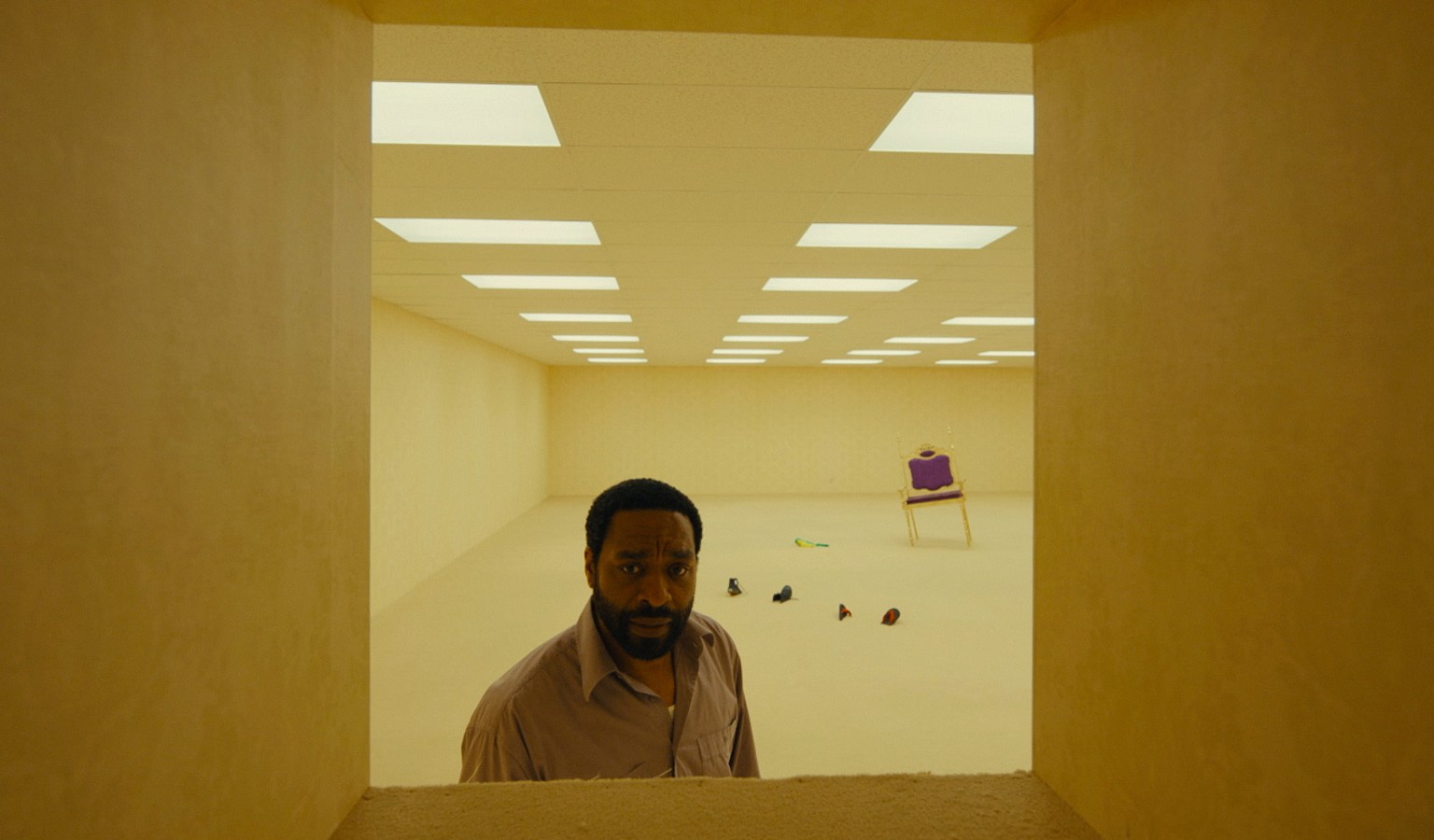
'Backrooms' Film Review: Kane Parsons Turns Creepypasta Into Existential Horror Cinema
Kane Parsons expands his eerie 'Backrooms' YouTube series into a feature-length film that captures the existential dread of endless, empty,
 Rolling Stone·18d ago
Boom Brief #4: Design community creates visual identities for fictional horror rollercoaster "The Abyss"
Boom Brief #4 challenged a design community to create a visual identity for "The Abyss," a fictional horror-themed rollercoaster. The brief,
 Creative Boom·7mo ago
A24's 'Backrooms' Film Loses the Eerie Minimalism of Kane Parsons' Original Videos
A review/analysis of Kane Parsons' "Backrooms" YouTube videos and the subsequent A24 film adaptation. The article discusses how Parsons' ori
 Defector·15d ago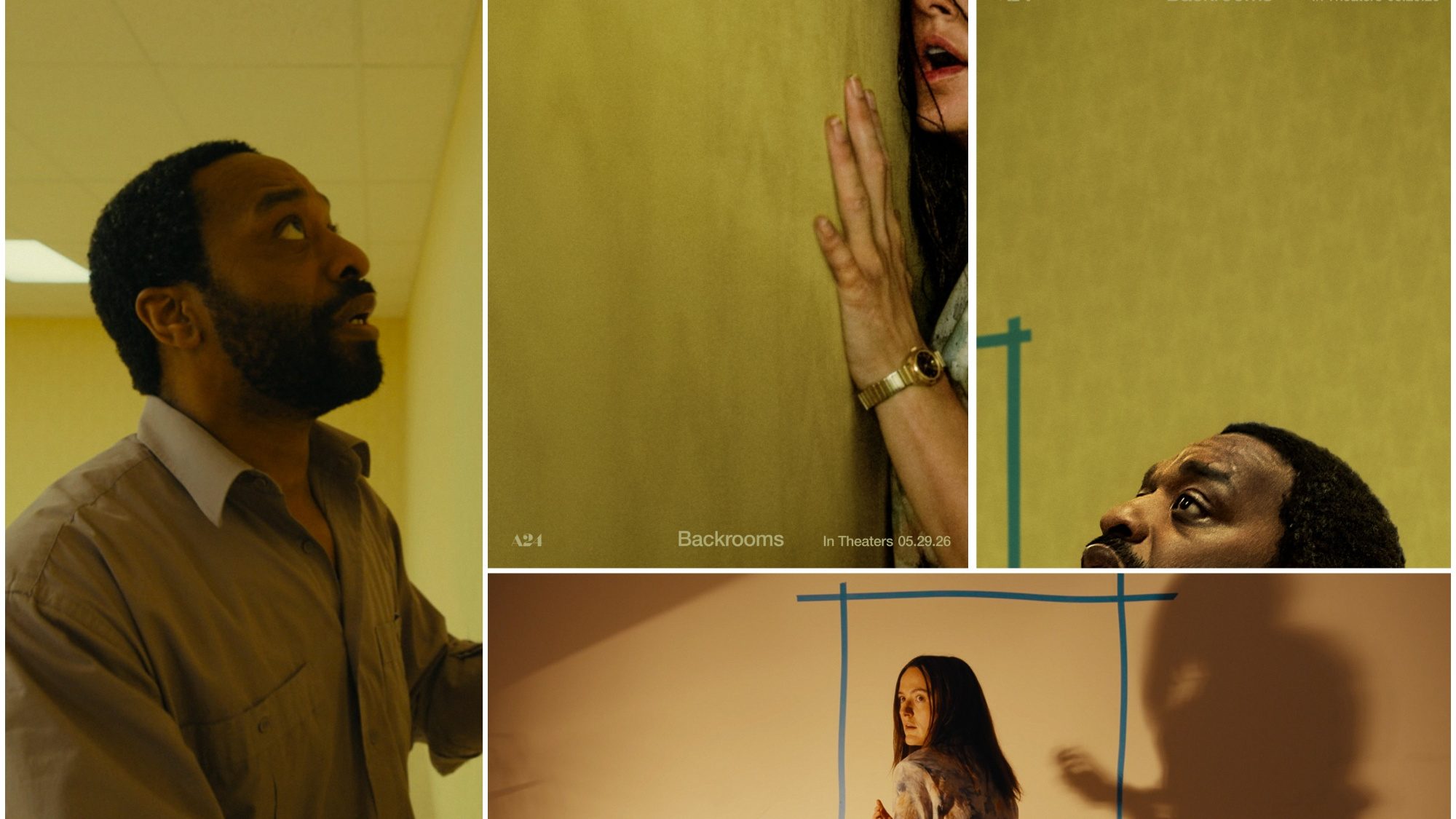
Backrooms Star Renate Reinsve Feared Practical Set Would Drive Her Insane
Backrooms star Renate Reinsve expressed concern that working on the film's massive 30,000-square-foot practical set might drive her "a littl

'Backrooms' Ending Explained: A24 Horror Film's Liminal Space Resolution
A detailed analysis of the ending of 'Backrooms,' a horror film from A24 directed by 20-year-old Kane Parsons. The movie adapts the popular
 Decider·15d ago