





















Conservation Efforts for Japan's Rare 'Snow Monster' Ice Formations on Mount Zao
By
1659447091

Pure flour-power. Hearty enough to carry you through lunch.
Summary
The article discusses Japan's rare 'juhyo' or 'snow monsters' - unique ice formations on Mount Zao's fir trees that occur under specific atmospheric conditions. These natural wonders are facing erosion and decline due to climate change and environmental factors. The piece explores conservation efforts to preserve these breathtaking formations that only appear when supercooled water droplets freeze on contact with trees during persistent winter winds.
Key quotes
· 3 pulledJuhyo form only under exceptionally rare atmospheric conditions, emerging when strong, persistent winter winds carry supercooled water droplets that freeze on contact with the local evergreen Aomori todomatsu trees, gradually layering into rime ice.
Each winter, the upper slopes of Mount Zao in northern Japan – one of the country's best-known ski areas – are transformed. Fir trees coated in thick frost and snow swell into ghostly figures known as 'juhyo' or 'snow monsters'.
A unique natural wonder is being eroded. Can Japan bring its breathtaking 'juhyo' back from the brink?
You might also wanna read

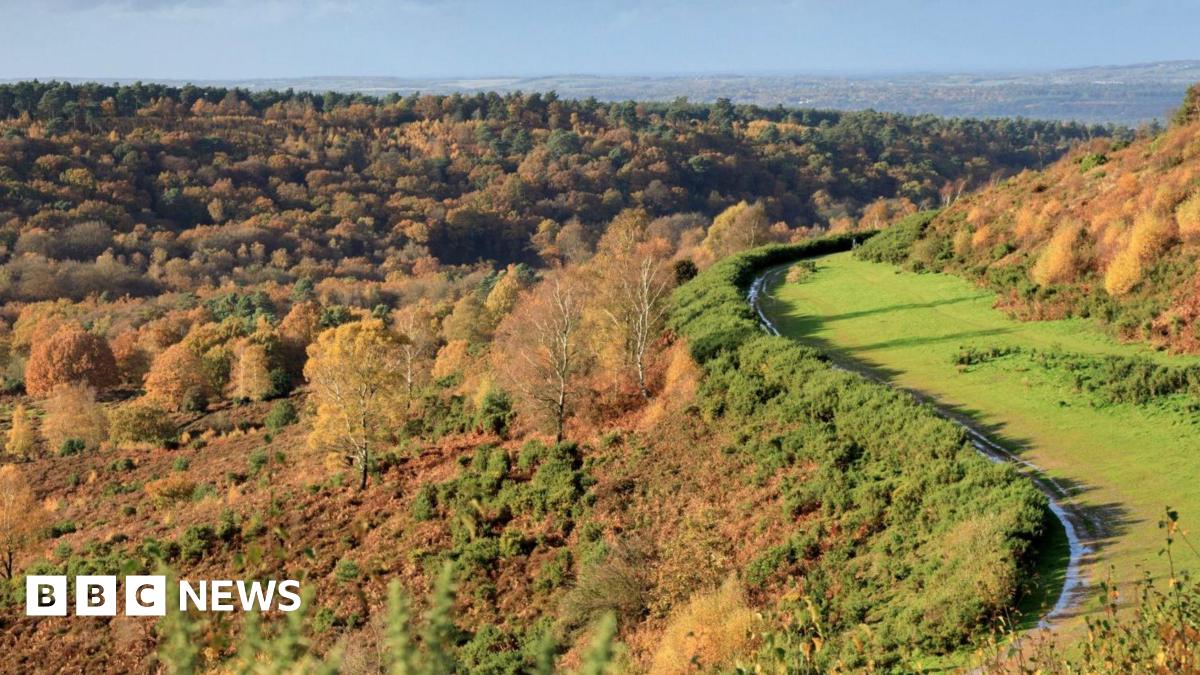
Hindhead Tunnel project drives successful rewilding and pollution reduction in southern England
The Hindhead Tunnel project in southern England removed a road that had been causing traffic congestion and poor air quality in Hindhead vil
 bbc.co.uk·9h ago
In UAE's bright cities, stargazers seek darkness to reconnect with the Milky Way
The article explores how the United Arab Emirates' rapid development and urban light pollution have obscured the night sky across most of it
 bit.ly·1d ago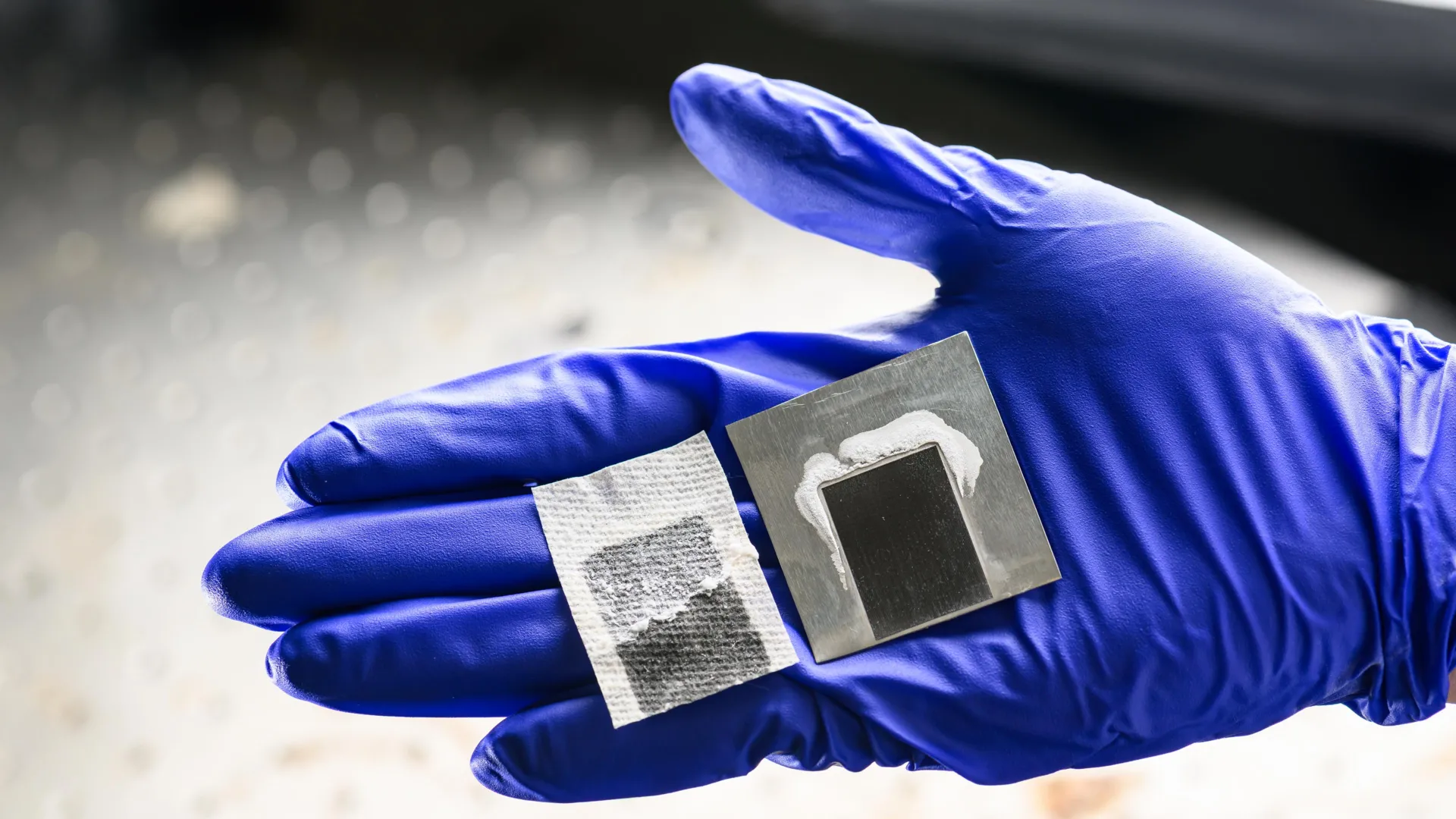
Solar desalination system eliminates toxic brine while producing fresh water
Scientists have developed a solar-powered desalination system that converts seawater into fresh water without producing toxic brine, a major
Solar desalination system eliminates toxic brine while producing fresh water
Scientists have developed a solar-powered desalination system that converts seawater into fresh water without producing toxic brine, a major
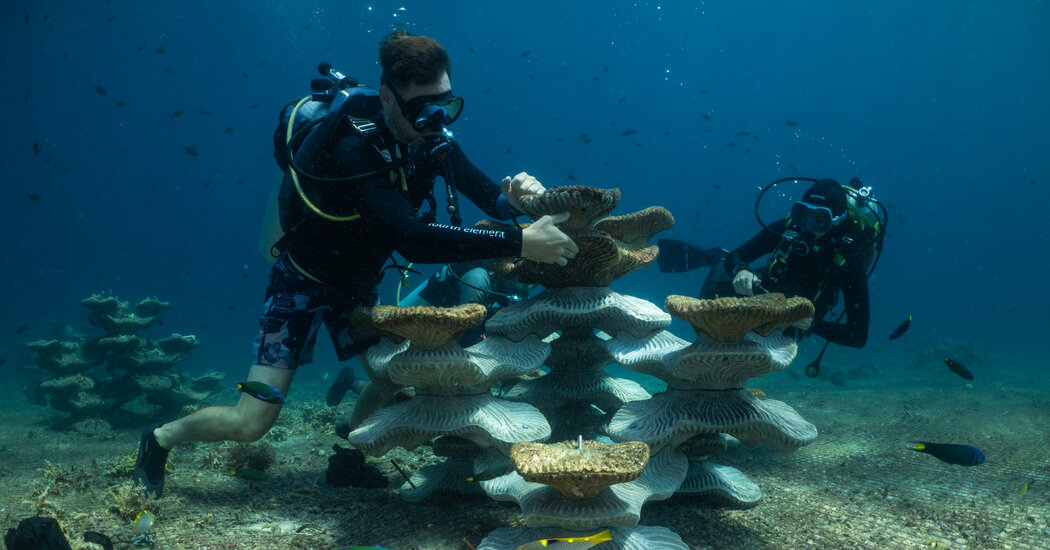
Conservation Group Uses Concrete Molds to Build Artificial Reefs in Malaysia's Coral Triangle
A conservation group is using concrete molds and 3D-printed structures to build artificial reefs in the Coral Triangle near Malaysia, aiming
 nytimes.com·5h ago
Microplastics in the atmosphere may contribute to global warming, research suggests
Microplastics, the tiny particles shed from plastic products, are accumulating in the atmosphere and may be contributing to global warming.
 cenm.ag·6h ago