





















Combining Cuckoo Hashing with SIMD-Accelerated Probing for Improved Hash Table Performance
By
ibraheemdev

Slow-proofed and worth the wait. Worth its weight in flour.
Summary
This technical article explores how cuckoo hashing, traditionally avoided in industry hash table implementations like Google's Swiss Tables and Meta's F14, can be effectively combined with SIMD-accelerated probing to outperform standard hash table designs. The article provides benchmarks and theoretical explanations showing when cuckoo hashing can beat traditional approaches, addressing common concerns about its memory system performance.
Key quotes
· 4 pulledCuckoo hashing is a curious design that is popular in academia, but unused in some of industry's most popular designs, such as Google's Swiss Tables and Meta's F14 tables.
Cuckoo hashing is often avoided because it has worse memory system performance and is beaten by SIMD-accelerated probing.
This doesn't have to be the case! With careful engineering, you can combine SIMD-accelerated probing with cuckoo hashing to beat the standard implementations in many scenarios.
Benchmarks and theoretical explanation of why and when cuckoo hashing beats sort beats hash tables.
You might also wanna read


Practical Applications of Skiplists: From Niche Data Structure to Real-World Problem Solving
The article explores skiplists, a data structure often considered niche, and reveals their practical applications through the author's perso
 antithesis.com·1mo ago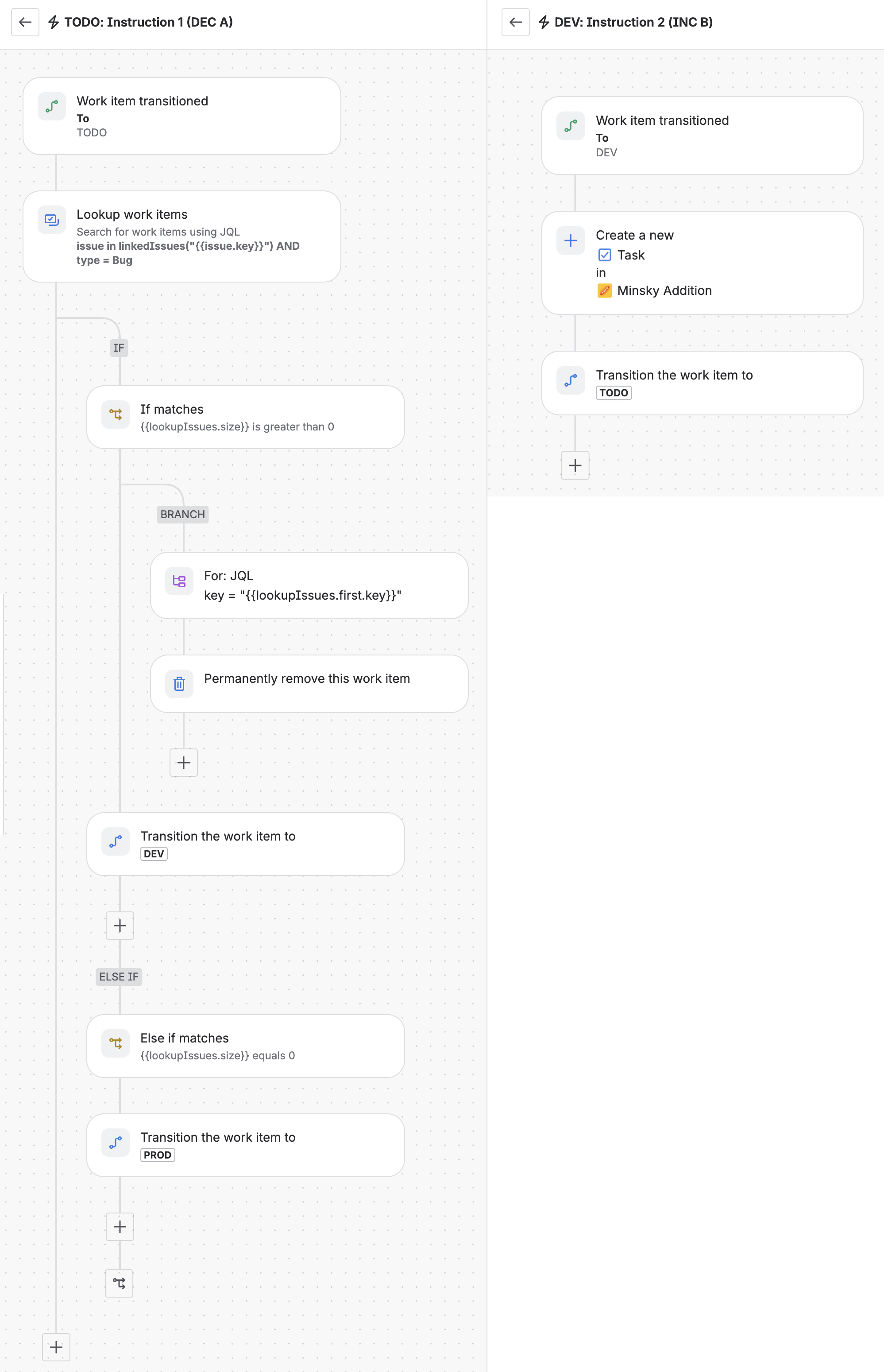
A Formal Proof That Jira Is Turing-Complete via Minsky Machine Implementation
This article provides a formal proof that Jira (Atlassian's project-tracking tool) is Turing-complete by demonstrating how to build a Minsky
A Formal Proof That Jira Is Turing-Complete via Minsky Machine Implementation
This article provides a formal proof that Jira (Atlassian's project-tracking tool) is Turing-complete by demonstrating how to build a Minsky

How Shamir's Secret Sharing Algorithm Enables Threshold Cryptography
This article explains Adi Shamir's Secret Sharing algorithm, a cryptographic method published in 1979 that splits a secret into multiple pie
 ente.com·6d ago
The History of Pipes, Forks, and Zombies in Unix Systems
This article discusses the history and concept of pipes in Unix systems, focusing on Doug McIlroy's original vision of coupling programs lik

Demystifying Floating Point Numbers: An Interactive Guide
An in-depth technical blog post that demystifies floating point numbers, explaining their internal representation and behavior. The author i
 ciechanow.ski·1mo ago