





















Texas A&M study identifies NR4A1 receptor activation as key mechanism behind coffee's health benefits
By
Camryn Haines

An everything bagel for the brain. Substantive, layered, well-seasoned.
Summary
New research from Texas A&M University reveals that compounds in coffee may activate the NR4A1 receptor in the body, a protein linked to aging, stress response, and disease. This discovery helps explain the long-observed association between coffee consumption and longer life, as well as lower risk of chronic diseases. The study provides a biological mechanism for coffee's widespread health effects beyond its well-known wakefulness properties.
Key quotes
· 2 pulledFor decades, research has linked coffee consumption to longer life and lower risk of chronic disease—but exactly how those benefits occur has remained unclear.
Now, new research from the Texas A&M College of Veterinary Medicine and Biomedical Sciences (VMBS) suggests that compounds in coffee may work, in part, by activating a receptor in the body known as NR4A1—a protein increasingly recognized for its role in aging, stress response and disease.
You might also wanna read


Exploring the science behind quantum effects in healthcare: separating research from pseudoscience
The article explores the intersection of quantum physics and healthcare, distinguishing between pseudoscientific "quantum therapies" and leg
 newscientist.com·1h ago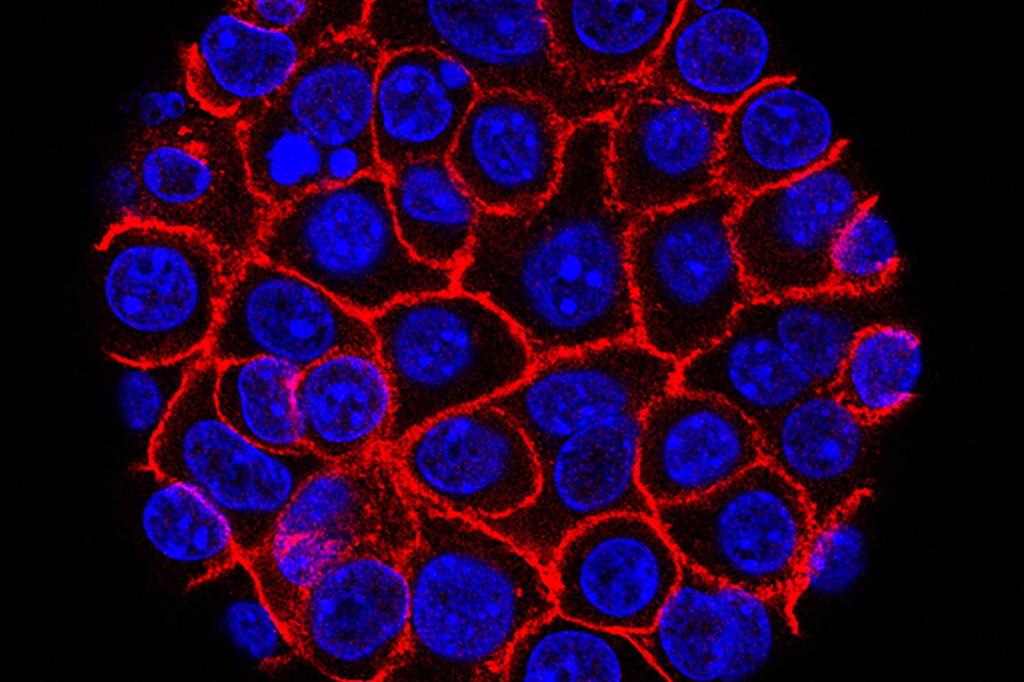
Experimental pill daraxonrasib nearly doubles survival time in advanced pancreatic cancer trial
A novel experimental pill called daraxonrasib has shown promise in extending survival for patients with advanced pancreatic cancer. The drug
 chicagotribune.com·1h ago
Experimental pill daraxonrasib nearly doubles survival time in advanced pancreatic cancer trial
A novel experimental pill called daraxonrasib has shown promise in extending survival for patients with advanced pancreatic cancer. The drug
chicagotribune.com·1h ago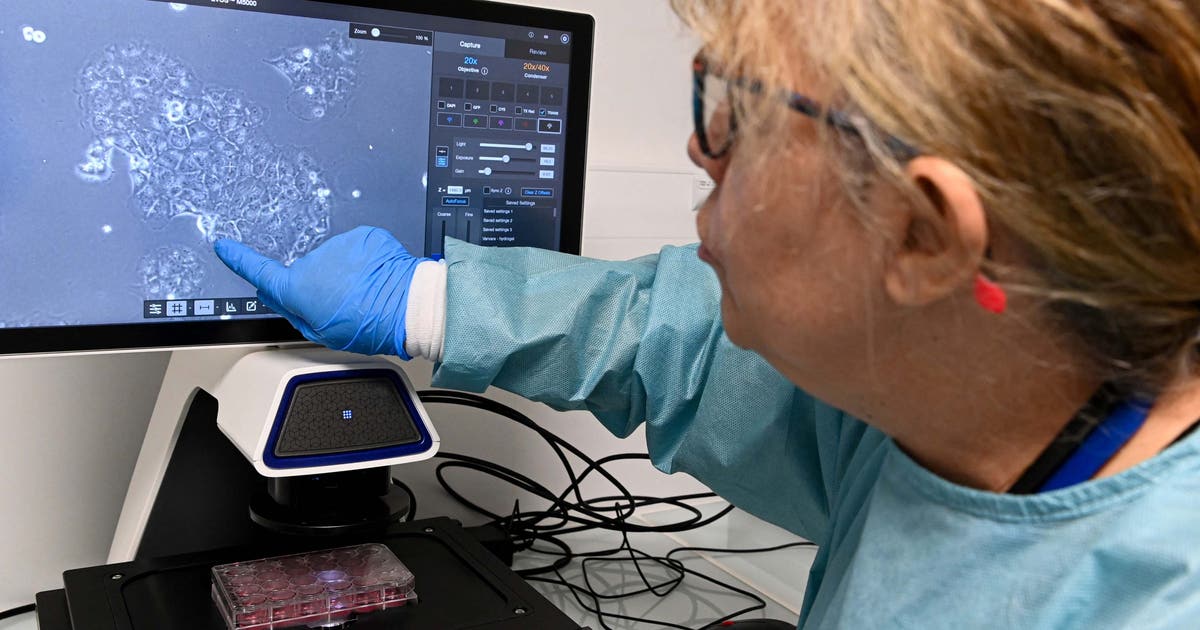
Experimental daraxonrasib pill extends survival for advanced pancreatic cancer patients, study finds
An experimental pill called daraxonrasib has shown promise in helping patients with advanced pancreatic cancer live longer. The drug blocks
 bit.ly·4h ago
Woman develops whiplike rash on back after eating shiitake mushrooms
A woman developed bright-red, whiplike rashes on her back after eating shiitake mushrooms, a condition known as shiitake dermatitis. The cas
 livescience.com·5h ago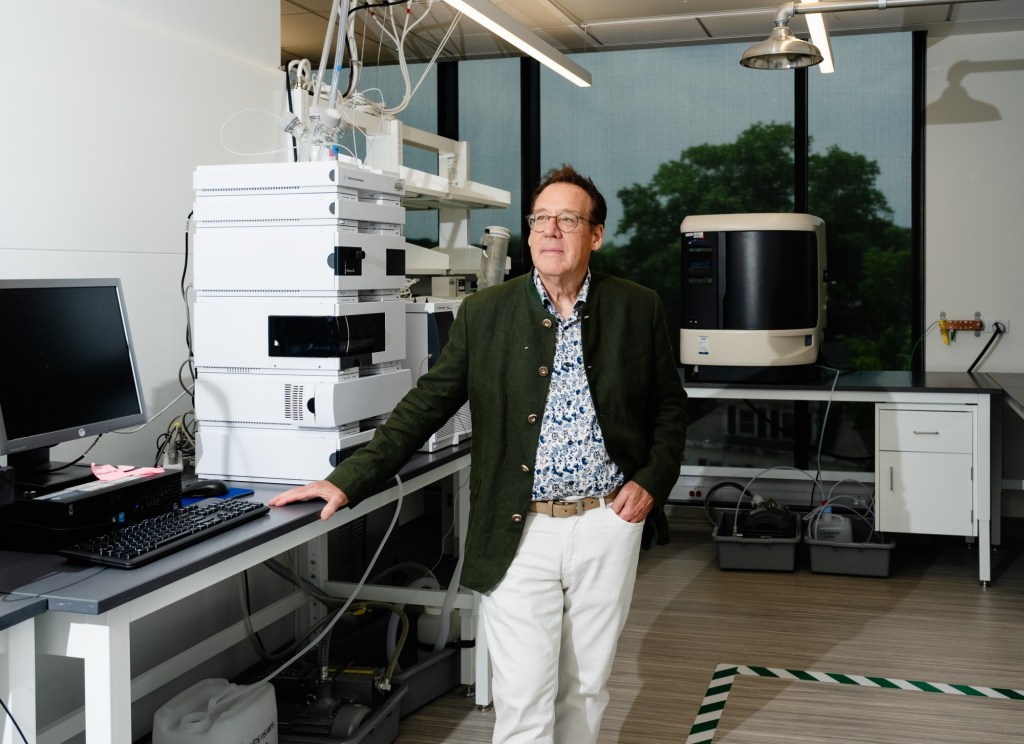
Molecular glue approach doubles survival time for pancreatic cancer patients in breakthrough trial
Chemical biologist Gregory Verdine developed a novel approach to fighting cancer by using "molecular glues" to bind disease-causing proteins
 pasadenastarnews.com·8h ago