





















Green chemistry pioneer John Warner calls for public engagement to solve plastic crisis
By
Sara Cottle

If you only eat one bagel today, this is the bagel.
Summary
John C. Warner, a green chemistry pioneer and ACS member featured in the Netflix documentary 'The Plastic Detox,' discusses the urgent need for chemists and scientists to engage the public in addressing the plastic crisis. He argues that the chemical industry must move beyond traditional approaches and embrace green chemistry principles to create sustainable materials and solutions. Warner emphasizes the importance of public education, transparency, and collaboration between scientists, industry, and consumers to tackle plastic pollution effectively.
Key quotes
· 3 pulledChemists have a responsibility to engage the public in understanding the plastic crisis and the solutions that green chemistry can offer.
We need to fundamentally rethink how we design materials — not just make them less bad, but truly sustainable from the start.
The Plastic Detox documentary shows that the public is ready for change; scientists need to meet them there with honest, accessible information.
You might also wanna read

Giornata mondiale della biodiversità: il concetto di "dark diversity" e la necessità di ripensare la vita sul pianeta
Articolo pubblicato in occasione della Giornata mondiale della biodiversità (22 maggio) che riflette sullo stato della vita sul pianeta e su
 wired.it·20h ago
Europe removes record 603 dams in 2025 to restore river ecosystems
Europe removed a record 603 dams and barriers across 21 countries in 2025, reconnecting thousands of kilometers of rivers. The article focus
 cnn.com·3d ago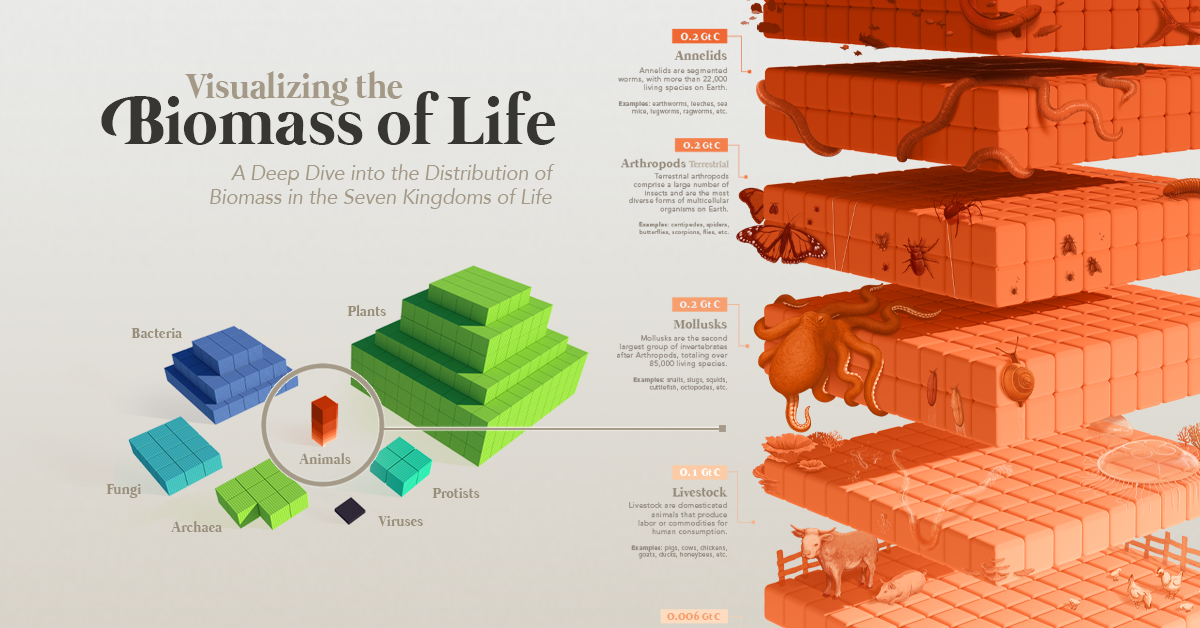
Earth's Biomass Breakdown: Plants Dominate, Humans Are a Tiny Fraction
This article presents a comprehensive breakdown of Earth's biomass distribution, showing that plants make up the vast majority (80%) of all
 visualcapitalist.com·4d ago
How the Miyawaki Method Creates Dense Urban Micro Forests to Restore Biodiversity
The article covers the Miyawaki method of reforestation, which involves planting small, densely packed native forests in urban areas to rapi
 ambrook.com·28d ago
Biodegradable Packaging Film Made from Milk Protein Breaks Down in 13 Weeks
Researchers at Flinders University in South Australia have developed a biodegradable plastic alternative made from milk protein (calcium cas
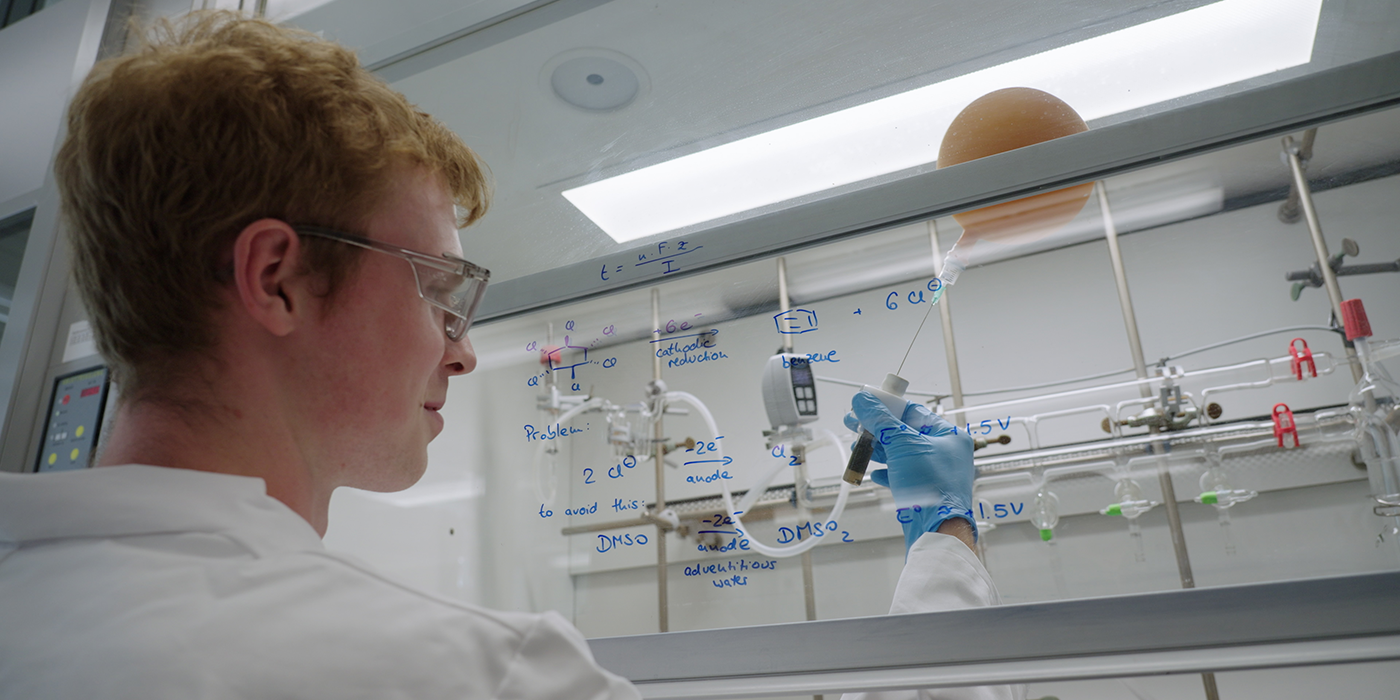
ETH Zurich Researchers Develop Electrolysis Method to Convert Soil Contaminants into Valuable Chemicals
ETH Zurich researchers have developed an electrolysis-based method to remove persistent insecticides like DDT and lindane from contaminated
 ethz.ch·5mo ago