





















Australia invests in domestic rare earth processing to challenge China's supply chain dominance
By
Stefan Lovgren, special to C&EN
Summary
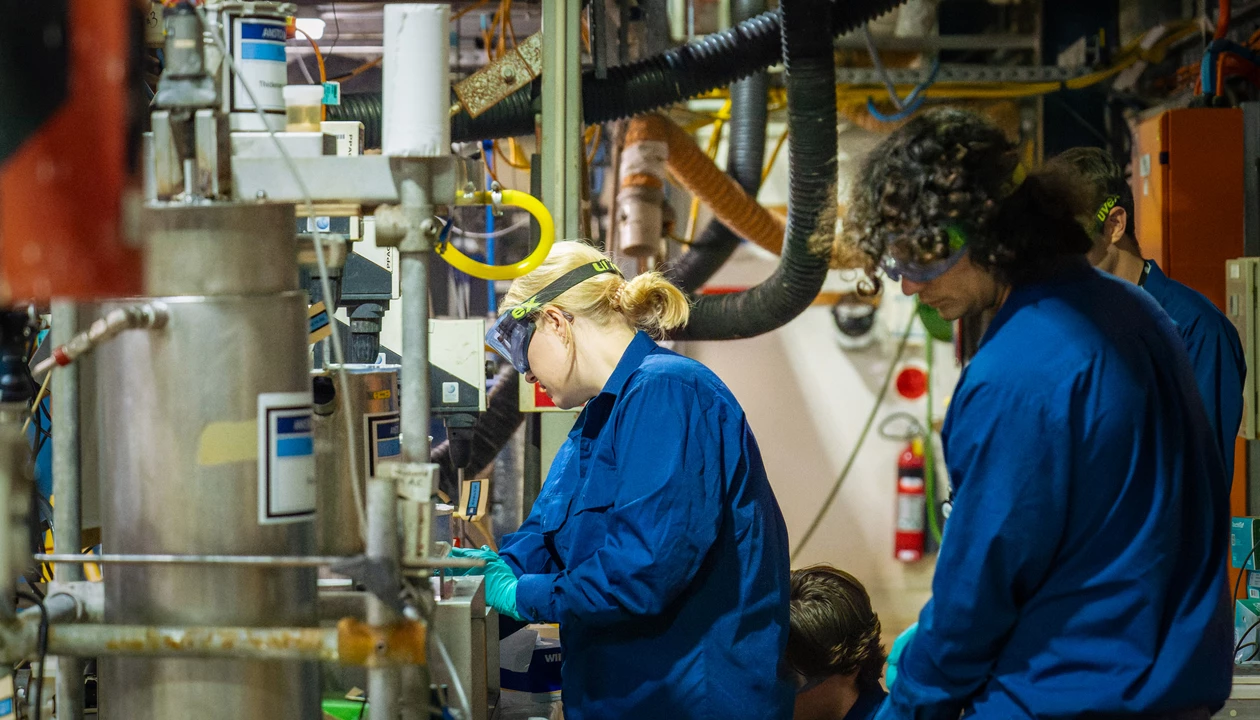
Australia is investing heavily in domestic rare earth processing facilities to reduce reliance on China, which dominates the global supply chain. The article details ANSTO's new rare earth separation plant at Lucas Heights, along with other Australian projects like Lynas Rare Earths' Kalgoorlie facility and Arafura Rare Earths' Nolans project. These initiatives aim to process minerals like neodymium, praseodymium, and dysprosium—critical for magnets in EVs, wind turbines, and defense technologies. However, the article raises environmental concerns about radioactive waste (thorium and uranium byproducts), water usage, and energy consumption. It also explores geopolitical tensions, Australia's strategic position as a Western ally, and the economic challenges of competing with China's established processing infrastructure.
Source
 bskyAustralia invests in domestic rare earth processing to challenge China's supply chain dominancecen.acs.org
Key quotes
· 5 pulledWe're trying to create a sovereign capability here that doesn't exist at the moment, and that's really important for Australia's future economic prosperity and national security.
China has about 90% of the world's rare earth processing capacity, and that's a significant strategic vulnerability for Western nations.
The environmental challenges are real. We're dealing with radioactive materials, and we need to be transparent about how we manage those risks.
If we can get this right, Australia could become a major player in the global rare earth supply chain within the next decade.
The question isn't whether we should do this—it's whether we can do it in a way that's environmentally responsible and economically viable.
You might also wanna read


Major Western Nations to Discuss Critical Minerals Alliance to Reduce Dependence on China
Ministers from the US, EU, UK, Japan, Australia, and New Zealand are meeting in Washington to discuss forming a strategic alliance on critic
 theguardian.com·4mo ago
US Faces Strategic Vulnerability in Tungsten Supply Chain Amid Growing Demand
The article discusses America's critical dependence on Chinese tungsten production and the growing strategic vulnerability this creates. Tun
 noleary.com·4mo ago
Turkey Declines to Sell Rare Earth Elements to United States, Plans State Operation of Resources
Turkish Energy Minister Alparslan Bayraktar has stated that Turkey will not sell rare earth elements to the United States, declaring such sa
 ceenergynews.com·7mo ago
China Implements Strictest Rare Earth and Magnet Export Controls Ahead of Trump-Xi Meeting
China has implemented its strictest-ever restrictions on rare earth and permanent magnet exports through Ministry of Commerce Announcement N
 csis.org·8mo ago
U.S. Discards Enough Critical Minerals in Mining Waste to Meet National Needs, Study Finds
A new analysis published in Science reveals that the U.S. already mines sufficient critical minerals like cobalt, lithium, gallium, and rare
 minesnewsroom.com·9mo ago
Qatar helium production shutdown threatens global chip supply chain, SK hynix forced to diversify
QatarEnergy's helium production facility at Ras Laffan remains offline nine days after Iranian drone strikes, causing supply disruptions tha
 tomshardware.com·3mo ago