





















Pitt professor's AI research shows workforce divided as students protest on campus
By
Chloe Jad

Fresh out the oven, still warm. Top of the tray.
Summary
An article about University of Pittsburgh professor Mark Ma's research tracking workforce sentiment toward AI adoption. It discusses student protests against AI on campus while Ma argues that delaying AI adoption is not feasible. The piece explores the tension between concerns about AI's impact on jobs and education versus the inevitability of technological progress.
Key quotes
· 3 pulledWe cannot delay the AI adoption
Mark Ma wants to know how the workforce really feels about artificial intelligence — so he's tracking exactly that
An associate professor...
You might also wanna read

Students Use AI Out of Necessity, Not Enthusiasm, as Campus Tensions Rise
The article discusses how university students are increasingly using AI tools like ChatGPT for academic work, but many harbor resentment or
 Rolling Stone·10d ago
Growing Public Backlash Against AI Industry Highlighted by Stanford Report and Social Media Reactions
The article discusses the growing public backlash against the AI industry, highlighting two incidents of politically motivated violence and
 newrepublic.com·1mo ago
Analysis: The Debate Over AI's Impact on Young People's Employment
This article examines the ongoing debate about whether artificial intelligence is already displacing jobs for young people and recent colleg
 derekthompson.org·9mo ago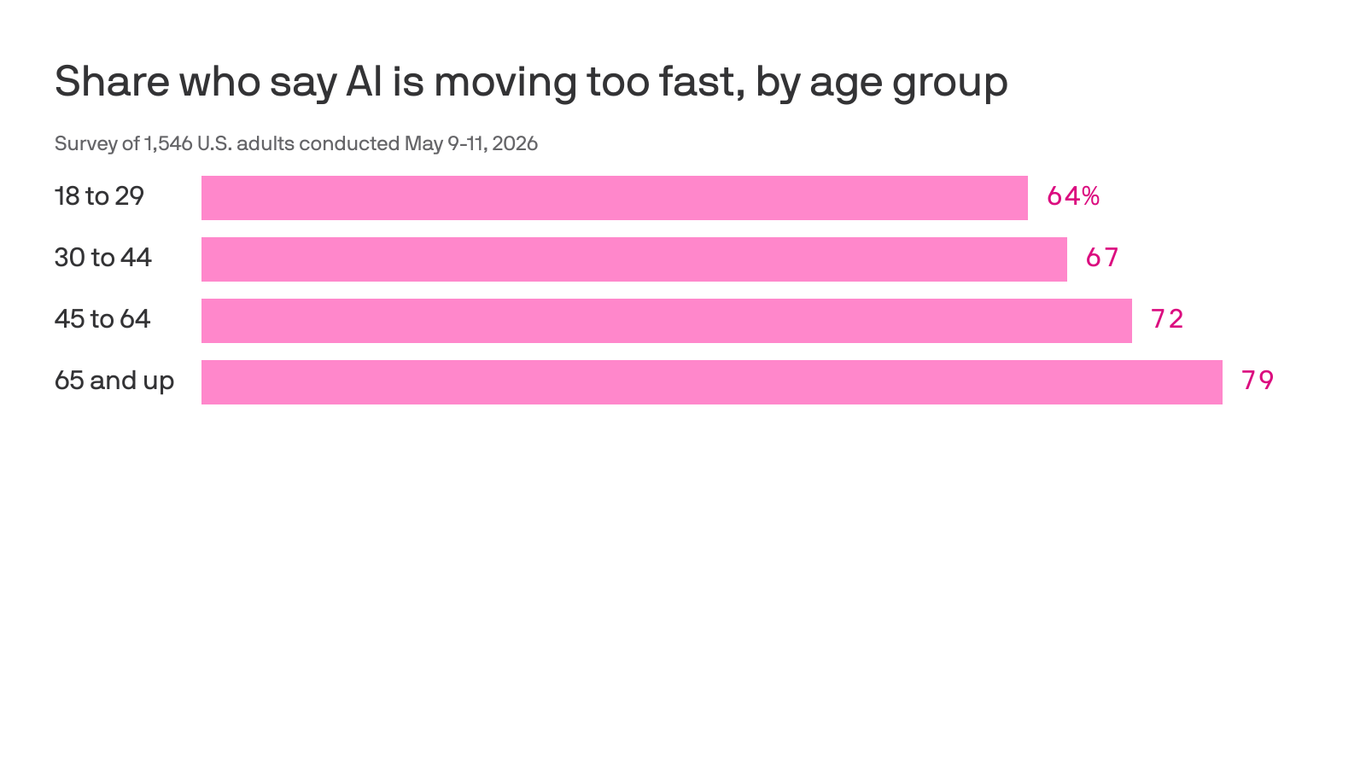
Growing public backlash against AI as concerns over jobs, costs, and inequality mount
Growing public backlash against AI is intensifying as people express concerns about job displacement, rising electricity costs, wealth inequ
 axios.com·14d ago
Reflections on AI's Impact: Personal Perspectives on Technology and Human Concerns
The author reflects on their personal experience with AI while on vacation in Hawaii, contemplating whether their upcoming job might be thei
anthony.noided.media·3mo ago
Research Analysis: 85.7% of Workers Have Unresolved Psychological Tensions About AI Adoption
A deep analysis of 1,250 interviews about AI adoption at work reveals that while initial research suggests predominantly positive sentiments
playbookatlas.com·5mo ago