





















Arduino Uno Q: Qualcomm's Hybrid Single-Board Computer with Uno Form Factor
By
furkansahin

The kind of bagel that ruins lesser bagels for you.
Summary
The Arduino Uno Q is a hybrid single-board computer that represents the first product from Qualcomm's acquisition of Arduino. It combines features of both a traditional Arduino Uno microcontroller board and a more powerful single-board computer like Raspberry Pi, featuring a Qualcomm QCS6490 processor with 8GB RAM and 32GB storage. The board maintains Arduino Uno form factor compatibility while offering significantly enhanced capabilities including Wi-Fi 6E, Bluetooth 5.2, and extensive I/O options. The article explores its unique positioning as neither a pure microcontroller nor a full-fledged SBC, comparing it to previous hybrid attempts like Arduino's own Yún board and other industry products.
Key quotes
· 5 pulledThe Arduino Uno Q is... a weird board. It's the first product born out of Qualcomm's buyout of Arduino.
It's like if you married an Intel CPU, and a Raspberry Pi RP2040 microcontroller—oh wait, Radxa's X4 did that.
Arduino even tried it before with their old Yún board, which had Linux running on a MIPS CPU, married to an ATmega microcontroller.
The Uno Q isn't quite a Raspberry Pi, but it looks like one when you squint at it. And it's not quite an Uno, but it does a pretty good job masquerading as that, too.
Really, it's a tiny computer in the shape of an Arduino Uno, with a bunch more IO than you
You might also wanna read

wolfCOSE: A Lightweight COSE + CBOR Library for Embedded Systems with PQC and FIPS 140-3 Support
wolfCOSE is a lightweight C library implementing CBOR (RFC 8949) and COSE (RFC 9052/9053) for embedded systems, using wolfSSL as the crypto
 github.com·1d ago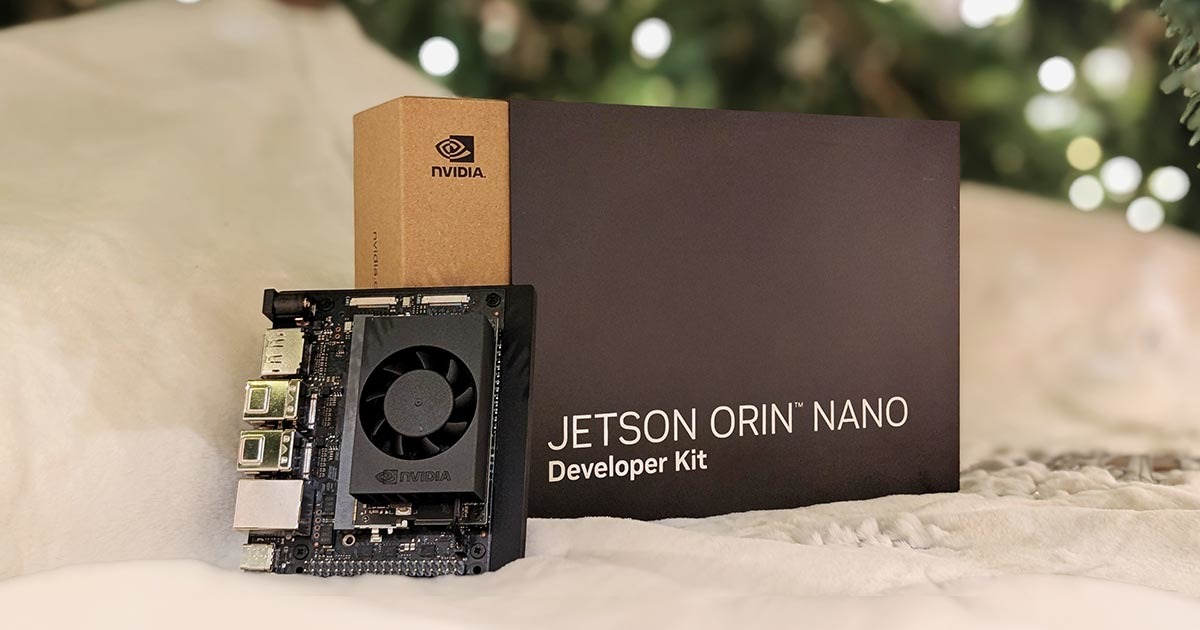
NVIDIA Jetson Orin Nano Super Developer Kit: Affordable Edge AI for Robotics
NVIDIA's Jetson Orin Nano Super Developer Kit is positioned as the most affordable generative AI supercomputer, designed to accelerate AI-dr

Running Rust and Slint on a Jailbroken Kindle Paperwhite
A developer jailbreaks their 7th generation Kindle Paperwhite to use it as a nightstand clock, then explores running Rust (and Slint) on the
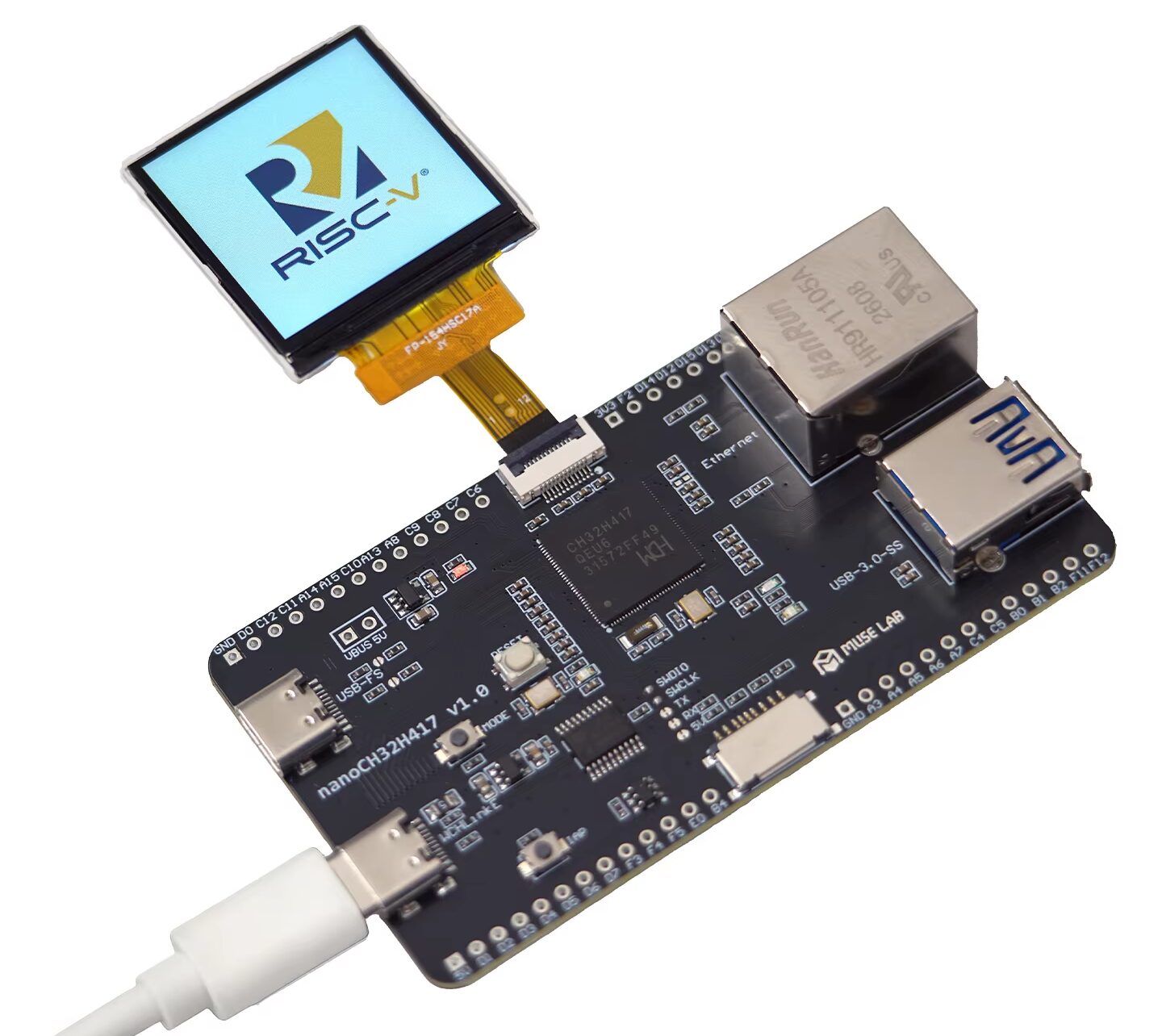
MuseLab nanoCH32H417: $17 RISC-V MCU Board with USB 3.0 and Fast Ethernet
MuseLab has released the nanoCH32H417, a third-party development board for the WCH CH32H417 dual-core RISC-V MCU. Priced at $17, the board f
 cnx-software.com·5d ago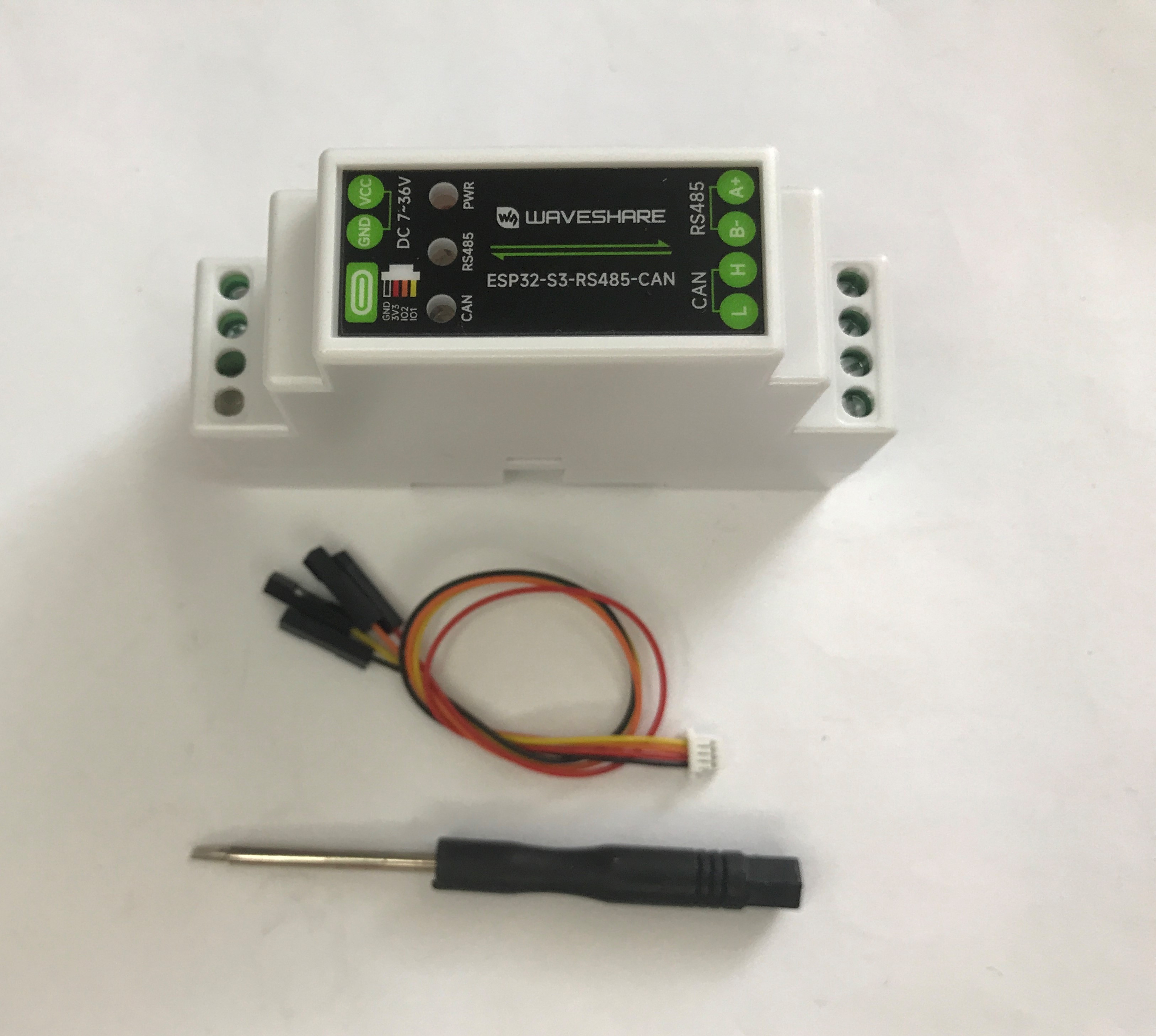
ESP32-S3-RS485-CAN: Industrial Module with Wi-Fi, Bluetooth, RS485, and CAN Bus Interfaces
The ESP32-S3-RS485-CAN is an industrial-grade microcontroller module featuring Wi-Fi, Bluetooth, isolated RS485 and CAN bus interfaces, DIN-
 elektroda.com·5d ago
How Researchers Bypassed Apple's M5 Memory Integrity Enforcement in Five Days
A detailed technical analysis of how security researchers (a three-person team with AI assistance) bypassed Apple's new Memory Integrity Enf
 ironpeak.be·5d ago