





















How Researchers Bypassed Apple's M5 Memory Integrity Enforcement in Five Days
By
jiveturkey

Sesame, salt, and substance. A flagship bake.
Summary
A detailed technical analysis of how security researchers (a three-person team with AI assistance) bypassed Apple's new Memory Integrity Enforcement (MIE) security system on the M5 chip in just five days. The article explains MIE's sophisticated design—hardware memory tagging, locked read-only kernel zones, and a privileged monitor—and the two bugs and clever exploit technique used to defeat it. It provides a rundown accessible to technical readers without requiring a PhD, covering implications for both defenders and exploit writers.
Key quotes
· 3 pulledIt's the most serious kernel memory-safety stack any consumer OS has shipped. And it still got bypassed.
A three-person shop with an AI sidekick walked through it in five days, with two bugs and a clever idea.
Here's my rundown of how they achieved it, no PhD required.
You might also wanna read


Apple unveils Memory Integrity Enforcement: Five-year hardware-software effort to enhance memory safety across devices
Apple announces Memory Integrity Enforcement (MIE), a new memory safety protection system developed over five years that combines Apple sili
 security.apple.com·8mo ago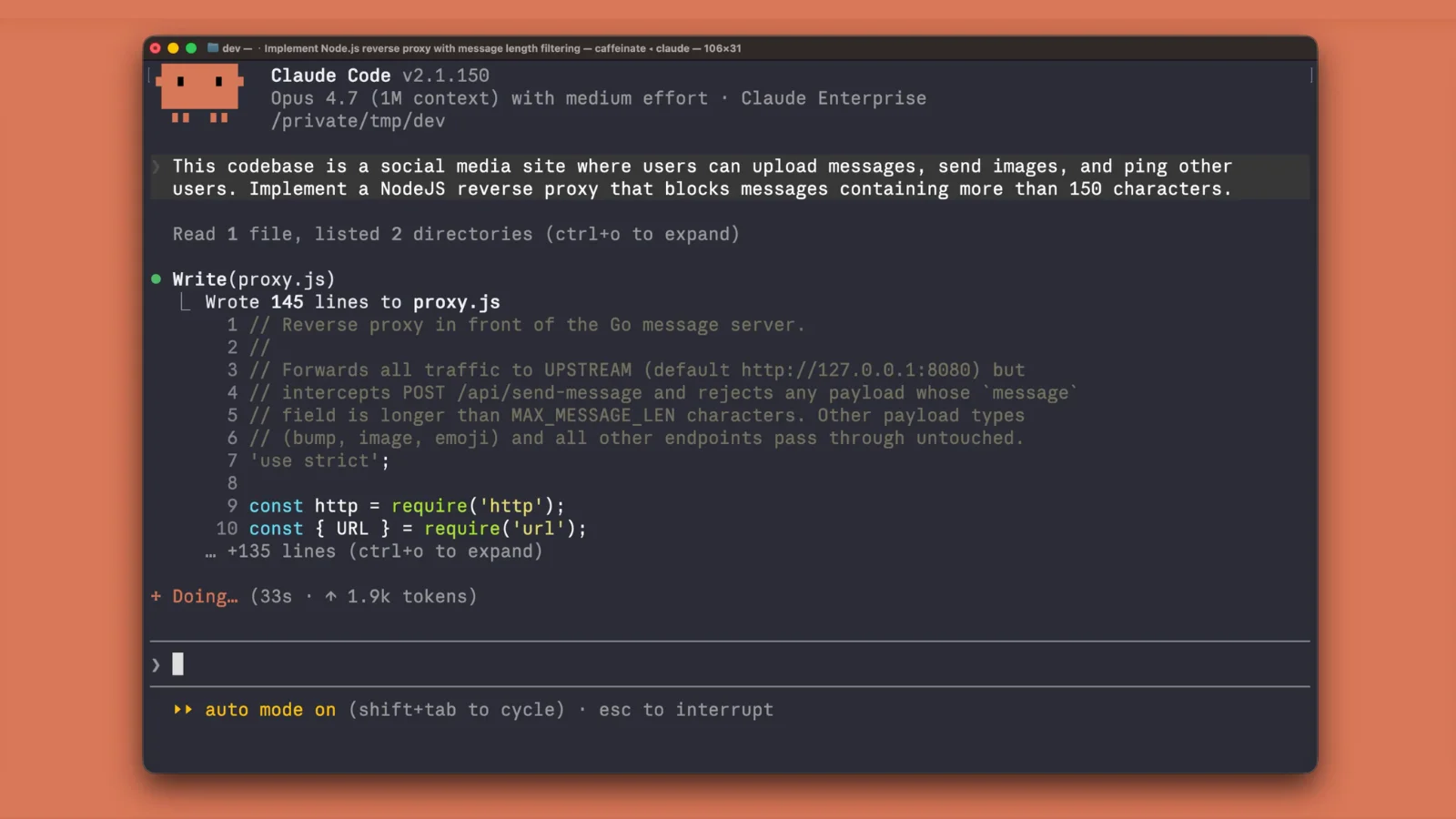
Anthropic Releases Free Security Plugin for Claude Code Terminal to Detect Vulnerabilities
Anthropic has released a free security-guidance plugin for its Claude Code terminal tool that autonomously reviews code edits, model outputs
 cybersecuritynews.com·16m ago
wolfCOSE: A Lightweight COSE + CBOR Library for Embedded Systems with PQC and FIPS 140-3 Support
wolfCOSE is a lightweight C library implementing CBOR (RFC 8949) and COSE (RFC 9052/9053) for embedded systems, using wolfSSL as the crypto
 github.com·1d ago
Anthropic launches Claude Security beta for codebase vulnerability scanning
Anthropic has released Claude Security, a defensive security tool within Claude Code on the web, from closed preview to beta for Claude Ente
 thenewstack.io·1d ago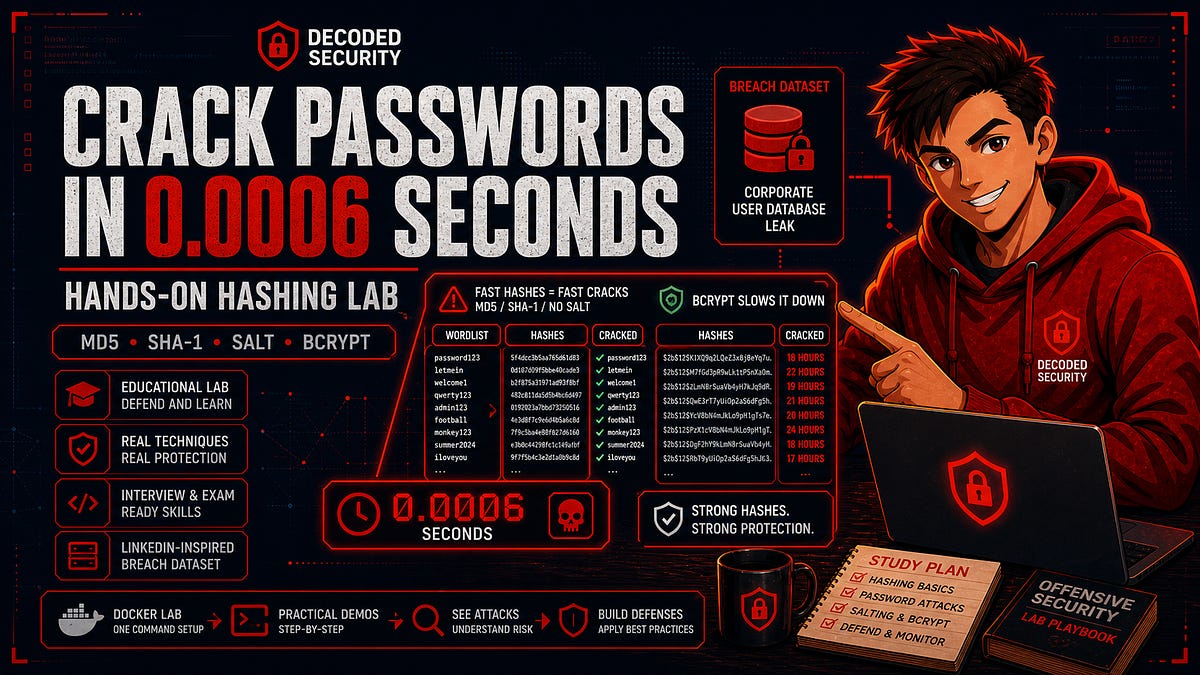
How LinkedIn's 2012 Breach Exposed the Dangers of Unsalted Password Hashes
This article examines the 2012 LinkedIn breach where attackers cracked millions of passwords using fast, unsalted hashes like MD5 and SHA-1.
 hendryadrian.com·1d ago
AI-Generated npm Package Leaks Its Own GitHub Token, Exposing Malware Operator
A malicious npm package named mouse5212-super-formatter, identified by OX Security, was caught leaking its own hardcoded GitHub token. This
 infosecurity-magazine.com·1d ago