





















Deep-sea mining race in the Pacific threatens unexplored ecosystem with 90% unknown species
By
By Space Daily Editorial Team · Editorial process

Kettled twice. Extra chewy, extra trustworthy.
Summary
The Clarion-Clipperton Zone, a vast abyssal plain between Mexico and Hawaii, contains trillions of polymetallic nodules rich in cobalt, manganese, nickel, and other rare metals. These apple-sized rocks, formed over millions of years, hold more cobalt and manganese than all known land deposits combined. Mining companies are racing to extract them for use in electric vehicle batteries, smartphones, and renewable energy technologies. However, this deep-sea ecosystem is one of the least-explored on Earth, with over 90% of its species still undescribed. Scientists warn that mining could cause irreversible damage to this pristine environment, including habitat destruction, sediment plumes, noise pollution, and potential species extinction before they are even discovered. The International Seabed Authority is currently developing mining regulations, balancing economic interests against environmental preservation.
Key quotes
· 4 pulledThe closest light from the surface has not reached them in at least four billion years.
Over 90 per cent of the local species are still undescribed.
The seafloor across this region is, in places, densely covered in polymetallic nodules: dark, rounded, mineral-rich rocks roughly the size of an apple or a small potato.
They sit on the sediment surface like scattered eggs across a vast muddy plain.
You might also wanna read


Research Cruises to Study Deep-Sea Mining Impact on Abyssal Ecosystems
The article discusses deep-sea mining in the Clarion-Clipperton Zone (CCZ) of the Pacific Ocean, where a robotic vehicle called Patania II c
 science.org·5mo ago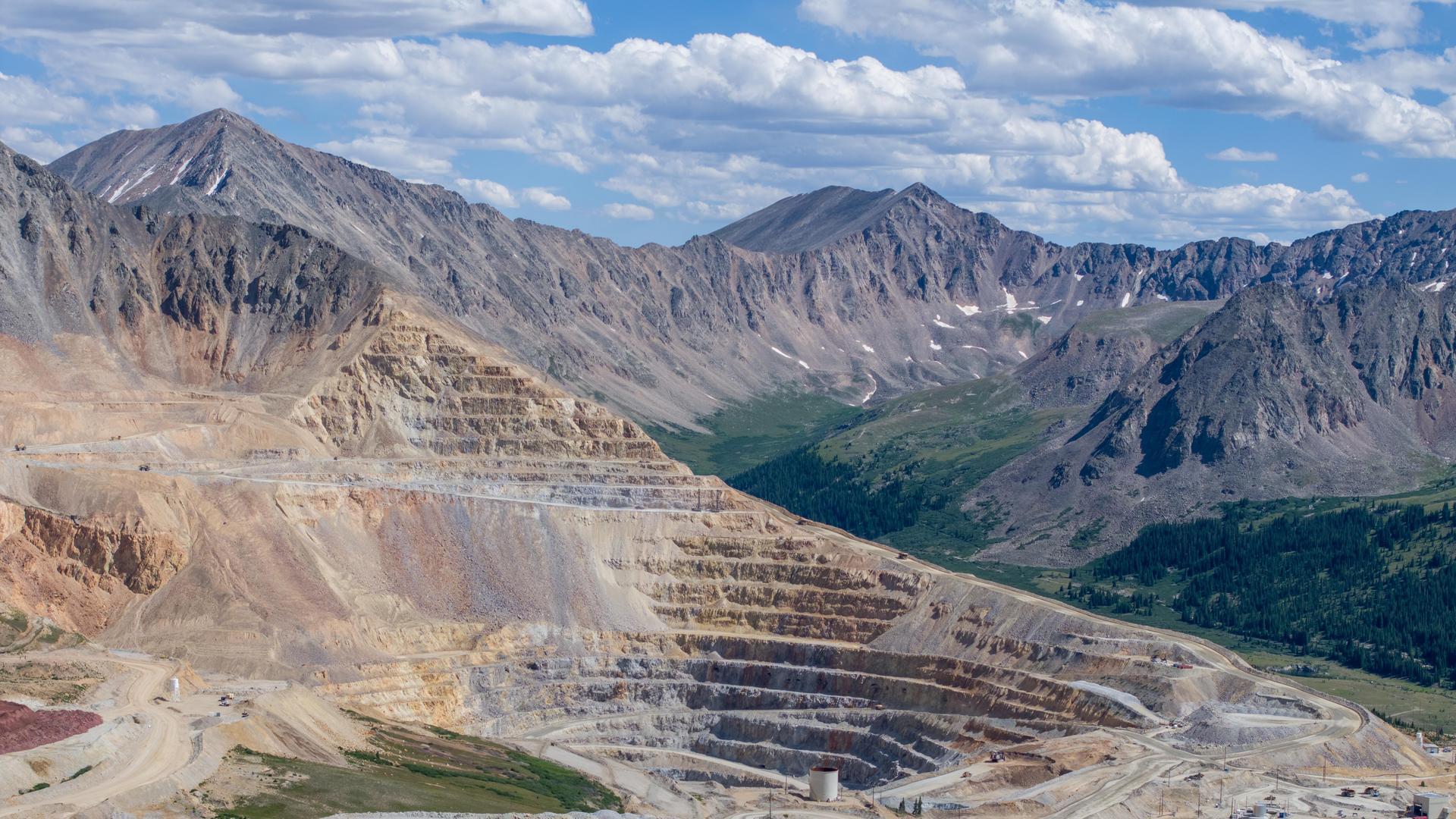
U.S. Discards Enough Critical Minerals in Mining Waste to Meet National Needs, Study Finds
A new analysis published in Science reveals that the U.S. already mines sufficient critical minerals like cobalt, lithium, gallium, and rare
 minesnewsroom.com·8mo ago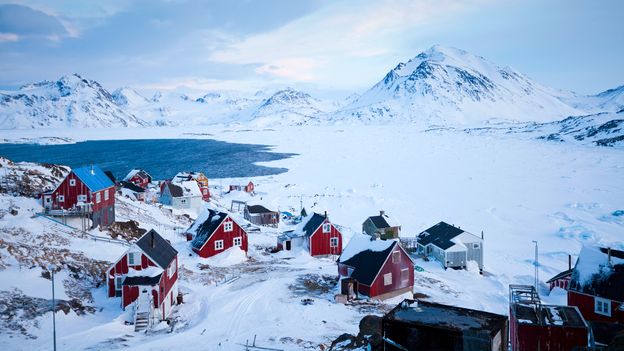
The Challenges of Accessing Greenland's Subglacial Mineral Resources
The article discusses the vast mineral and fossil fuel resources hidden beneath Greenland's ice sheet, which have been coveted for over a ce
 bbc.com·5mo ago
Perseverance Rover Discovers Organic-Carbon-Bearing Minerals with Potential Biosignatures in Jezero Crater, Mars
NASA's Perseverance rover has discovered organic-carbon-bearing mudstones in Mars' Jezero Crater that contain iron-phosphate and iron-sulfid
 nature.com·9mo ago
Trump Executive Order Kickstarts Deep Sea Mining Rush
 The Onion·12d ago