





















Scientists confirm that a pianist's touch can subtly change the color of piano sound, ending a century-long debate

The kind of bagel that ruins lesser bagels for you.
Summary
Scientists have confirmed that a pianist's touch can subtly alter the color and character of piano sound, validating a century-old musical debate. New mapping research reveals that technique alone can change how a piano note is perceived, supporting what musicians have long claimed about the unique voice each artist brings to the keys.
Key quotes
· 4 pulledNew mapping reveals that a musician can change the color of a piano's sound through pure technique.
This supports a message that musos have been trying to get across for years.
Is it illusion, or is there a hidden physical mechanism behind the unique voice every artist drops on the keys?
How science is finally proving a 100-year-old musical legend right
You might also wanna read

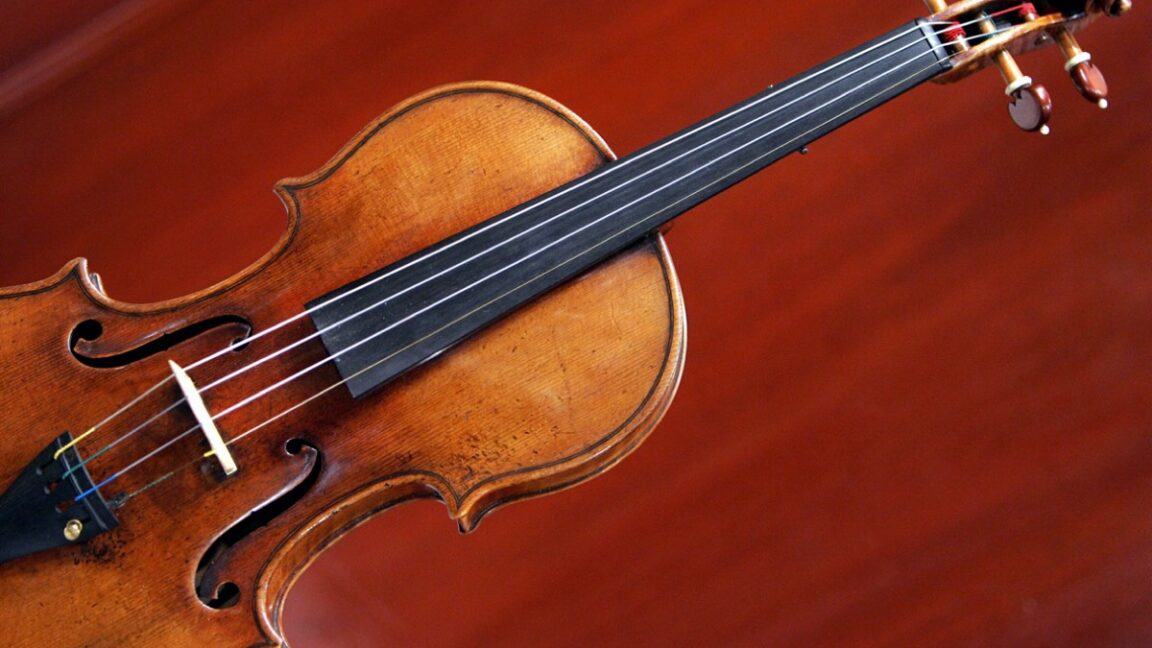
MIT engineers develop virtual violin simulation tool for luthiers
MIT engineers have developed a virtual violin simulation tool that captures the precise physics of the instrument and reproduces realistic s
 arstechnica.com·25d ago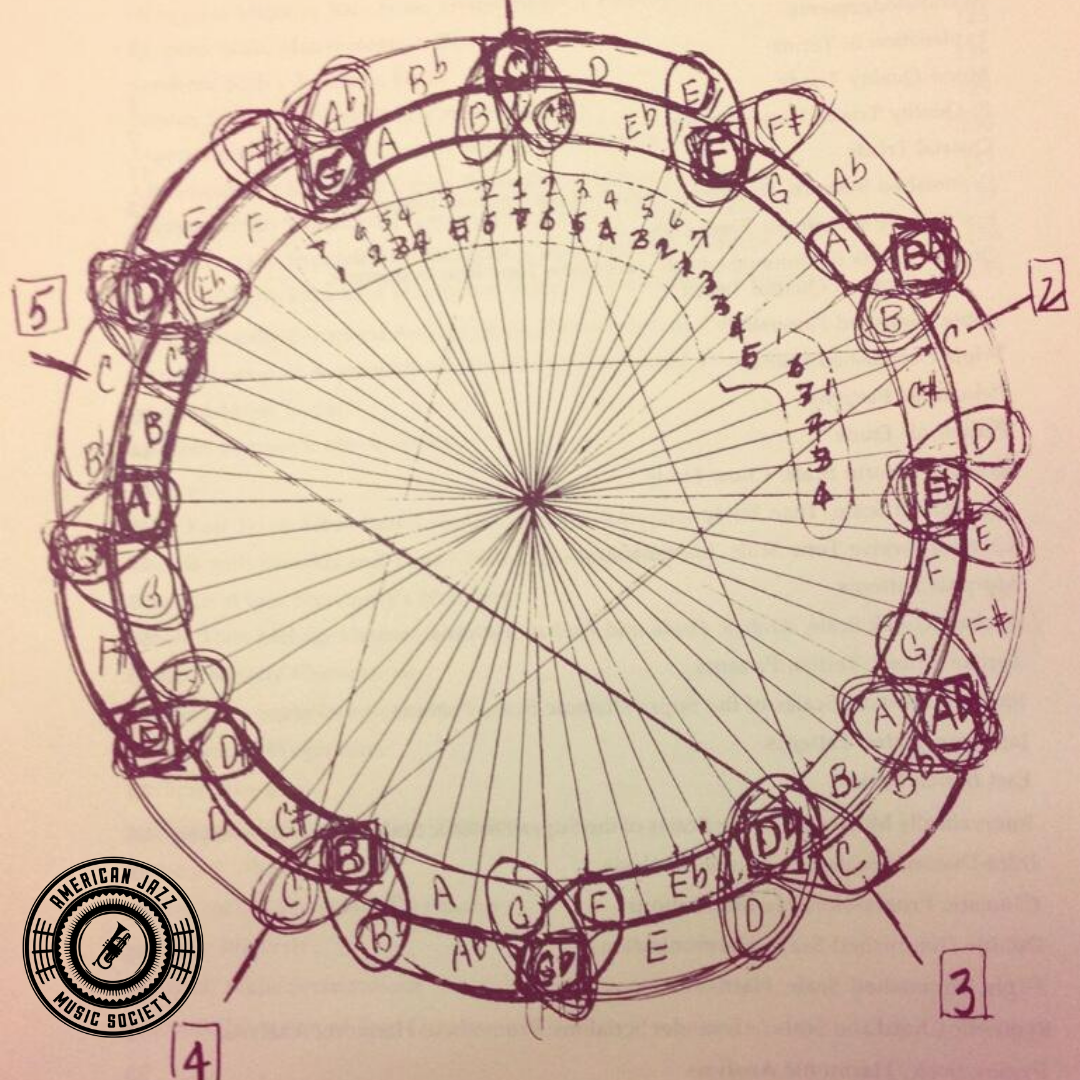
The Mathematical Connections Between John Coltrane's Jazz and Physics
The article explores the connections between physics and jazz through physicist and saxophonist Stephon Alexander's work, particularly his b
 americanjazzmusicsociety.com·1mo ago
Scientific Research Shows Musical Training Enhances Brain Structure and Function
The article explores scientific research showing that musical training, even for amateurs, has significant positive effects on brain structu
 economist.com·2mo ago
From Plant Pathogens to Genome Editors: The Biotechnology Journey of TALEs and TALENs
This article reviews how TALEs (transcription activator-like effectors), originally discovered as bacterial proteins that Xanthomonas pathog
 doi.org·9m ago
Inside the movement of AI successionists who want artificial intelligence to replace humanity
The article explores a fringe but growing movement of AI "successionists" who believe humanity should create an AI so advanced that it would
 vox.com·24m ago
Inside the movement of AI successionists who want artificial intelligence to replace humanity
The article explores a fringe but growing movement of AI "successionists" who believe humanity should create an AI so advanced that it would
vox.com·24m ago