





















New cross-coupling reaction preserves stereochemistry, challenging organic chemistry dogma
By
Bethany Halford

Crackling crust, pillowy middle. The kind of bagel that earns a second cup of coffee.
Summary
A new cross-coupling reaction in organic chemistry challenges the long-held dogma that generating a radical on a chiral carbon inevitably leads to loss of stereochemistry and racemization. The reaction forges bonds between radicals on two sp3 carbons while retaining stereochemistry, because the alkyl-alkyl cross-coupling occurs so rapidly that there is no time for stereochemical scrambling.
Key quotes
· 3 pulledAccording to organic chemistry dogma, if you generate a radical on a chiral carbon, it's going to lose its stereochemistry and racemize.
But a new cross-coupling reaction that forges bonds between radicals on two sp3 carbons retains the stereochemistry.
Alkyl-alkyl cross-coupling is so quick, there's no time for stereochemical scrambling.
You might also wanna read

Understanding Stone-Wales Transformations in Carbon Molecules
The article discusses Stone-Wales transformations in carbon molecules like buckminsterfullerene and graphene, explaining how a 90° rotation
johncarlosbaez.wordpress.com·11mo agoQt45: A small polymerase ribozyme that can synthesize itself


Reflections on 2024 Bio-ML Predictions: Generative Chemistry and Molecular Dynamics Challenges
The article reflects on the author's 2024 predictions about bio-ML (biological machine learning) from a 2026 perspective, focusing on genera
 owlposting.com·5mo ago
The Scientific Concept and Concerns of Mirror Life: Creating Enantiomeric Biological Systems
The article discusses the scientific concept of "mirror life" - creating completely enantiomeric (mirror-image) versions of biological molec
 science.org·8mo ago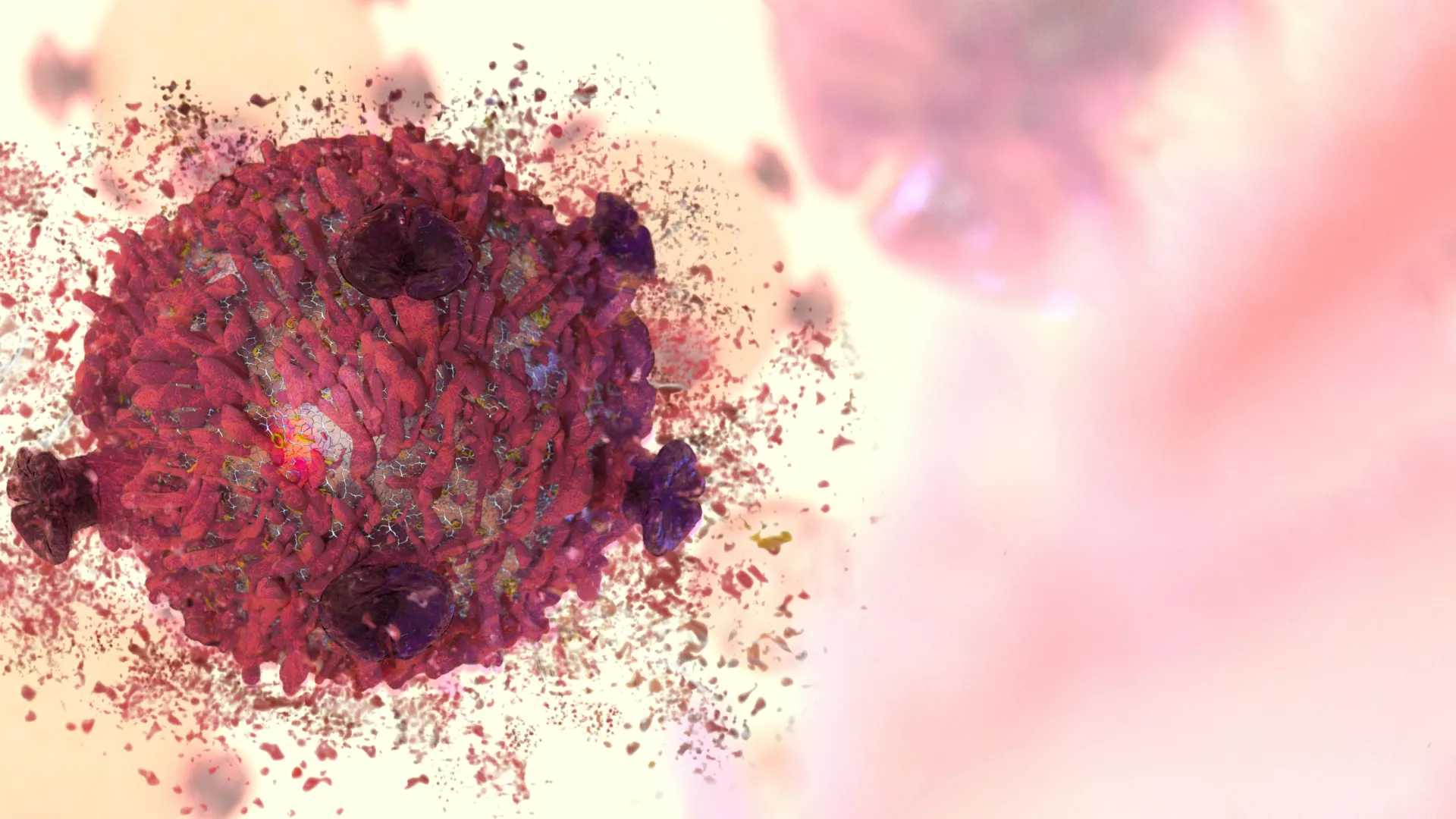
Oregon State University Researchers Develop Iron Nanomaterial That Selectively Destroys Cancer Cells
Researchers at Oregon State University have developed a novel iron-based nanomaterial that targets and destroys cancer cells from within. Th
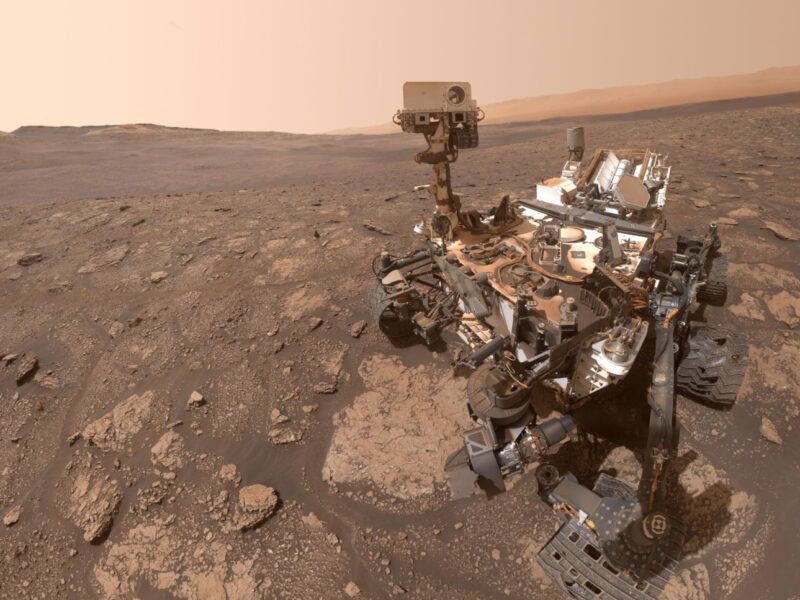
NASA's Curiosity Rover Discovers Organic Compounds on Mars, Including DNA-Related Molecules
NASA's Curiosity rover has discovered more than 20 organic compounds in Martian rock samples from Gale Crater, including nitrogen-bearing mo
 courthousenews.com·1mo ago