





















How Inequality Shapes Recovery from Climate Shocks: Lessons from the LA Wildfires
By
@FisherDanaR

Crackling crust, pillowy middle. The kind of bagel that earns a second cup of coffee.
Summary
This article examines how climate shocks, specifically the January 2025 Palisades and Eaton fires in LA County, are experienced unequally across different populations. The author's research focuses on how social inequality mediates recovery from climate disasters, noting that Latino, non-White, and non-English-speaking populations face higher exposure risk and lower recovery likelihood. The piece argues that climate shocks can motivate social change, but the recovery process is mediated by existing social inequalities.
Key quotes
· 3 pulledLatino, non-White, and non-English-speaking populations fac[e] higher risk of exposure and lower likelihood of recovery.
A lot of my recent research has been focused on understanding how climate shocks motivate social change, and the ways that process works in reality.
the effects of disasters like the LA fires are not experienced equally for all
You might also wanna read

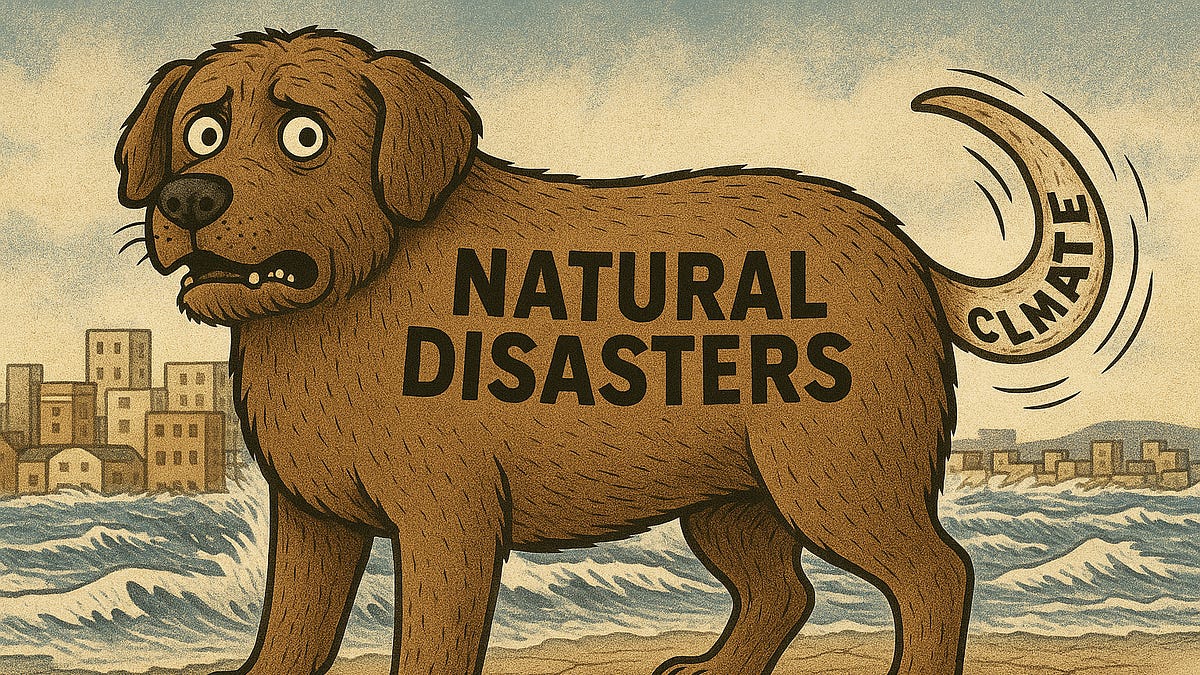
From Climate Catastrophism to Pragmatism: An Evolving Perspective on Climate Risk
The author reflects on his evolution from being a climate catastrophist to adopting a more pragmatic approach to climate change. He acknowle
 breakthroughjournal.org·7mo ago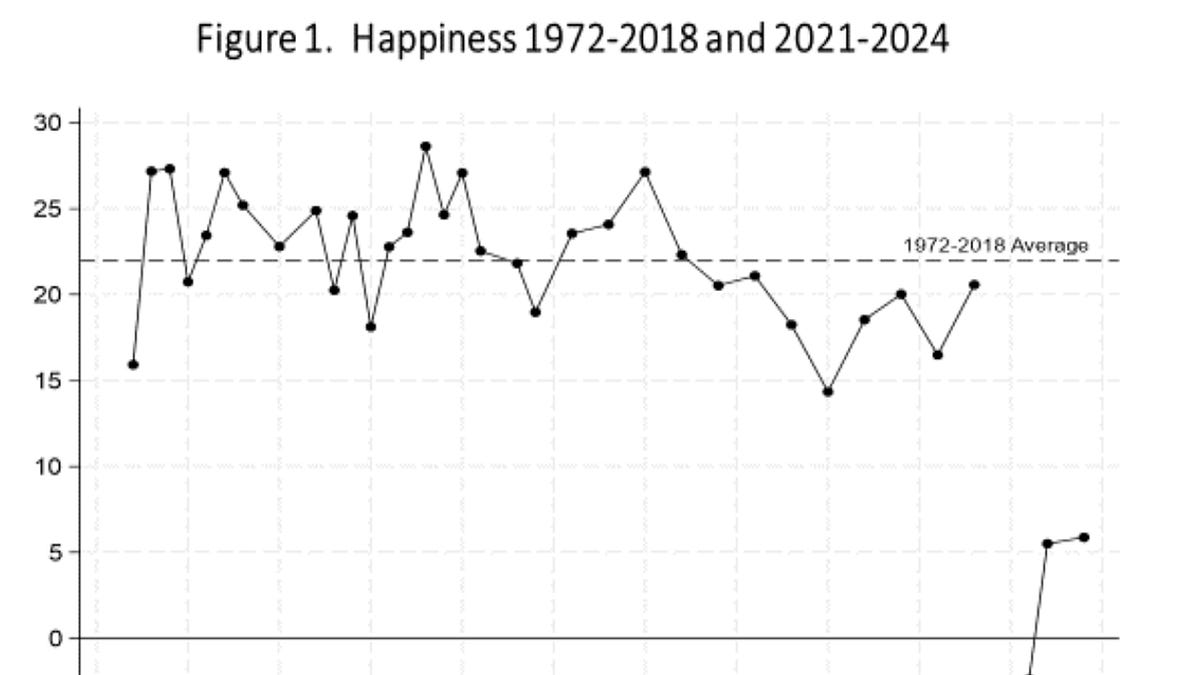
The Post-COVID Happiness Collapse: Why American Well-Being Hasn't Recovered
The article examines a sharp and historically unprecedented decline in American happiness following the COVID-19 pandemic, as documented by
 derekthompson.org·1mo ago
Climate Risks Drive Homeowners Insurance Costs to Crisis Levels in Disaster-Prone Cities
A new housing report reveals that homeowners insurance is becoming increasingly unaffordable in disaster-prone U.S. cities, with climate ris
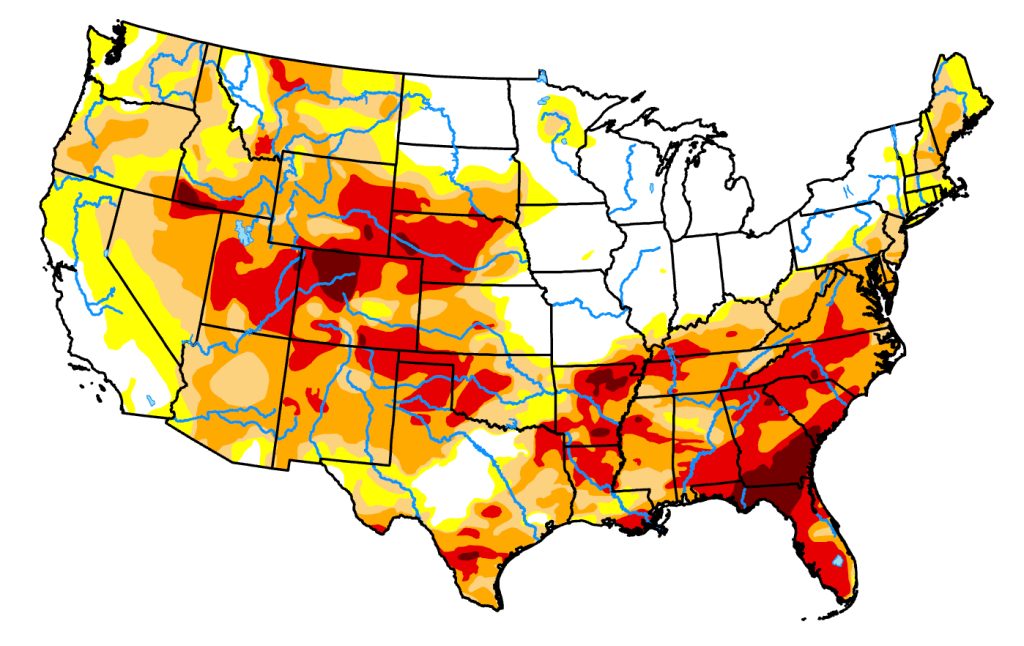
Climatologist: Over 60% of U.S. facing severe drought conditions driven by atypical La Niña
More than 60% of the United States is experiencing drought conditions, with over 20% in extreme drought. Climatologist Andrew Ellis from Vir
 news.vt.edu·29d ago
Civilizational Energy Transition and Contemporary Unrest
The article analyzes the current global unrest and radicalization as consequences of an unprecedented civilizational energy transition that