





















Nairobi OS: A Rust-Based Distributed Data Science Infrastructure for Resource-Constrained Environments
By
kevinkenya

An everything bagel for the brain. Substantive, layered, well-seasoned.
Summary
Nairobi OS is an open-source, high-performance distributed data science infrastructure built with Rust, designed for extreme resource efficiency in constrained environments like Edge, IoT, and Serverless. It leverages kernel-level features (io_uring, memfd, Huge Pages) to achieve sub-millisecond IPC overhead and zero-copy data pipelines. The architecture is based on specialized components connected via D-Bus and shared memory, with a focus on processing massive datasets efficiently.
Key quotes
· 4 pulledNairobi OS is a high-performance, distributed data science infrastructure designed for extreme resource efficiency.
It enables processing of massive datasets in constrained environments (Edge, IoT, Serverless) by leveraging a specialized Rust-based refinery daemon.
By utilizing kernel-level features such as io_uring, memfd, and Huge Pages, Nairobi OS achieves sub-millisecond IPC overhead and zero-copy data pipelines.
Nairobi OS is built on a triad of specialized components connected via D-Bus and shared memory.
You might also wanna read


NumExpr: A Fast Numerical Array Expression Evaluator for Python and NumPy
NumExpr is a fast numerical expression evaluator for NumPy that accelerates array operations (like '3*a+4*b') and reduces memory usage compa
 github.com·12d ago
MLJAR Studio: A Private, Local AI Platform for Data Analysis and Machine Learning
MLJAR Studio is a private, locally-run AI data analysis platform that allows users to interact with their data using natural language, autom
 mljar.com·29d ago
Lightning Rod: Tool for Generating Training Datasets from Real-World Data
Lightning Rod is a tool that enables users to quickly generate training datasets from real-world data sources, particularly public news sour
 Product Hunt·2mo ago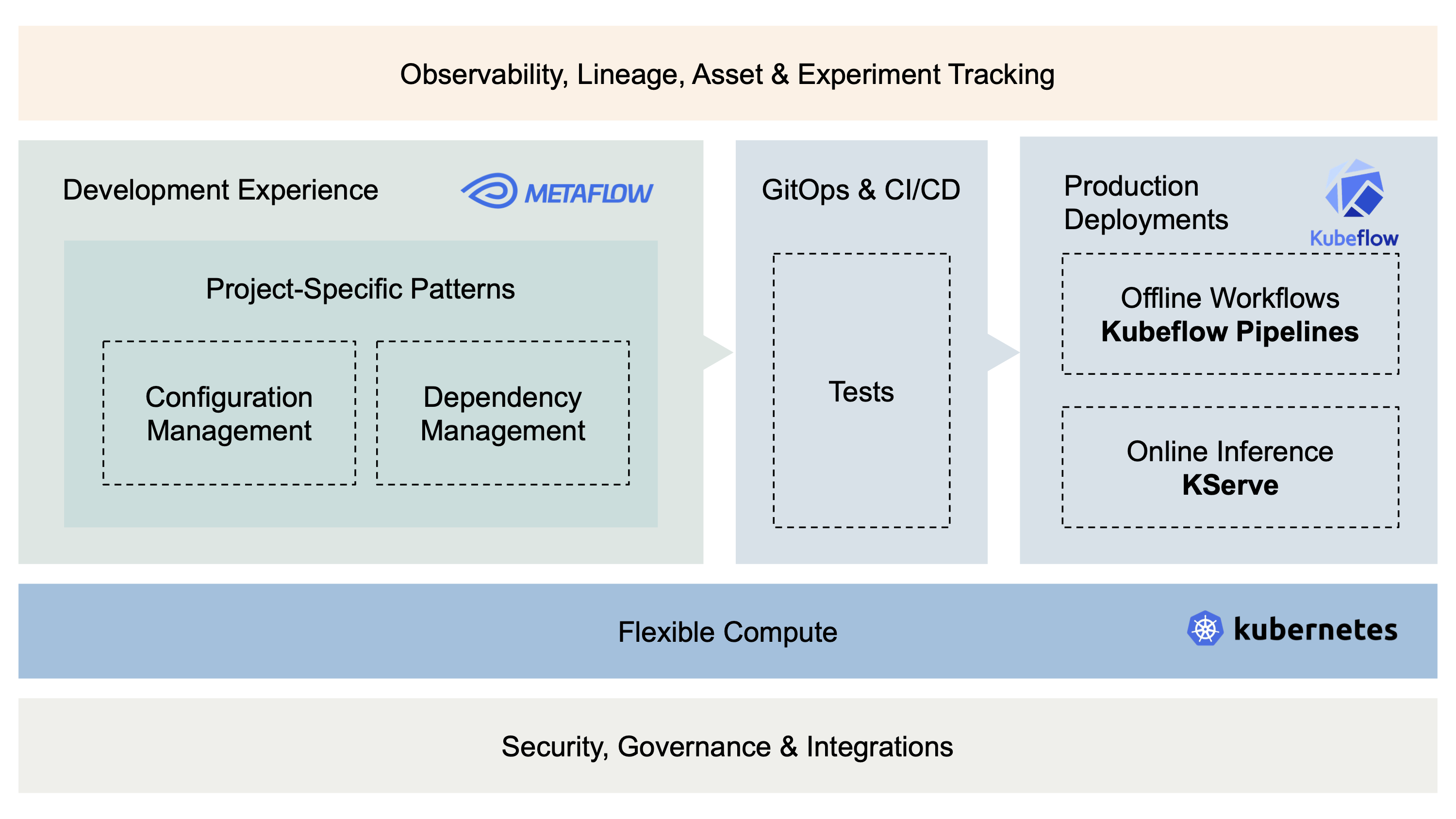
Metaflow and Kubeflow Integration: Combining Data Science Productivity with Scalable ML Infrastructure
The article introduces the integration between Metaflow and Kubeflow, two machine learning workflow frameworks. Metaflow, originally develop
 blog.kubeflow.org·3mo ago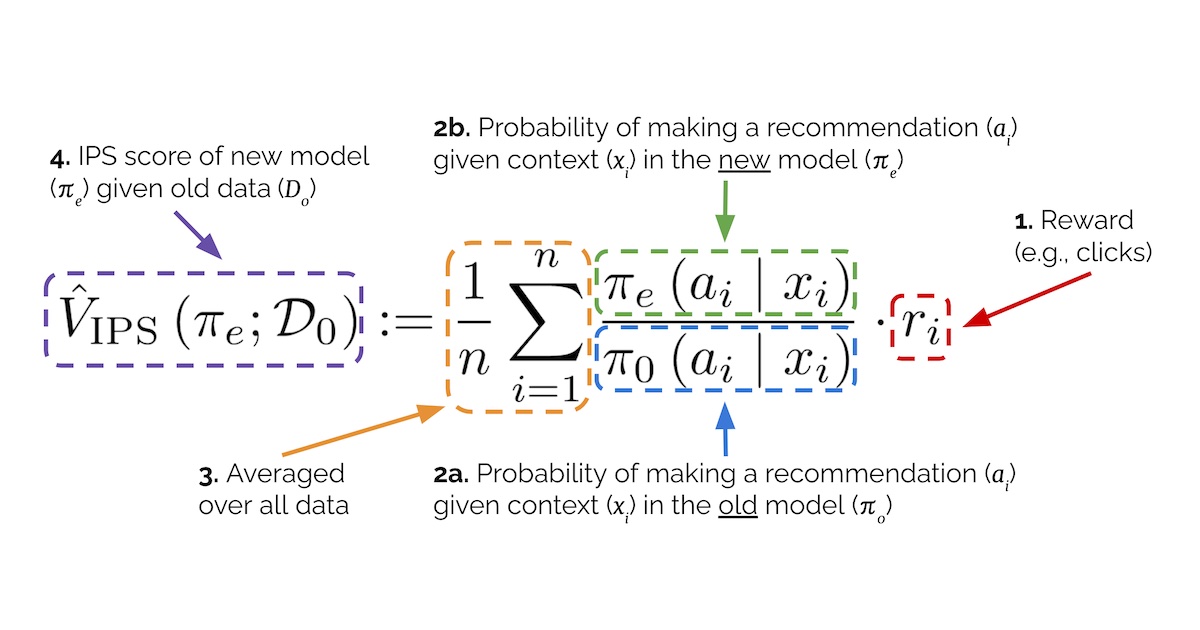
Counterfactual Evaluation Methods for Recommendation Systems: Addressing Causal Effects in Offline Assessment
This article discusses the limitations of traditional offline evaluation methods for recommendation systems, which treat recommendations as
 eugeneyan.com·4mo ago
DuckDB: A Preferred Tool for Data Processing with Simplicity and Speed
The author explains why DuckDB has become their primary tool for data processing, highlighting its simplicity, speed, and powerful features.