





















A Guide to Using Spanish Demonstratives: "Este," "Esta," and More
By
Olivia Thayer

An everything bagel for the brain. Substantive, layered, well-seasoned.
Summary
The article provides a detailed guide on distinguishing and correctly using Spanish demonstratives like "este," "esta," and related words, which often confuse learners. It explains their grammatical roles as adjectives and nouns, emphasizing the importance of gender and number agreement in Spanish.
Key quotes
· 3 pulledMany words look similar in Spanish, especially the words for this, that, these, and those.
Spanish demonstratives are adjectives and nouns, requiring attention to gender and number agreement.
This guide helps learners distinguish and correctly use these commonly confused words.
You might also wanna read


EZFurigana: A Free Tool for Adding Furigana to Japanese Text, PDFs, Images, and Ebooks
EZFurigana is a free tool that automatically adds furigana (hiragana, katakana, or romaji readings) to Japanese text across multiple formats
 ezfurigana.com·2d ago
Top 5 Most Common French Mistakes Early Learners Make (Based on Duolingo Data)
This article analyzes Duolingo data to identify the top 5 most common mistakes made by early French learners. It covers verb conjugation err
 Duolingo·3d ago
Sublern: AI Chrome extension for instant word translation in video subtitles
Sublern is an AI-powered Chrome extension that lets users hover over any word in video subtitles on platforms like YouTube, Netflix, and TED
 Product Hunt·4d ago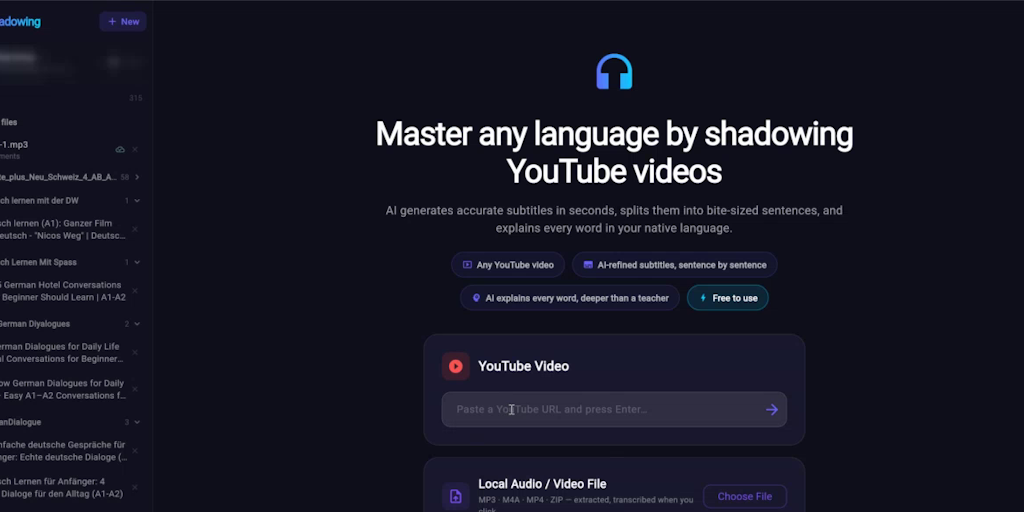
AI Shadowing: A free tool that turns YouTube videos into language learning lessons by looping sentences and explaining grammar
AI Shadowing is a free tool that lets language learners shadow YouTube videos by clicking any sentence to loop it and any word for AI gramma
Product Hunt·9d ago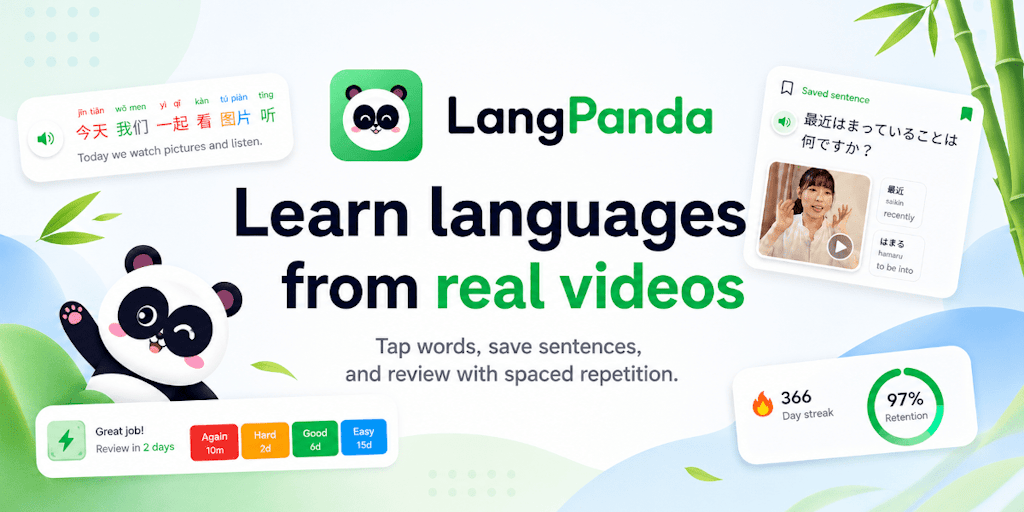
LangPanda: Language Learning Platform Using TV Shows and Movies
LangPanda is a language learning platform that allows users to learn 36 languages by watching their favorite TV shows and movies. It feature
Product Hunt·13d ago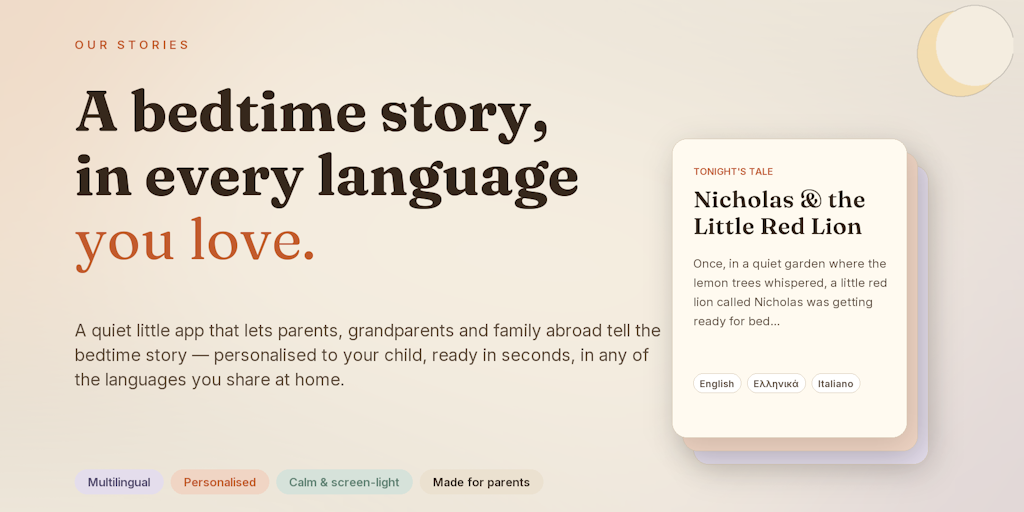
Our Stories: A multilingual storytelling app for bilingual families raising kids abroad
Our Stories is a multilingual storytelling app designed for bilingual families raising children in a language different from the country the
Product Hunt·14d ago