





















BrainGate BCI restores fluent speech to ALS patient for the first time
By
By Space Daily Editorial Team · Editorial process
Summary
A brain-computer interface (BCI) from the BrainGate clinical trial has, for the first time, restored fluent everyday speech to Casey Harrell, a man with ALS who had lost the ability to speak. The small implant translates his neural commands for speech directly into computer-synthesized words, allowing him to communicate for up to twelve hours at a stretch. This breakthrough represents a significant milestone in BCI technology for restoring natural communication to people with paralysis or speech loss.
Source
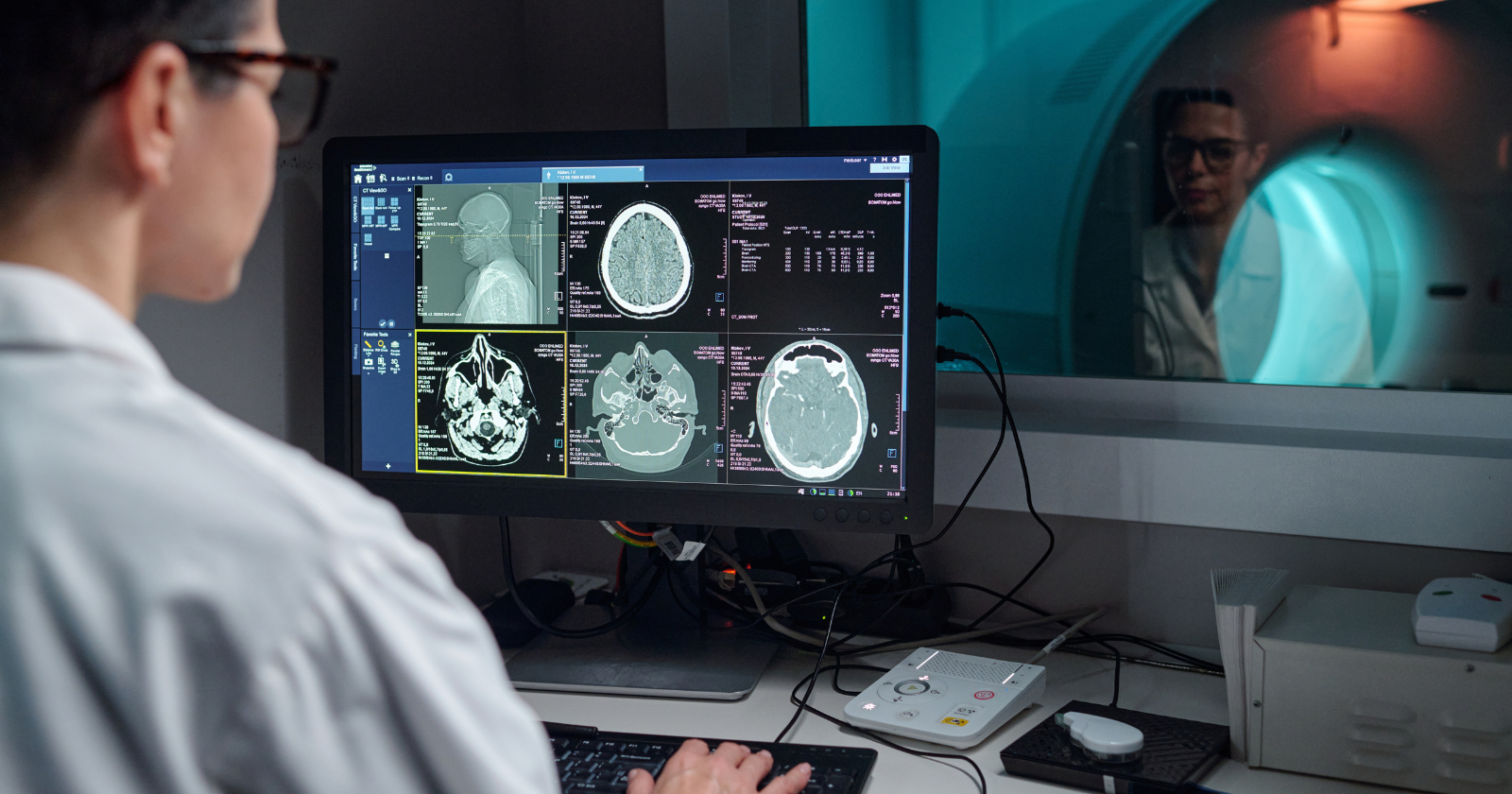
 bskyBrainGate BCI restores fluent speech to ALS patient for the first timespacedaily.com
Key quotes
· 3 pulledCasey Harrell can now talk for twelve hours at a stretch. Two years ago, he could not talk at all.
The ALS he was diagnosed with several years earlier had progressively destroyed the motor neurons controlling the muscles of his face and throat, leaving him with the symptoms doctors call dysarthria and, eventually, anarthria — the inability to speak intelligibly even with substantial effort.
The neural commands his brain was sending toward the muscles of his lips, tongue, jaw, and larynx were intact.
You might also wanna read

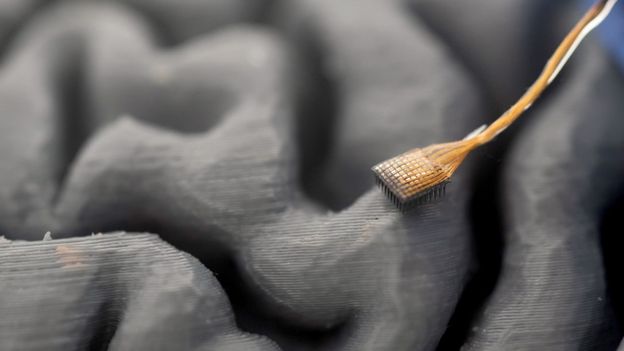
AI Decodes Brain Activity to Help Paralyzed Patients Communicate
Researchers at University of California, Davis are using artificial intelligence to decode brain activity and translate it into speech, part
 bbc.com·3mo ago
Brain Implant Decodes Internal Speech with Password Protection
A brain implant, or brain-computer interface (BCI), can decode a person's internal speech with 74% accuracy, but only when the user thinks o
 nature.com·10mo ago
Living with Nonfluent Aphasia: A Personal Journey After Stroke
A personal narrative about living with nonfluent aphasia after a severe stroke at age 21. The article follows Faye's experience over two dec
 thereader.mitpress.mit.edu·4mo ago
Research Team Collects 10,000 Hours of Neuro-Language Data for Thought-to-Text Models
A research team has collected approximately 10,000 hours of neuro-language data from thousands of individuals over six months, claiming it t
 condu.it·6mo ago
MIT Study: Neural and Behavioral Effects of AI-Assisted Essay Writing Using EEG
This MIT Media Lab study examines the neural and behavioral effects of using AI assistants like ChatGPT for essay writing. Researchers divid
 media.mit.edu·4mo ago
Study finds brain processes complex language during general anesthesia
Baylor College of Medicine researchers have discovered that the human brain can process sophisticated language while under general anesthesi
 BCM·1mo ago