 Culture Latest26m ago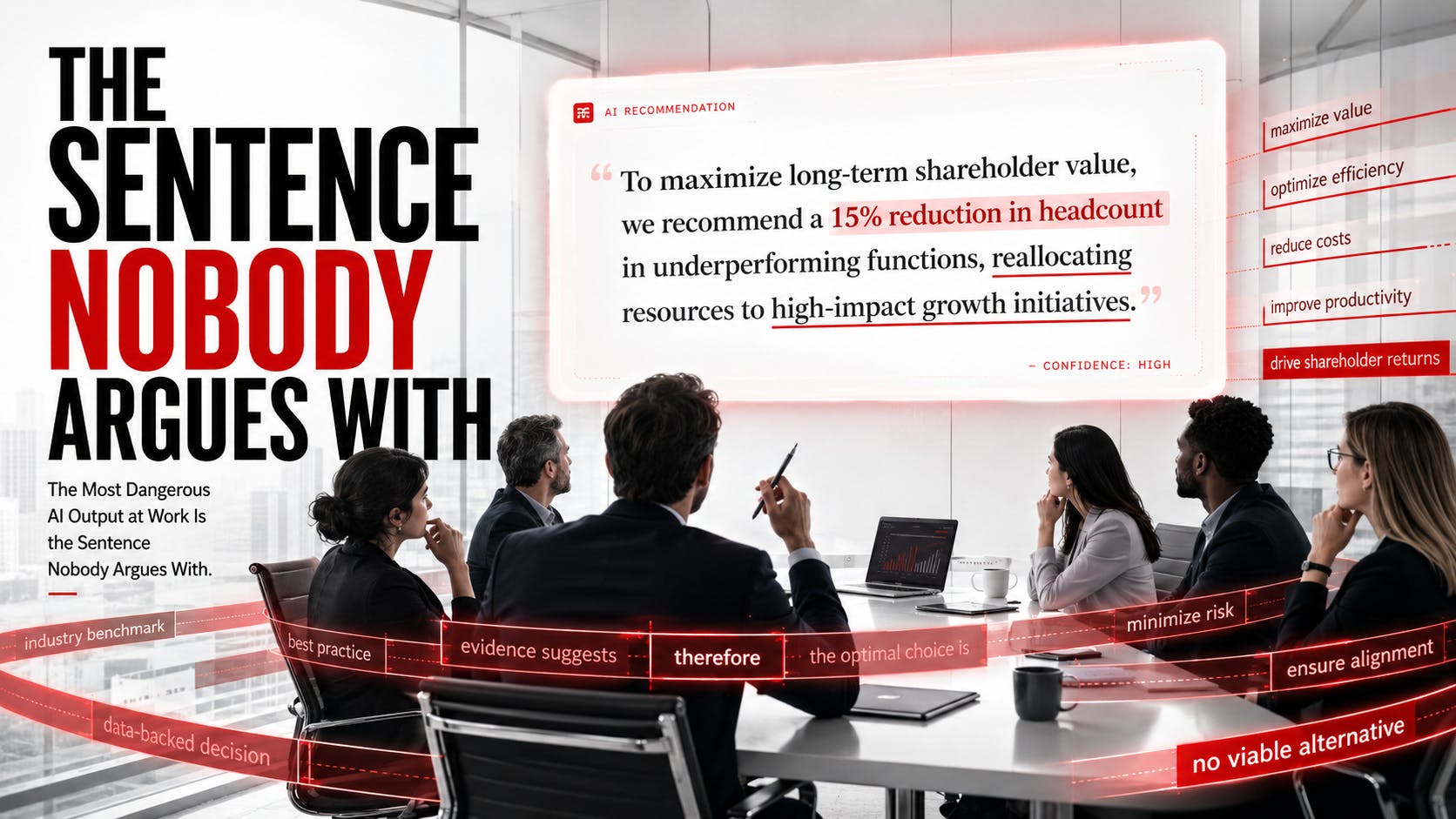
 Shared by @propcazhpm.bsky.social ↗
 Shared by @circleboom.com ↗
 circleboom.com1h ago
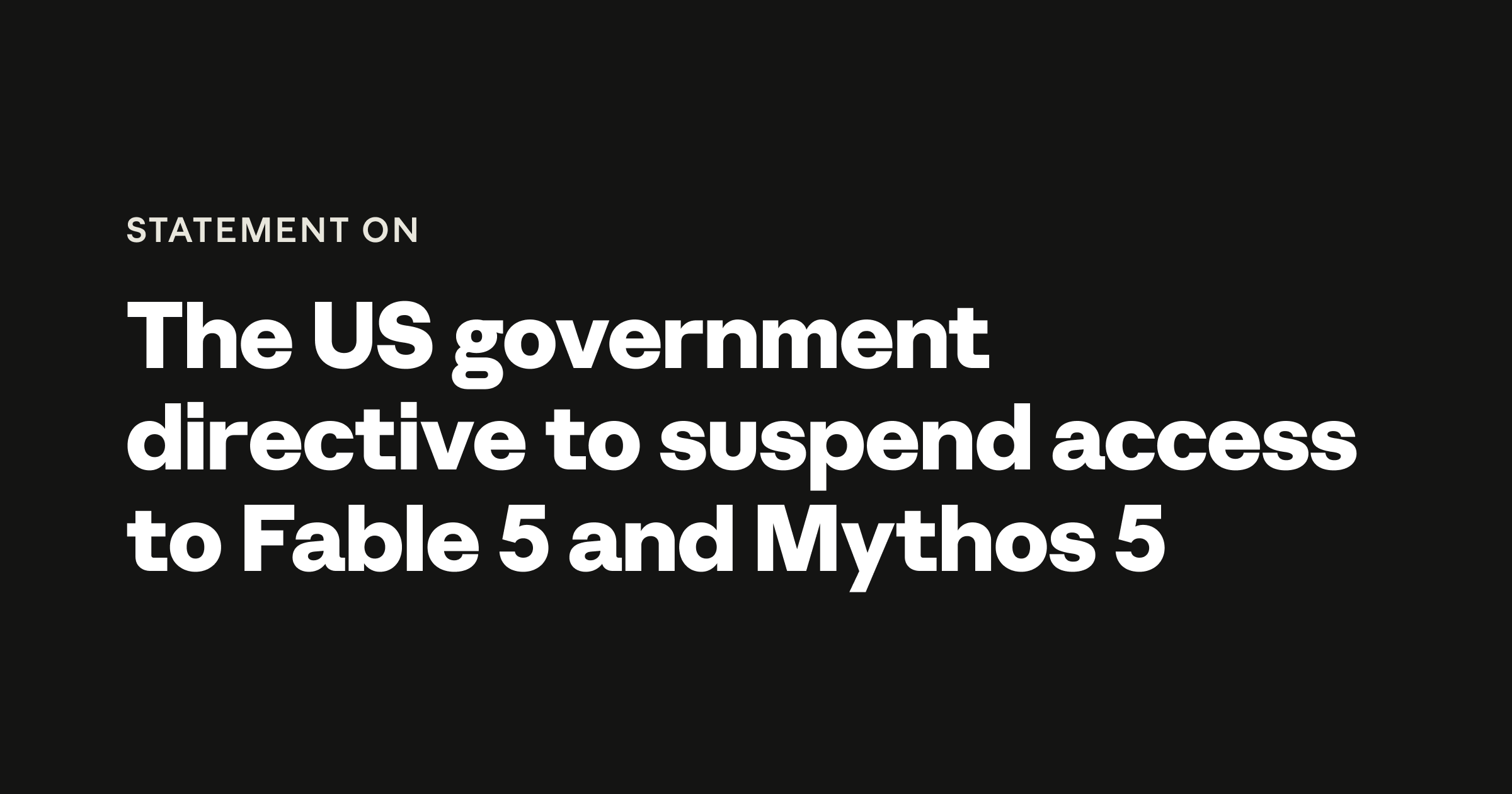
Anthropic has disabled global access to its Fable 5 and Mythos 5 AI models after the U.S. government issued an emergency export control directive under national security authorities, according to Bloomberg and Hacker News. The order, received at 5:21pm ET, bans any foreign national from using the models, including foreign nationals employed by Anthropic, both inside and outside the United States. The company complied by taking both models offline for all customers, while other models remain unaffected. "This represents a major escalation in treating frontier AI systems as sensitive defense assets subject to real-time kill switches." The directive came just three days after Fable 5's public launch, as Le Monde reported, and follows a claim that another company could "jailbreak" the Mythos model, according to Ground News. Anthropic has publicly stated it disagrees with the government's handling of the matter, arguing the identified jailbreaking technique revealed only minor vulnerabilities, Ground News added. The San Diego Union-Tribune noted that Mythos 5 had already been tightly restricted due to cybersecurity concerns, while a limited version of Fable 5 was released widely this week. This marks the U.S. government's most significant step to date in restricting access to advanced AI models, the San Diego Union-Tribune reported. Hacker News described the move as unprecedented, noting it is the first time the U.S. has banned a company's own employees from accessing its technology based on nationality. While the practical impact is limited due to the models' recent release and limited availability, the policy is expected to have significant long-term ripple effects, Hacker News added. Anthropic's compliance with the directive, despite its disagreement, underscores the growing tension between national security concerns and the open development of frontier AI systems. The lack of specific details about the national security concerns behind the order, as reported by Hacker News, leaves the industry and observers questioning the criteria for such interventions.

David Banes examines recent global developments showing that accessibility is transitioning from a niche concern to a core requirement of digital transformation, AI governance, education, and public policy. The article covers assistive technology funding, AI accessibility mandate
 davebanesaccess.medium.com·Tech by Flipboard·1h ago·7 min read
This article is the first in a three-part series on provenance tracking in generative AI systems, focusing on the distinctions between attribution, provenance, reference, citation, and their implications for research applications. It discusses the need for standardization in outp
 scholarlykitchen.sspnet.org·Tech by Flipboard·1h ago·11 min read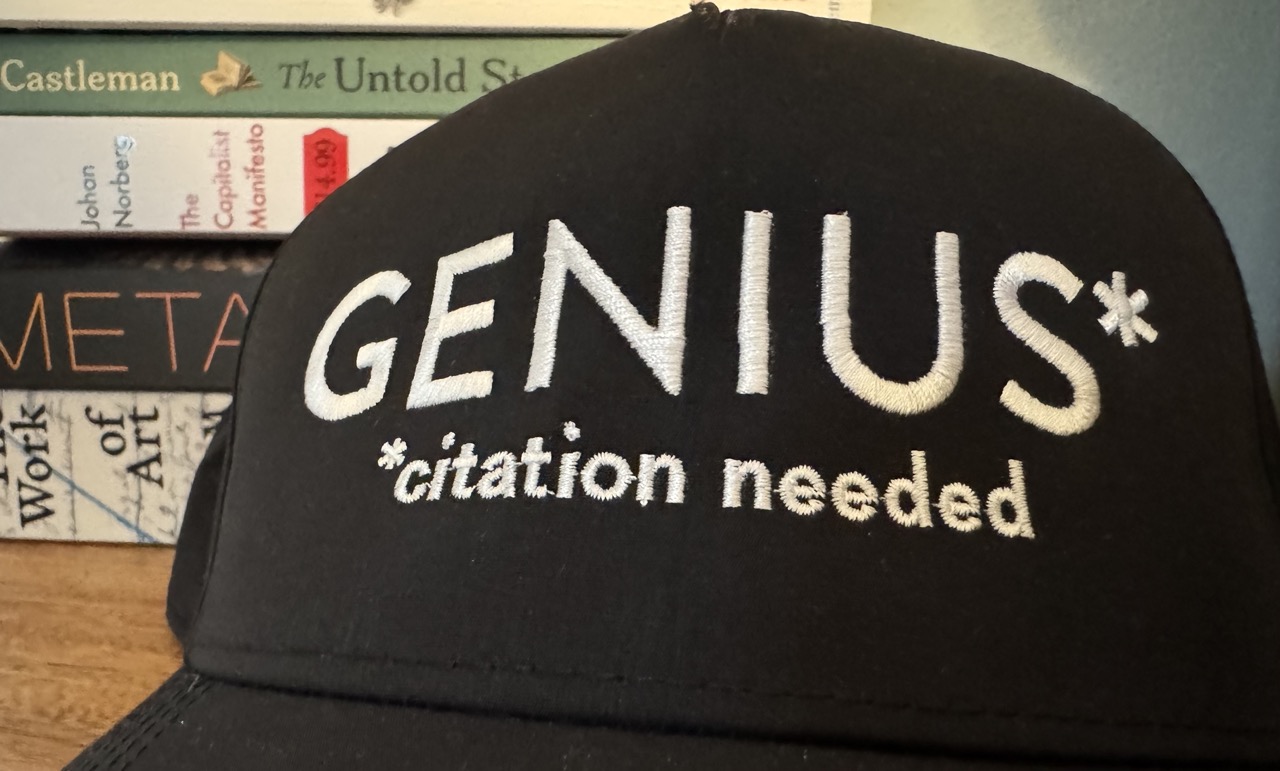

 Shared by @stratheia.bsky.social ↗
 stratheia.com1h ago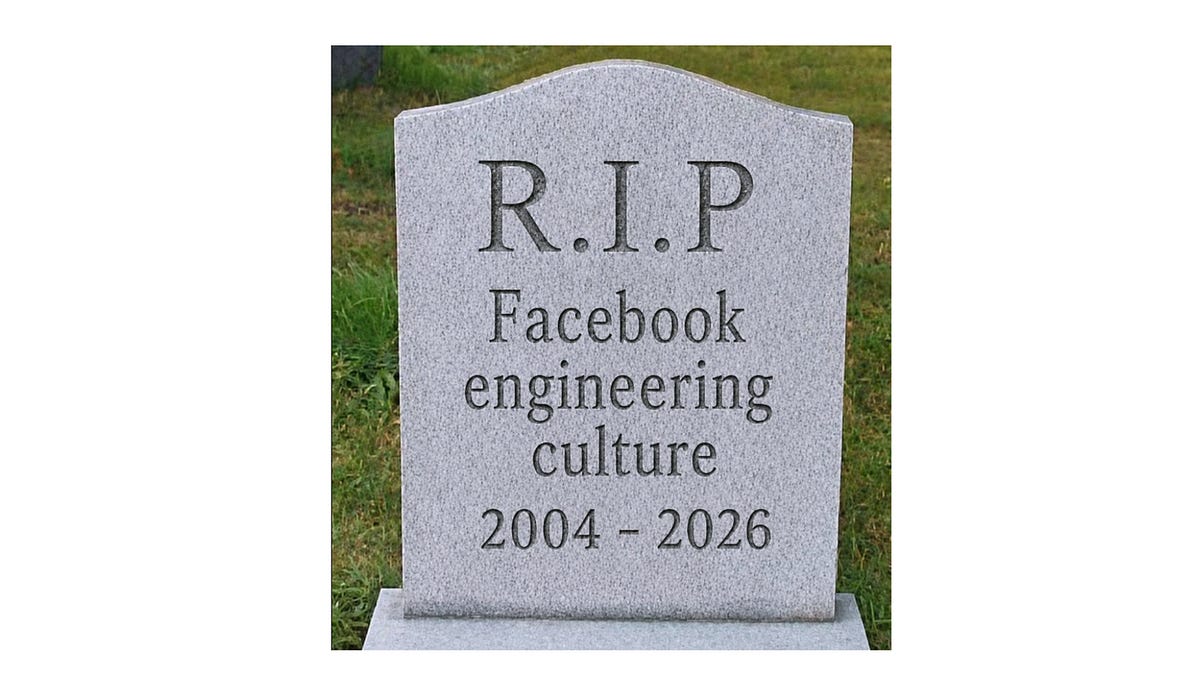
 newsletter.pragmaticengineer.com2h ago
 Shared by @coricrider.com ↗
 ecfr.eu2h ago
 Shared by @techcentral.co.za ↗
 techcentral.co.za2h ago
 Shared by @alanrew.bsky.social ↗
 theguardian.com2h ago
 Shared by @buddhistuniversity.net ↗
 buddhistuniversity.net2h ago
 Shared by @marketwire.bsky.social ↗
 seekingalpha.com2h ago
 Shared by @heiseonlineenglish.bsky.social ↗
 heise.de2h ago
 Shared by @heiseonlineenglish.bsky.social ↗heise.de2h ago
 Shared by @dutchreview.bsky.social ↗
 dutchreview.com2h ago