 Shared by @theregister.com ↗
 theregister.com1h ago
 Shared by @heiseonlineenglish.bsky.social ↗
 heise.de1h ago
 Shared by @secretsandspies.bsky.social ↗
 twz.com1h ago
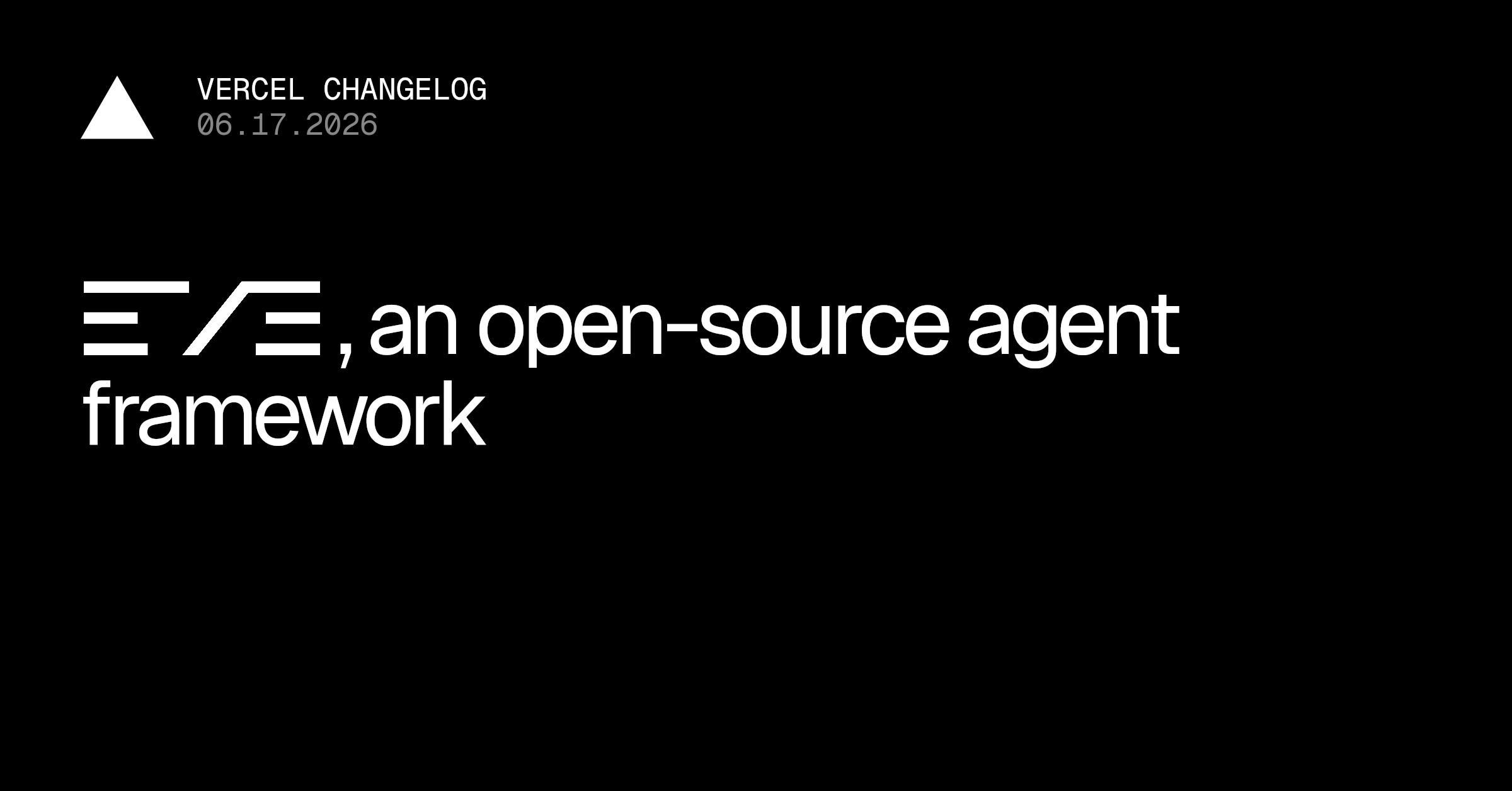
Vercel has launched eve, an open-source framework for building, running, and scaling AI agents, now available in public preview. The framework aims to simplify agent development by treating an agent as a simple directory of files, with the smallest agent requiring just two files: a model and instructions. Adding tools, skills, channels, or schedules is done by adding files, which eve automatically wires in at build time without boilerplate, according to Vercel. "Adding tools, skills, channels, or schedules is done by adding files, which eve automatically wires in at build time without boilerplate." This file-based approach is designed to eliminate the need for developers to hand-roll common infrastructure. Vercel reported that users can scaffold and start a new agent with a single command that installs dependencies, scaffolds the project, and starts a dev server, making the initial setup process straightforward. The framework includes built-in features like durable execution, sandboxed compute, approvals, channels, tracing, and evals. Vercel draws a parallel to how Next.js standardized web development, positioning eve as a similar standardizing force for agent development. By providing these capabilities out of the box, the company aims to reduce the complexity of building production-ready AI agents. "It draws a parallel to how Next.js standardized web development, positioning eve as a similar standardizing force for agent development." With eve, Vercel is targeting developers who want to focus on agent logic rather than infrastructure setup. The framework's open-source nature and public preview status invite community experimentation and feedback, potentially accelerating adoption among teams building AI-powered applications.
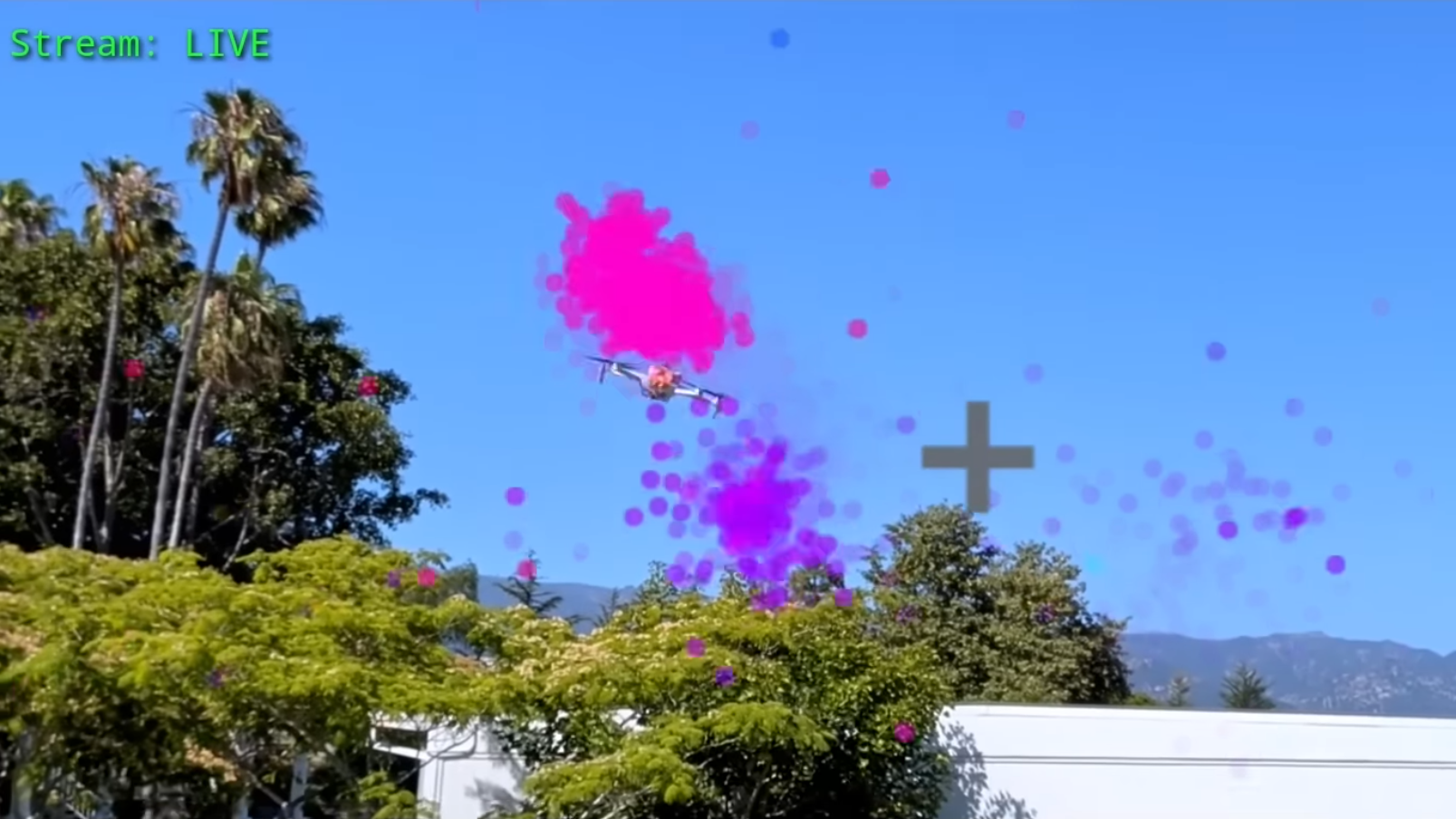
The QuadRF project is an open-source, phase-coherent four-channel software-defined radio (SDR) designed to make radio direction finding accessible to hobbyists and hackers. By measuring phase differences between antennas to calculate the angle of arrival of radio signals, the sys
 hackaday.com·Tech by Flipboard·1h ago·3 min read
The article describes an investigative journalist's discovery of a second vote.gov website that is registered to the White House, uncovered while exploring the TrumpRx federal drug pricing website. The investigation traces connections between government websites, domain registrat
 thedreydossier.substack.com·Tech by Flipboard·1h ago·18 min read

 Shared by @kmrandall64.bsky.social ↗
 goodgoodgood.co1h ago
 Shared by @mrspig.bsky.social ↗
 you.38degrees.org.uk1h ago
 Shared by @tedichasse.bsky.social ↗
 tomshardware.com1h ago
 mitchivin.com1h ago
 Shared by @shieldforge.xyz ↗
Google's World Cup 2026 search widget is displaying incorrect national flags for several countries — Norway gets Belgium's flag, England gets France's. The article explains how to reproduce the bug and discusses likely causes (such as data mapping errors or caching issues) and why accurate flag representation matters for user trust and experience.

 Shared by @techcrunch.com ↗
 techcrunch.com2h ago
 Shared by @cambridgeshirelive.bsky.social ↗
 cambridge-news.co.uk2h ago
 Shared by @liteagent.bsky.social ↗
 firefox.com2h ago
 Shared by @aussienews.bsky.social ↗
 theage.com.au2h ago