





















wolfIP: Lightweight TCP/IP Stack for Embedded Systems with No Dynamic Memory Allocations
By
789c789c789c

Crackling crust, pillowy middle. The kind of bagel that earns a second cup of coffee.
Summary
wolfIP is a lightweight TCP/IP stack designed for resource-constrained embedded systems that operates without dynamic memory allocations. It supports both endpoint-only mode and full multi-interface configurations with optional IP forwarding. The stack implements core networking protocols including Ethernet II, ARP, and IPv4, following relevant RFC standards for embedded applications.
Key quotes
· 4 pulledwolfIP is a TCP/IP stack with no dynamic memory allocations, designed to be used in resource-constrained embedded systems.
wolfIP supports both endpoint-only mode and full multi-interface support with optional IP forwarding.
By default, it operates as a network endpoint, but can be configured to forward traffic between multiple network interfaces.
Protocols and RFCs: Data Link - Ethernet II (Frame encapsulation, IEEE 802.3), ARP (Address resolution, request/reply, RFC 826), Network - IPv4 (Datagram deliver).
You might also wanna read

wolfCOSE: A Lightweight COSE + CBOR Library for Embedded Systems with PQC and FIPS 140-3 Support
wolfCOSE is a lightweight C library implementing CBOR (RFC 8949) and COSE (RFC 9052/9053) for embedded systems, using wolfSSL as the crypto
 github.com·1d ago
BGP Lab Project Expanded to Include Full IPv6 Feed
The author extends their BGP lab project to support full IPv6 feeds, following requests from readers who previously received IPv4 BGP feeds.
lukasz.bromirski.net·2d ago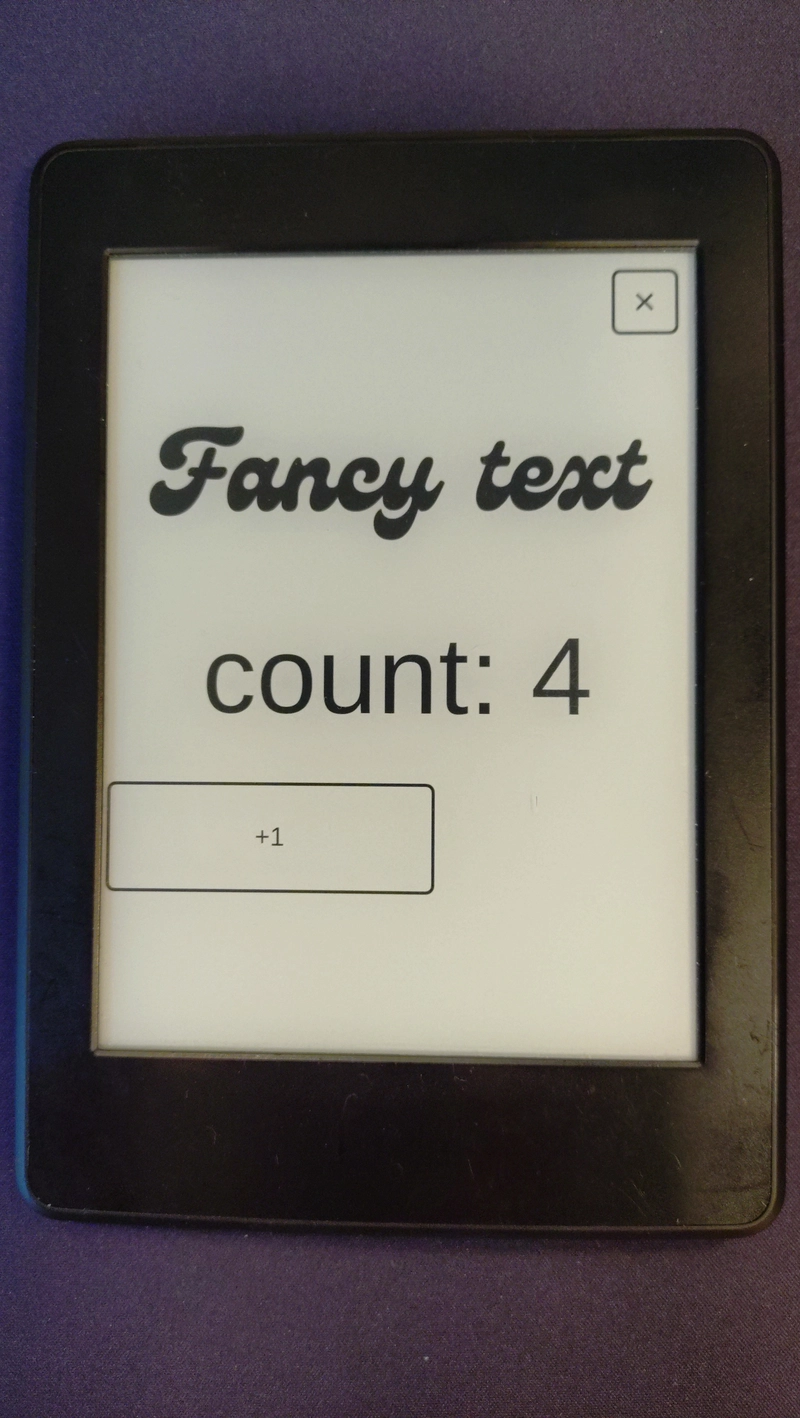
Running Rust and Slint on a Jailbroken Kindle Paperwhite
A developer jailbreaks their 7th generation Kindle Paperwhite to use it as a nightstand clock, then explores running Rust (and Slint) on the
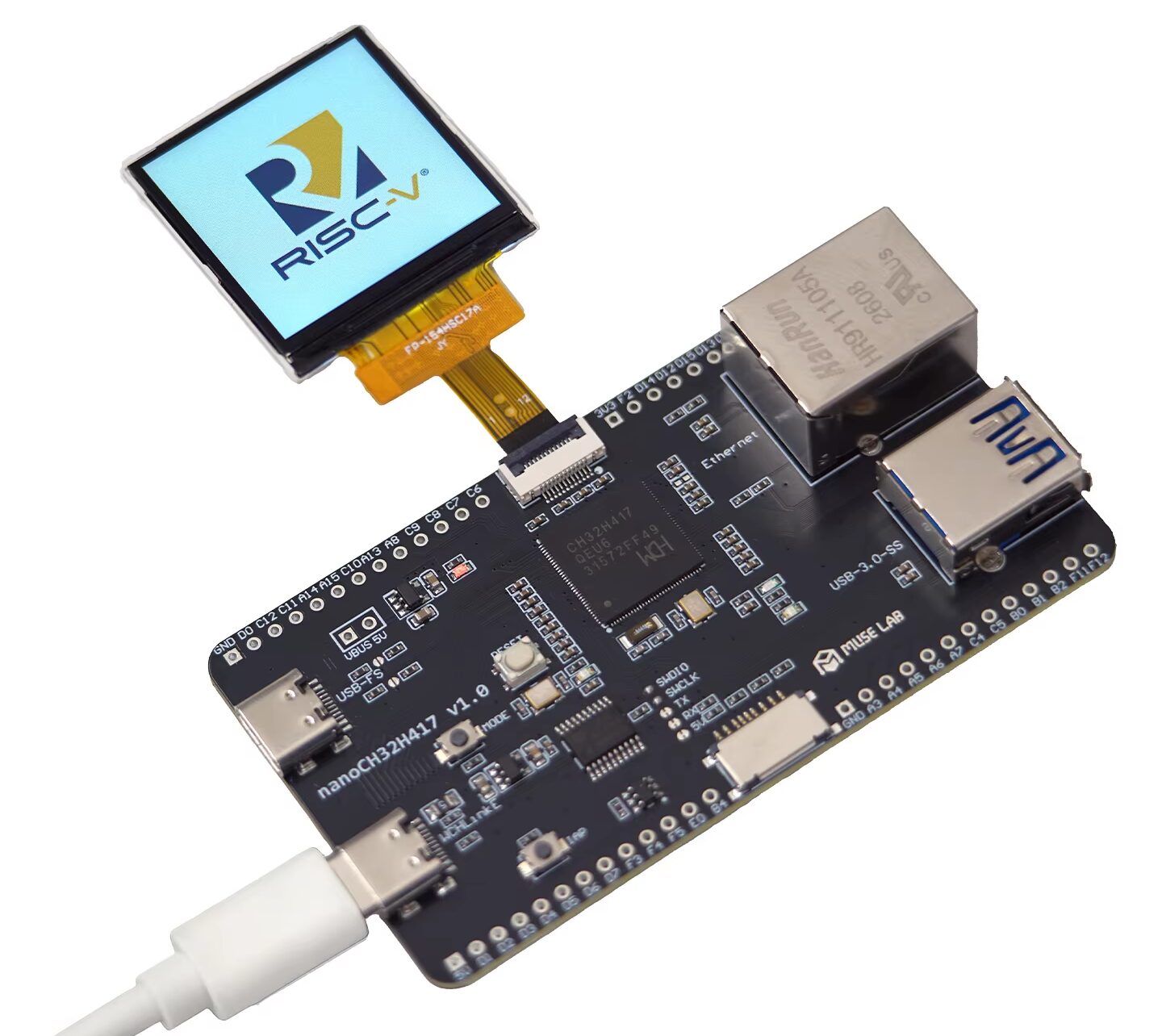
MuseLab nanoCH32H417: $17 RISC-V MCU Board with USB 3.0 and Fast Ethernet
MuseLab has released the nanoCH32H417, a third-party development board for the WCH CH32H417 dual-core RISC-V MCU. Priced at $17, the board f
 cnx-software.com·4d ago
Whosthere: A Go-based LAN discovery tool with interactive TUI for unprivileged network scanning
Whosthere is a Go-based Local Area Network (LAN) discovery tool with an interactive Terminal User Interface (TUI). It performs unprivileged,
 Product Hunt·10d ago
Flipper One Technical Documentation: Hardware, Software, and Testing Guide
This is technical documentation for the Flipper One device, covering hardware specifications (power subsystem, Wi-Fi/Bluetooth, M.2 port, GP