





















How high-bandwidth memory became a critical bottleneck for AI chip performance
By
Ramin Skibba

Master baker tier. Every paragraph earns its place on the tray.
Summary
The article examines how high-bandwidth memory (HBM) chips, particularly those made by Micron Technology, have become a critical bottleneck and sought-after component in the AI hardware boom. As AI chips like GPUs require massive data throughput, HBM has emerged as an essential but constrained resource, driving demand that briefly pushed Micron's valuation past $1 trillion. The piece explores the technical challenges, market dynamics, and supply chain issues surrounding memory in the AI era.
Key quotes
· 3 pulledFor decades, Micron Technology made one of computing's less glamorous essentials: memory chips. Then the artificial intelligence boom made that hardware one of the industry's most sought-after components.
High-bandwidth memory keeps powerful AI chips fed with data, and demand for it helped Boise-based Micron briefly top $1 trillion.
The AI boom has a memory problem
You might also wanna read

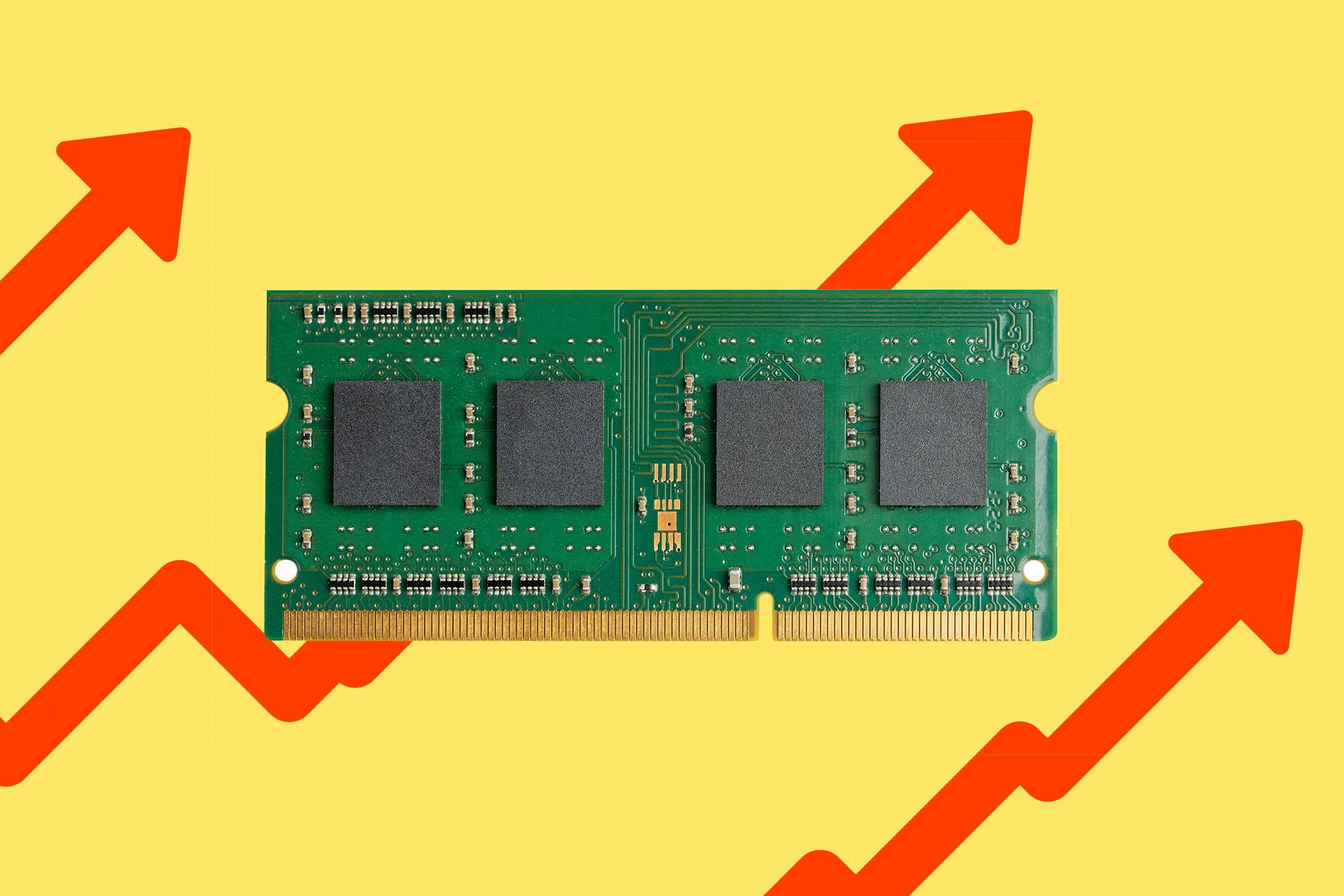
AI Industry Demand Drives RAM Price Increases and Global Memory Shortage
The article discusses how the global memory shortage is causing RAM price spikes, primarily driven by AI industry demand. Memory suppliers a
 The Verge·4mo ago
AI Boom Creates Memory Chip Shortage, May Drive Up Electronics Prices
The article discusses how the explosive growth of AI and cloud computing has created a severe shortage of memory chips, leading to supply-de
 npr.org·5mo ago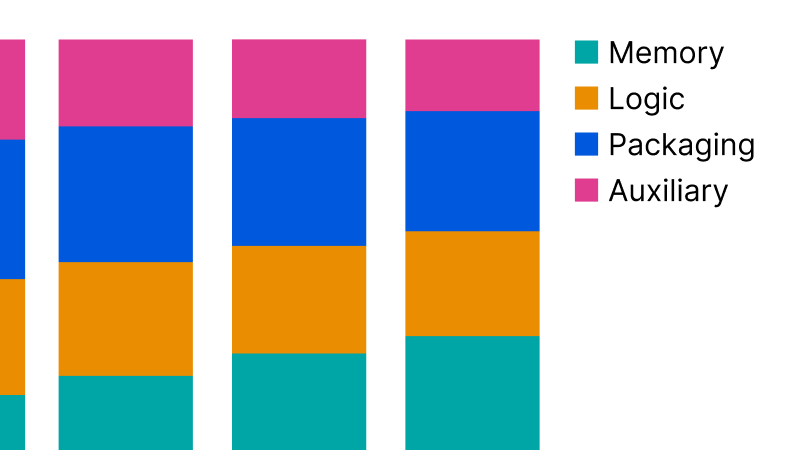
HBM Memory Now Accounts for 63% of AI Chip Component Costs, Epoch Analysis Shows
Epoch AI's analysis reveals that high-bandwidth memory (HBM) now accounts for 63% of AI chip component costs, up from 52% in Q1 2024. The br
 epoch.ai·7d ago
DDR5 RAM Prices Surge 156% in Three Weeks Due to AI Industry Demand and Supply Constraints
The article discusses the dramatic price surge in DDR5 RAM memory, attributing it to AI industry demand and supply chain issues. The author
 mooreslawisdead.com·5mo ago
AI Demand Drives Server DRAM Shortages: Prices Up 50%, Order Fulfillment at 70%
Server DRAM prices have surged up to 50% in Q4 as AI-driven demand creates severe memory shortages, with major U.S. and Chinese hyperscalers
 tomshardware.com·6mo ago
RAM Prices Soar Due to AI Boom, Samsung Refuses Internal Memory Orders
The article discusses the dramatic price increases in computer memory (RAM) due to supply constraints from the AI boom, creating an economic
 pcworld.com·5mo ago